

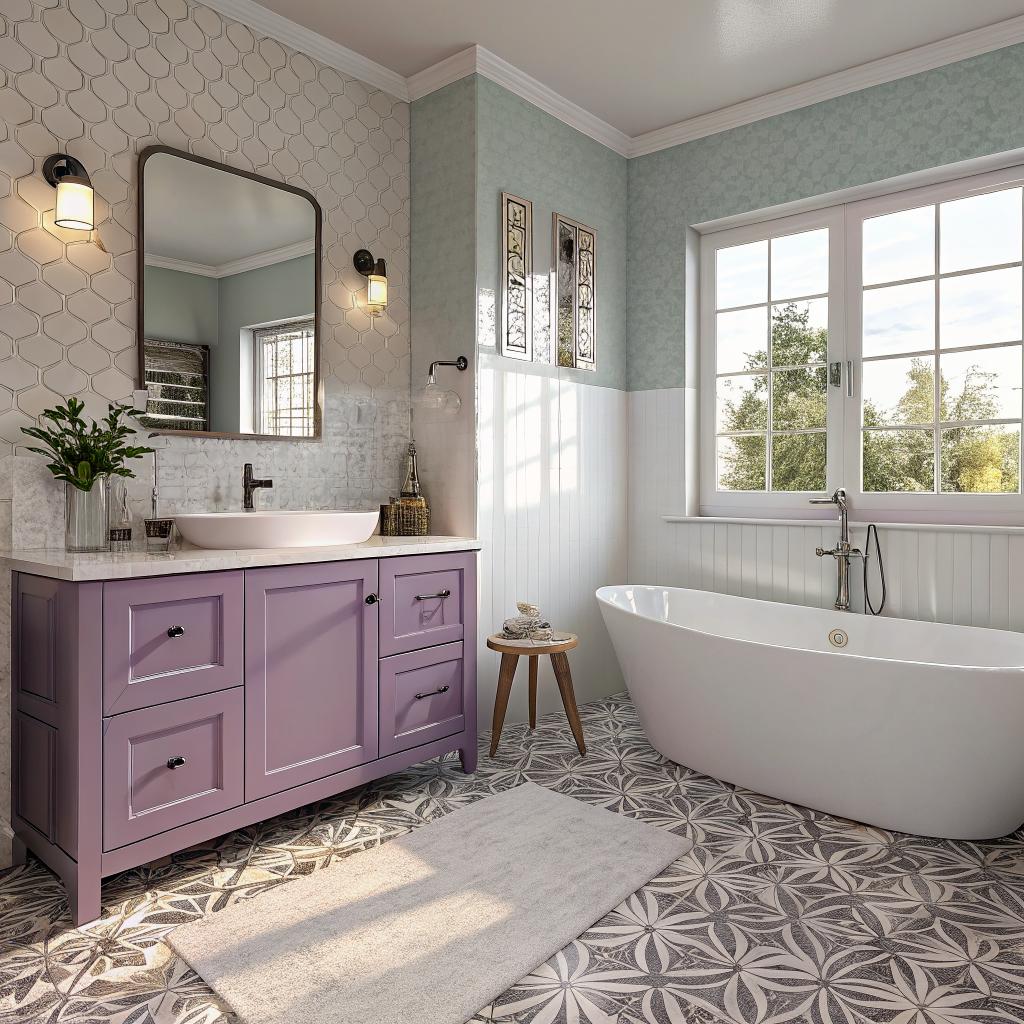
What if I told you that the safest place in your home to show off your retro gadgets is actually your bathroom? Not the office shelf, not a glass case in the living room. The bathroom. Sounds wrong at first, but it makes sense when you think about it: you are in there every day, you have time to notice details, and small tech pieces feel more like part of your routine than an exhibition.
If you want the quick version: a good bathroom remodel Corpus Christi for a retro tech lover means combining moisture safe materials, simple wiring for old style gadgets, smart storage for cables and cartridges, and a visual style that nods to analog gear without turning the room into a cluttered museum. You build a solid modern shell with proper plumbing and ventilation, then layer in your nostalgia: tile patterns that hint at pixel art, framed circuit boards, a Bluetooth speaker hidden in a vintage radio shell, maybe a built in charging nook for your handhelds. The tech and the tiles both matter, but the boring things like vent fans and GFCI outlets matter even more.
That is the short answer. The longer one is more interesting, at least to me, because it sits at that strange crossing point where nostalgia and daily life meet. This is less about “theme bathrooms” and more about how someone who likes old hardware can live with it without trashing it, or the house, or both.
Why a retro tech bathroom is not as strange as it sounds
If you care about old devices, you already know the drill: dust, sunlight, and random spills are the enemy. The bathroom adds steam, sudden changes in temperature, and the risk of water where it should not be. On paper, it looks like the worst room for collectibles.
But the bathroom has a few hidden advantages.
You spend short, frequent bursts of time there. You notice small details. You interact with built in features like lighting, controls, cabinet doors, mirrors. You tap things, twist knobs, press switches. If you hide a bit of tech love in those moments, it feels oddly personal. Like an Easter egg in your own house.
Also, Corpus Christi has its own issue: humidity inside and out. The Gulf does not care that your PowerBook or Walkman is “vintage.” So the question is not “Can I bring my retro tech into the bathroom?” The real question is “How do I build a bathroom that respects old tech as much as new plumbing?”
If you are serious about nostalgia and hardware, your remodel is less about making a cool Pinterest photo and more about controlling moisture, power, and light so your retro gear actually survives.
That is the part that most mood boards skip. Tiles are easy to picture. Corroded contacts inside a Game Boy, not so much.
Start with the shell: materials, moisture, and power
Before you even think about embedding an analog meter into the vanity, the basic room has to work. Think of it as the “OS” your retro tech bathroom will run on.
Humidity control is non-negotiable
Corpus Christi air likes to hang around. Hot baths and showers only add to that. For someone who owns old electronics, that is a real risk, even if you think you will keep most of it outside the room.
A few practical decisions:
- Real ventilation fan with enough CFM for the room size, vented outside, not into an attic.
- Timer or humidity sensor so the fan runs long enough after each shower to clear the steam.
- Moisture tolerant drywall or cement board in the right zones to keep mold from creeping into walls.
- Gaps and seals around can lights, fans, and wall penetrations to stop condensation from simply moving somewhere else.
You are not doing this only to save the walls. You are doing it because the less your bathroom swings between sauna and fridge, the safer anything with circuits near it will be.
If the remodel plan does not start with ventilation and moisture control, it is not a retro tech bathroom. It is just a slow corrosion chamber with nice tile.
That sounds harsh, but it saves you money later.
Power where you actually need it
Retro tech lovers tend to underestimate outlets. We think “I only need one for my electric toothbrush” and forget the Bluetooth speaker, the razor, the tablet on the counter playing synthwave, the rechargeable shaver, the hair dryer, and whatever gadget we are testing that week.
For a remodel that respects your future self:
- Plan more GFCI protected outlets than you think you need.
- Place them at different heights, not just above the vanity. For example, one near a shelf that might hold a speaker or small screen.
- Consider outlets hidden inside vanity drawers or cabinets for charging gadgets out of sight.
- Talk with your electrician about any dedicated circuits if you plan lighting or integrated devices that pull more power.
None of this is glamorous, but it lets you experiment later without extension cords snaking around a wet floor. Nobody wants that.
Surface choices that respect gadgets and daily use
You do not need exotic materials. You just need surfaces that play well with both water and electronics.
| Area | Retro-friendly choice | Why it helps |
|---|---|---|
| Countertop | Quartz or solid surface in light, matte finish | Less glare on small screens, easy to clean around cables and devices |
| Floor | Porcelain tile with slight texture | Handles humidity, safer if you are carrying electronics, less slipping |
| Walls | Tile around wet zones, high quality paint elsewhere | Controlled moisture means safer environment for any mounted tech art |
| Shower niche | Tiled niche with pitched bottom | Holds speakers or waterproof devices without pooling water underneath |
You can go wilder on looks later. The structure stays simple.
Visual nostalgia: tile, colors, and small nods to older tech
You do not need to plaster the walls with floppy disks to make this work. A bathroom is a small space. Subtlety does more.
Tile that feels a bit like pixels
If you enjoy old games or early computer graphics, the grid of tile is already halfway there.
Some options that balance daily life and nostalgia:
- Small square tiles in a simple grid pattern that hint at low resolution screens.
- Two or three tone mosaics that echo classic UI color schemes, like off white with muted teal and charcoal.
- Contrasting grout to make the “pixel grid” visible without screaming it.
You do not have to go full 8 bit Mario. A shower floor that looks a bit like an old game map is enough for your brain to make the connection, especially if you know it is there.
Color palettes that gently recall old hardware
Think about the devices you love. Not the screen, but the cases.
Some popular retro tech references:
- Beige and warm gray from early home computers.
- Black and silver from tape decks and stereo receivers.
- Soft greens and oranges from old indicator lights.
You can pull these into:
- Vanity color (a soft off white instead of a bright one).
- Accent walls in a muted green or warm gray.
- Metal finishes for faucets and hardware, like brushed nickel that feels a bit like a brushed aluminum faceplate.
None of this has to be exact. The goal is a hint, not a cosplay bathroom.
Fixtures that feel analog
If you like the ritual of flipping a real switch instead of tapping a screen, you can bring that into your bathroom too.
- Use toggle or rocker switches with a simple, tactile feel.
- Pick knobs and handles that echo old amplifier or radio controls, round with a bit of texture.
- Consider exposed screw details on fixtures, similar to old gear, instead of ultra smooth minimal hardware.
The more physical your controls feel, the closer the room gets to that calm, “I control the machine” mood that old tech can give.
Some people find this silly. Others find it strangely comforting.
Bringing tech into the bathroom without ruining it
Now the harder part: tech in a wet room. You probably already know that water and electronics are not friends. So the question is how to add function and nostalgia while keeping the repair bills low.
Audio is the safest entry point
Sound lasts. Many of us remember a certain speaker crackle or tape hiss more than the look of a device. Playing with audio in the bathroom can be both practical and nostalgic.
Ideas that work well:
- Retro shell, modern guts: take a broken vintage radio, remove the original electronics, drop in a modern Bluetooth speaker module inside. It looks old, sounds current, and you can keep the electronics as serviceable as you like.
- Ceiling speakers tied to a small amp hidden in a vanity cabinet, with a wall mounted control that echoes an old volume knob.
- Water resistant speakers sitting in a tiled niche, away from direct water spray.
Pay attention to where condensation might collect. A simple overhang or niche design that keeps direct steam away helps more than you might think.
Light with a hint of screen glow
No, you do not need RGB strips everywhere. But you can play with light temperature and placement in a way that recalls the glow of CRTs or old displays.
Some simple approaches:
- Backlit mirrors with warm edge lighting that feels a bit like a monitor bezel.
- Wall sconces shaped like small rectangular boxes, echoing classic monitor shapes.
- Dimmer switches so you can go from bright “get ready” mode to softer late night “checking email on a CRT at 1 AM” mode.
You can lean more into this if you like, but again, the bathroom is small. A little blue or green accent light can already trigger some memories.
Controls that nod to old interfaces
This is where people get carried away. You can mount fake toggle switches everywhere, but it gets tiring.
A more balanced route:
- One main wall panel for fan and light that uses physical toggles or mechanical rockers.
- A small, clear label style, like a rack mount device: “FAN,” “MAIN,” “MIRROR,” no cute icons.
- If you add a thermostat or heated towel rack control, choose a design that looks like a small, sturdy device, not a glossy tablet.
The idea is not to pretend you live in 1987. You just want the controls to feel like you could fix them with a screwdriver, even if you probably will not.
Storage for gadgets, carts, and cables
If you love retro gear, you probably have cables, cartridges, tapes, chargers, and tiny parts. The bathroom can hide some of this, but it has to stay neat or it gets messy fast.
Vanity as charging station
A modern vanity can double as a low key electronics station.
Some practical features to ask for:
- Deep drawers with built in outlets and cable pass throughs.
- Small compartments sized for handheld consoles, e-readers, or grooming gadgets.
- A false back panel for cable management, so you never see the jungle of wires.
This works well if you like to charge a handheld system overnight but do not want it on a damp counter. Or if you use a tablet for morning news and prefer to dock it safely when not in use.
Open shelves for display, not storage
If you want to show off retro items in the bathroom, be cautious. It is better to treat them as decor than as functional pieces you use daily there.
Some safer choices:
- Framed circuit boards or disassembled gadgets under glass, hung away from direct steam.
- Books or manuals in shallow, higher shelves, sealed in clear covers if humidity is a concern.
- Non working units for display, while working units stay in drier parts of the house.
You can always rotate what you display. That keeps the bathroom feeling fresh without turning it into a full tech archive.
Blending local Corpus Christi life with retro tech style
Corpus Christi has real world issues your bathroom has to face: salt air, high humidity, and heat. And you probably drive to the bayfront, not a sci-fi lab.
So how do you blend local reality with retro tech nostalgia without it feeling forced?
Choose materials that can handle coastal air
Old metal does not like salty humidity. Neither do certain finishes. When you pick fixtures and accessories:
- Stick to corrosion resistant finishes like quality stainless or brass.
- Keep any metal based decor items away from vents or draft paths that might pull salty air in.
- Use sealed frames for any photographs or paper items related to your tech collection.
If you want a little patina, you can plan that. But you probably do not want rust stains on your brand new tile.
Daylight, privacy, and screen reflections
Many Corpus Christi bathrooms have some natural light. If you plan to use screens in there, even just for quick glances:
- Think about where the window light falls relative to counters or nooks where you might place a device.
- Frosted or textured glass can scatter light and reduce glare.
- Mirrors can reflect windows and create bright spots that bounce directly onto screens.
It sounds minor, but the wrong mirror angle can make a small retro styled screen almost unreadable in the morning.
Practical planning: working with remodelers if you like retro tech
If you bring this idea to a general contractor, they might raise an eyebrow. Some will get it, some will not. You do not need them to share your hobby. You just need them to respect a few requirements.
What to explain early
When you first talk with your remodeler or designer, be clear on a few points:
- You care about humidity control more than average.
- You expect to mount or place some electronics in the room, so you need outlets and lighting that suit that.
- Visual references to older tech matter to you, but you still want a practical, easy to clean bathroom.
You can bring a few photos of old devices you like. Not so they copy the hardware, but so they see the shapes and colors that feel right to you.
Where to spend more, where to hold back
Not every part of the bathroom needs a retro touch. If budget is a concern, it helps to be honest with yourself about what actually matters.
Here is one way to think about it:
| Spend more attention / money on | Spend less on |
|---|---|
| Ventilation fan and controls | Overly complex shower heads |
| Lighting layout and switch style | Exotic tile shapes that will age poorly |
| Vanity with integrated storage and outlets | Brand name on the toilet bowl |
| Electrical plan with room for devices | Fancy door hardware no one notices |
You can always add more retro flair with decor. Fixing poor ventilation or bad wiring later is painful.
Retro tech themes that actually work in a bathroom
Not every nostalgia thread makes sense in a humid room. Some gear is just too fragile. But certain themes adapt surprisingly well.
Audio and hi-fi style bathroom
This is one of the easier paths:
- Color palette influenced by old receivers: black, silver, warm wood tones.
- Horizontal trim lines and shelves that mimic stacked components.
- Controls that echo volume knobs and sliders.
- High quality exhaust fan that hums quietly, like a well tuned component.
You can add a framed tape deck front panel, or an art print of a classic stereo stack. None of it needs to be functional, which reduces risk.
Early PC or console inspired bathroom
If you grew up with beige towers or early consoles, you can pull in small references:
- Large rectangular mirror with a thick, off white frame like a monitor bezel.
- Tile layout that hints at game “levels” on the floor, using two or three tone grids.
- Hooks and towel bars arranged in a mild “HUD” style pattern on one wall.
Just avoid going too literal. You do not need controller shaped faucets.
Analog lab or workshop feel
If you love test equipment and control panels, the bathroom can echo a small lab:
- Simple, sturdy metal fixtures with visible screws.
- Clear labels for drawers and shelves, printed in a plain typeface.
- A small, sealed shadow box with a neatly arranged circuit inside.
This theme pairs well with concrete look tile and simple white walls. It can feel very clean and calm, not cluttered.
Protecting your actual retro collection
Here is the part where I will push back a bit. Many people who love retro tech want to put real, working gear everywhere. Bathroom included. I think that is a bad idea for most pieces.
Humidity, splashes, and stray drops can destroy items that you cannot easily replace. So you might want to be selective.
What can safely live in the bathroom
You can usually get away with:
- Non working shells or replicas, like empty cases.
- Printed art or photos of your collection, under glass.
- Modern devices in retro styled cases that you are willing to replace at some point.
- Water resistant speakers or screens designed for bathrooms, styled to look vintage.
If you want to keep a working handheld or cassette player nearby, consider a drawer that stays closed most of the time, away from direct steam, with silica gel packs inside.
What should stay outside
You probably know this, but it is easy to forget when you are excited about design:
- Rare or sentimental items you cannot easily replace.
- Any hardware with uncoated metal parts that already show signs of corrosion.
- Paper manuals, boxes, and original inserts.
You can still build the bathroom around the mood of those items, even if they physically sit in a drier room. Maybe that is a good tension: the bathroom is the “daily driver” space, the office or spare room is the “museum.”
What does a day in a retro tech bathroom actually feel like?
Imagine your morning. Alarm goes off. You walk into the bathroom, hit a solid toggle switch. The vanity lights up with a gentle, warm glow. Fan kicks in with a quiet hum you barely notice.
On the counter, you have space. No tangled cords. Your small Bluetooth speaker, hiding in an old radio shell, resumes last night’s playlist. You plug your phone or handheld console into a dock that sits neatly in a recess, away from splashes.
You glance up at the mirror and catch a hint of pixel-like tile in the reflection. It is not loud, just enough for your brain to say “oh yeah, that looks like a menu grid” without making the room childish.
At night, you dim the lights to a cooler setting. The bathroom shifts into that oddly familiar glow that many of us remember from early computer screens in a dark room. Brushing your teeth feels a little like winding down after a late gaming session, but cleaner.
Nothing is trying too hard. The room feels like a normal, functioning bathroom that happens to speak your language: grids, knobs, quiet fans, and surfaces that respect electronics.
Common questions if you are thinking about this kind of remodel
Question: Is a retro tech themed bathroom going to hurt resale value?
Answer: It depends how far you push it. If you keep the core layout and finishes fairly neutral and express your retro side through lighting, hardware, and decor, most buyers will simply see a clean, modern bathroom. Tile grids and muted color palettes appeal to many people, not just tech fans. The real problem is when permanent fixtures get too specific, like custom molded controller shaped sinks. If you stick close to classic shapes and practical features, you should be fine.
Question: Can I actually use my vintage devices in the bathroom, or should they stay display only?
Answer: For daily use, I think it is safer to treat real vintage gear as living room or office companions. The bathroom can host modern devices inside retro shells, or non working items as decor. If you really want to use an older handheld or player in there sometimes, keep it in a sealed drawer when not in use and let the room fully dry out after showers. Also, pick pieces you are willing to repair or lose someday.
Question: Is it worth paying extra for hidden outlets and built in tech features?
Answer: If you already own a lot of gadgets and know you will bring some into the bathroom, hidden outlets in drawers or cabinets are more than a luxury. They keep surfaces clear and reduce the chance of accidents. On the other hand, overly complex integrated systems that depend on proprietary parts might age badly. Simple outlets, basic speakers, solid fans, and flexible lighting usually hold up longer than fancy smart mirrors that lock you into one app or platform. That mix of simple structure plus swappable tech matches how many retro fans treat their gear: the shell stays, the internals can change.
