

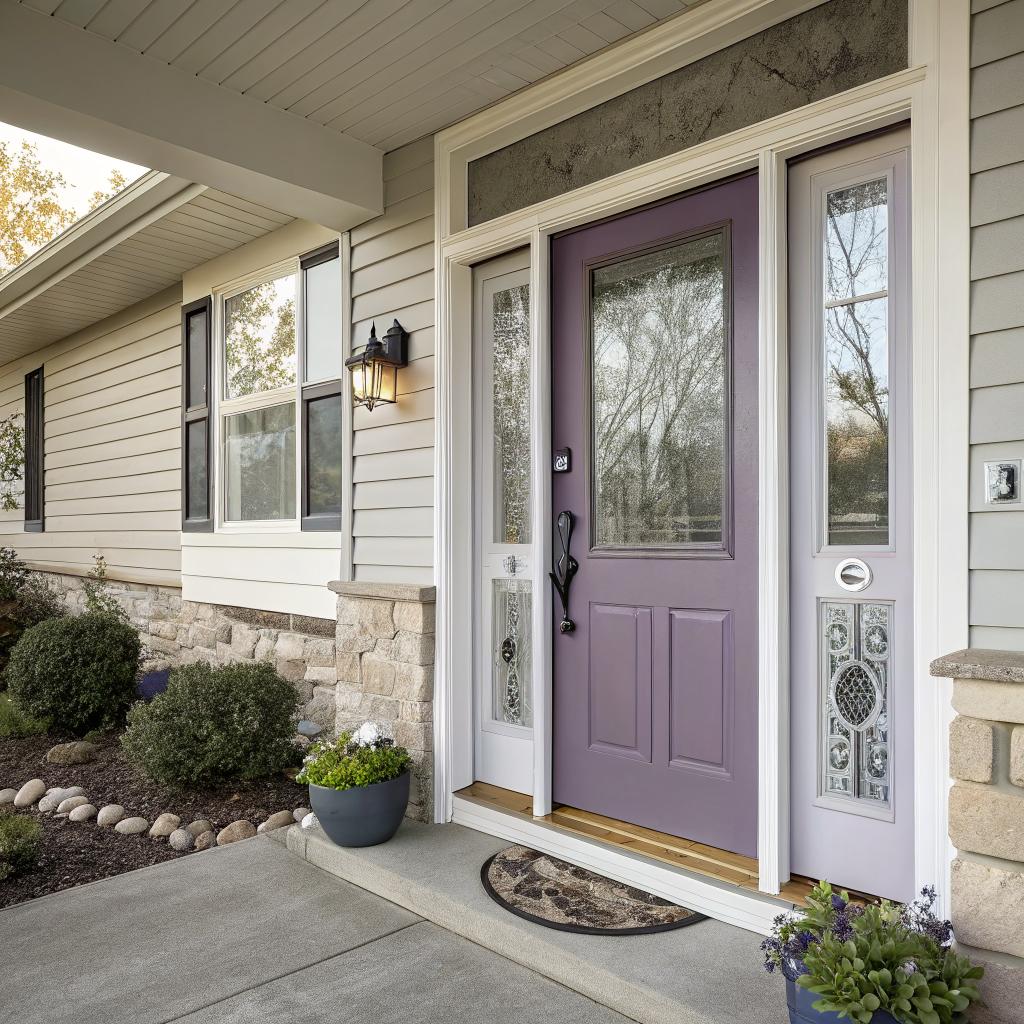
What if I told you that one of the most nostalgic things about older homes in Colorado Springs is not the wood siding, not the creaky floors, but the front storm door your grandparents probably cursed every winter?
The short answer: if you care about memories, comfort, and tech, the best move today is to replace that rattling old panel with a modern storm door that respects vintage style but adds real insulation, better glass, and optional smart locks or screens. If you want a direct place to start looking at options for storm doors Colorado Springs, there are local companies that now mix classic looks with new tech in a way that would probably confuse your 1970s self, but in a good way.
From here, we can walk through how storm doors went from simple metal frames to something closer to a useful gadget on your house, without losing that feeling of “this is the doorway I remember.”
Why storm doors became such a Colorado Springs thing
Colorado Springs sits in a strange spot between cozy sunshine and “why is this wind trying to rip the paint off my house.” That gap between gentle and brutal is exactly where storm doors came from.
Old neighborhoods in town often have:
– Dry air that cracks wood
– Sudden temperature drops
– Dust that finds its way into everything
And yet, many people here still love the feeling of an open front door with only a glass panel between them and the outside. You can smell pine after a storm, hear kids on bikes, see Pikes Peak in the distance, and still keep the main door safe.
Storm doors grew out of that tension:
We wanted fresh air and light, but we also wanted a barrier between us and the climate. Storm doors became that compromise.
They started as a kind of shield. Thin, a bit flimsy, but good enough.
Now they are part nostalgia, part insulation, and part gadget.
What a storm door actually does today
At a basic level, a storm door:
– Protects your main door from sun, rain, and snow
– Adds an extra layer of insulation
– Gives you ventilation through a screen without leaving the main door wide open
– Adds one more lock between the street and your living room
None of that sounds dramatic. But in daily life, you feel it in small ways:
– Your entryway is not freezing when you come home.
– Your main door paint does not peel every few years.
– Your heating bill is a bit lower over time.
– You can leave the big door open and still feel secure.
If you grew up here, you might not even think about it. The sound of that metal frame closing is just part of daily background noise.
From wood and wobbly glass to aluminum and smart glass
If we look at storm doors through a nostalgia / evolution / tech lens, the story is surprisingly clear. There are three rough eras that show up in Colorado Springs homes.
The vintage era: wood frames and single glass
Older storm doors, especially on postwar homes and mid century houses, were simple:
– Wood frame
– One big glass panel
– Maybe a removable screen for summer
– A basic latch that never lined up quite right
Visually, they were nice. The wood matched the trim. The glass had a bit of waviness. The handle was simple and heavy.
Function was another story.
– The glass was single pane, so not much insulation.
– The wood swelled and shrank with the seasons.
– The hardware often loosened, so the door rattled in the wind.
Still, those doors left an imprint. You might remember:
– Pressing your face to the cold glass to see if it was still snowing.
– Hearing the wind whistle around the frame at night.
– Smelling wet wood after a storm.
From a modern perspective, these doors were basically nostalgia machines with minimal performance. But they set the pattern: a second door that changes how the house feels inside.
The aluminum era: practical, plain, and everywhere
By the 1970s and 80s, aluminum storm doors took over a lot of Colorado Springs blocks.
You can still recognize them:
– Thin aluminum frame
– Narrow glass panel or two panels
– Flat hardware with a little push-button latch
– Often in white or brown, sometimes peeling
They solved some problems:
– They did not swell like wood.
– They were lighter.
– They held up better in dry air and cold nights.
But they brought new ones:
– Creaky closers that slammed shut.
– Glass that fogged or broke easily.
– Insulation still only so-so.
From a design angle, they flattened the personality of many older homes. A Victorian with ornate trim might end up with a plain, square aluminum storm door that looked like it came from a hardware aisle clearance shelf.
Yet they were popular because they were cheap and did the job “well enough.” People cared more about not freezing in the hallway than about style.
The modern era: insulated glass, colors, and better locks
Shortly after, manufacturers started to treat storm doors less like a cheap add-on and more like a small but important part of the house.
Modern storm doors now bring:
– Thicker aluminum or steel frames
– Insulated or low-e glass
– Smoother closers that do not slam
– More serious locks with deadbolts
– Different colors, including custom ones
This is where nostalgia and tech begin to mix:
– You can choose a style that looks old, with divided glass or decorative grids.
– Under the surface, you get modern glass coatings and weatherstripping.
You can have a storm door that looks like something from your grandparents house, while quietly performing like something from a sci-fi film, just without all the drama.
Then, in the last few years, another layer arrived: smart locks, connected sensors, and glass that can shift privacy levels. Not every home needs that, but in a city that loves both history and gadgets, it is gaining ground.
How storm doors shape how your home feels inside
This part often gets skipped in technical discussions, but it matters if you care about how spaces feel, not just how they score on a checklist.
Light, shadow, and the “second skin” of your entry
A storm door adds a transparent skin to your main door. That changes how:
– Sunlight hits your hallway
– Sounds from the street enter your home
– Air moves through the front of the house
If you leave the main door open, the storm door becomes the “front” of your home visually. From inside you see:
– The view through the glass
– Reflections of trees or mountains
– The shifting brightness during the day
Older wood storm doors often tinted light slightly, due to aged glass or screen material. Newer ones with clear low-e glass are calmer. Some people like that clarity, others miss the warm tint.
In a way, choosing a storm door is partly a choice about how you want your entry to feel during the day. Bright and open. Softer and filtered. Closed and private. That is not just a thermal question. It is also emotional.
Temperature and the “buffer zone” effect
If you have ever stepped into a Colorado Springs house in January and felt a strange middle temperature in the entry, that is the buffer zone effect.
With a modern storm door, your front door no longer faces the cold directly. Instead:
– Wind hits the storm door first.
– Air between the two doors warms up a bit.
– Your main door interior stays closer to room temperature.
In summer, if you swap to screens or open panels, you can:
– Let breeze in without bugs.
– Keep pets safe inside while still getting air.
– Air out the house in the evening after a hot day.
To give you a simpler comparison, think about three common types of storm door setups and what they actually provide in real life.
| Storm Door Type | What it feels like in winter | What it feels like in summer |
|---|---|---|
| Old wood + single glass | Entry still chilly, glass cold to the touch, some drafts | Screen nice for airflow, wood can swell or stick |
| Basic aluminum + single glass | Less drafty than old wood, but hallway can still feel cold | Screen helps, closer often slams in the wind |
| Modern insulated storm door | Entry stays noticeably warmer, less temperature swing | Better control of light and air, quieter from street |
You might not care about the exact temperature change. But you will care when your hallway no longer feels like an unheated porch every time you come home.
From nostalgia to smart: what “smart” storm doors actually do
The word “smart” in home products often sounds like marketing. Sometimes it is. With storm doors, it can mean a few concrete things that you can actually use.
Smart locks and access control
The most common upgrade is a smart lock in the storm door or in the main door paired with a compatible storm door.
Practical changes:
– You can unlock from your phone.
– You can give temporary codes to guests or workers.
– You get alerts if the door is left open.
In a city where people often head to the mountains for a day hike, that kind of control can be nice. You do not have to hide a key under the mat or hope a neighbor is home.
There is one tradeoff though. If your storm door has a keyed lock and your main door has a smart lock, you now juggle both. Some people remove the storm door keyed lock and keep only a latch, using the main smart lock for security. Others want both.
Here the nostalgic part bumps into tech:
– The old habit of hearing a metal key turn is replaced by a beep.
– Some people miss that; others are glad to be done with keys.
Sensors and status: is my door actually closed?
Some systems include:
– Open / close sensors
– Integration with home platforms
– Simple notifications
Nothing dramatic. But in a place where sudden wind gusts can throw a storm door open, it helps to know if you closed it properly.
You might get:
– A ping if the door is open for more than 10 minutes.
– A status in your app that says both main and storm doors are closed.
This is where technology mostly disappears into daily life. You do not think about it, except when it quietly prevents a problem.
Smart glass and privacy options
This is less common but starting to appear:
– Glass that changes from clear to frosted with a switch
– Built-in blinds inside the glass that you tilt with a control
Why does this matter in Colorado Springs?
– Some neighborhoods are close to the street, with people walking dogs right past your front door.
– At the same time, you may want a full view of the mountains at certain angles.
Adjustable glass or blinds help you shift between:
– Morning privacy
– Afternoon light
– Evening street-facing view
To be honest, many homes do not need this level of control. But for someone who cares about both aesthetics and tech, it offers a small way to tune the entry to your mood.
Balancing nostalgia and practicality when you replace a storm door
If you have an older storm door and you feel attached to its look, you might worry that upgrading means losing that link to the past. It does not have to.
What people cling to from older doors
In conversations with homeowners, a few themes repeat:
– The pattern of divided glass panels
– The weight and feel of the old handle
– The color that matches faded trim
– The sound the latch makes
None of these are “features” you see in a brochure, but they matter.
So the question becomes: how do you keep some of that character and still gain better performance?
Ways to echo vintage style in a modern storm door
Here are some practical points where you can bring the past forward a bit:
- Frame style: Look for models with narrower frames and divided lites if you like older looks.
- Color: Match or slightly adjust the original trim color rather than defaulting to bright white.
- Hardware shape: Choose lever handles or curved pulls that feel more “old house” than flat paddle latches.
- Glass options: Consider lightly textured or patterned glass for privacy that still feels vintage.
The goal is not to freeze your house in time, but to let it remember its own past while living in the present.
You might not find a perfect copy of what you had, and that is fine. A small change in proportion or hardware can freshen the entry while still feeling familiar when you reach for the handle in the dark.
Storm doors, energy use, and real numbers
Let us talk about the practical side for a moment. Not vague promises, just what typically changes when you go from an old storm door to a better one.
Where the savings actually come from
Storm doors affect energy use in a few indirect ways:
– They limit wind hitting your main door.
– They reduce air leakage around the frame.
– They protect weatherstripping on the main door so it lasts longer.
– Some versions reduce heat loss through the glass itself.
For many homes in Colorado Springs, the biggest gain is simply cutting drafts and stabilizing that front area. You feel the benefit even before you see it in a bill.
Imagine three scenarios:
| Main Door + Storm Combo | Entry Comfort Level | Long term effect |
|---|---|---|
| Old main door + no storm | Cold floor near door, drafts, more noise | Frequent repainting, weatherstripping wears fast |
| Old main door + basic storm | Some buffer, still feels cool in strong winds | Better protection, but glass and closer may need fixes often |
| Updated main door + insulated storm | Stable temperature, quieter, less glare | Fewer repairs, lower heating and cooling use over time |
The numbers vary by house, but pattern stays roughly the same. More layers, less stress on the main door, fewer leaks.
Choosing a storm door in Colorado Springs: a practical checklist
This is where it is easy to get lost in options. Instead of trying to chase every feature, it helps to decide what you actually care about first.
Step 1: Decide what problem you are really solving
Ask yourself:
– Is my main entry too cold or drafty?
– Do I just want more ventilation without bugs?
– Am I mostly worried about my main door getting hammered by sun and snow?
– Do I care about security at this entry, or is it mostly about comfort?
If you know your real problem, choices get easier.
For example:
– If drafts are your main complaint, focus on tight weatherstripping and insulated glass.
– If security is top of mind, look for multi-point locks or strong frames.
– If you just want more fresh air, a full-view door with built-in screen might be enough.
Step 2: Match style to your house age
Colorado Springs has a mix of:
– Older bungalows
– 1960s and 70s ranch homes
– 1990s and early 2000s suburban designs
– Newer builds with cleaner lines
As a rough guide:
- Bungalows and older homes: Look for divided glass, traditional hardware, warmer colors.
- Mid century and 70s homes: Simple, larger glass panels, neutral tones often look right.
- Newer homes: Full-view glass with minimal framing and modern handles usually fit well.
You do not need to be strict about this, but if a door looks like it could have always been there, it usually feels right from day one.
Step 3: Decide how “smart” you really want to go
Technology should follow your habits, not the other way around. Ask:
– Will I actually use a phone app to control my lock?
– Do I often worry if the door is closed when I leave?
– Do I like physical keys or prefer codes and fobs?
If you rarely use your phone for home control, you may be happier with a strong manual deadbolt and skip the smart side for now.
If you love gadgets and already have smart lights or thermostats, adding a smart lock or sensor at your entry probably fits your routine.
Step 4: Look at how the door will live over time
Think a few years ahead:
– Will the color still work if you repaint the house?
– Can the glass be replaced if it cracks?
– Are parts available locally if the closer fails?
Storm doors are not glamorous, but they get daily use. Choosing something you do not have to fight with every season is worth more than some minor feature you will forget about.
How storm doors reflect bigger shifts in how we live
If we zoom out, storm doors in Colorado Springs are small proof of a larger pattern:
– We keep some old habits, like wanting fresh air and sunlight.
– We add layers of control, like glass coatings and sensors.
– We try to keep familiar appearances while upgrading what sits behind them.
Your grandparents wanted a barrier between the front room and the winter wind. You probably want that too. But you may also want a quiet close, no slamming, maybe notifications, and glass that cuts glare on your phone screen when you step into the entry.
Sometimes this mix can feel a bit conflicting:
– Part of you wants the heavy, creaky door you remember.
– Part of you is tired of fighting drafts and repairs.
– Part of you likes smart features.
– Part of you just wants something that works and does not ask for attention.
These tensions are normal. You do not have to pick a “full vintage” or “full tech” identity for your house. A good storm door can quietly sit between those, just like it sits between inside and outside.
Common questions about storm doors in Colorado Springs
Is a storm door even necessary here?
If your main door is high quality, well insulated, and under a deep porch, you might not need a storm door at all. It becomes more useful when:
– Your door faces strong wind or driving rain.
– There is little roof overhang.
– You want more ventilation but do not like leaving the main door open.
So no, it is not mandatory. But in many parts of the city, it adds comfort and protection that people notice once they have it.
Will a storm door overheat my entry in the sun?
On strong south or west facing doors, heat build-up can be an issue, especially with dark main doors behind clear glass.
Risks increase when:
– The storm door has no venting.
– The main door is dark and absorbs heat.
– The area gets many hours of direct sun.
To reduce problems, you can:
– Choose lighter colors on the main door.
– Use venting storm doors or models with screens you can open.
– Consider low-e glass that reflects some solar heat.
If you are not sure, watching how sun hits your entry through a full day is a simple first step.
Can I keep my old vintage storm door and just fix it?
Sometimes yes. If the frame is solid and you just have loose hardware or worn screens, repairs can help.
It becomes harder to justify repair when:
– The glass is thin and drafty.
– The frame is warped or rotting.
– The closer pulls out of the frame repeatedly.
If you love the look, one compromise is to take careful photos and measurements and find a modern door that echoes those proportions. You lose the exact original, but you keep much of the feeling.
Are smart features on storm doors reliable long term?
The physical parts like the frame and glass will almost always outlast the electronics. Smart locks and sensors are closer to phones in lifespan than to doors.
That is not necessarily a deal-breaker, but it is honest to say:
– You may replace or update the lock while the door itself keeps going.
– If your tech tastes change, you can often swap hardware and keep the same door.
If you are someone who likes to tinker or update gadgets, this rotation will not bother you. If you prefer to set something and forget it for 20 years, a strong mechanical lock might suit you better.
What would you pick: vintage style or smart features?
If I had to choose for a typical Colorado Springs home that cares about both nostalgia and technology, I would lean toward:
A full-view storm door with insulated glass, traditional style hardware, and a strong mechanical lock, paired with a smart lock on the main door.
You get:
– Clean light and views
– Real insulation gains
– A look that does not feel harshly modern
– Tech where it matters most, on the main entry lock
But that is just one balance point. The more interesting question is: when you stand at your front step, what do you want that doorway to say about how you live, and how much of your past do you want to keep in the frame while your house quietly gets smarter behind the glass?
