

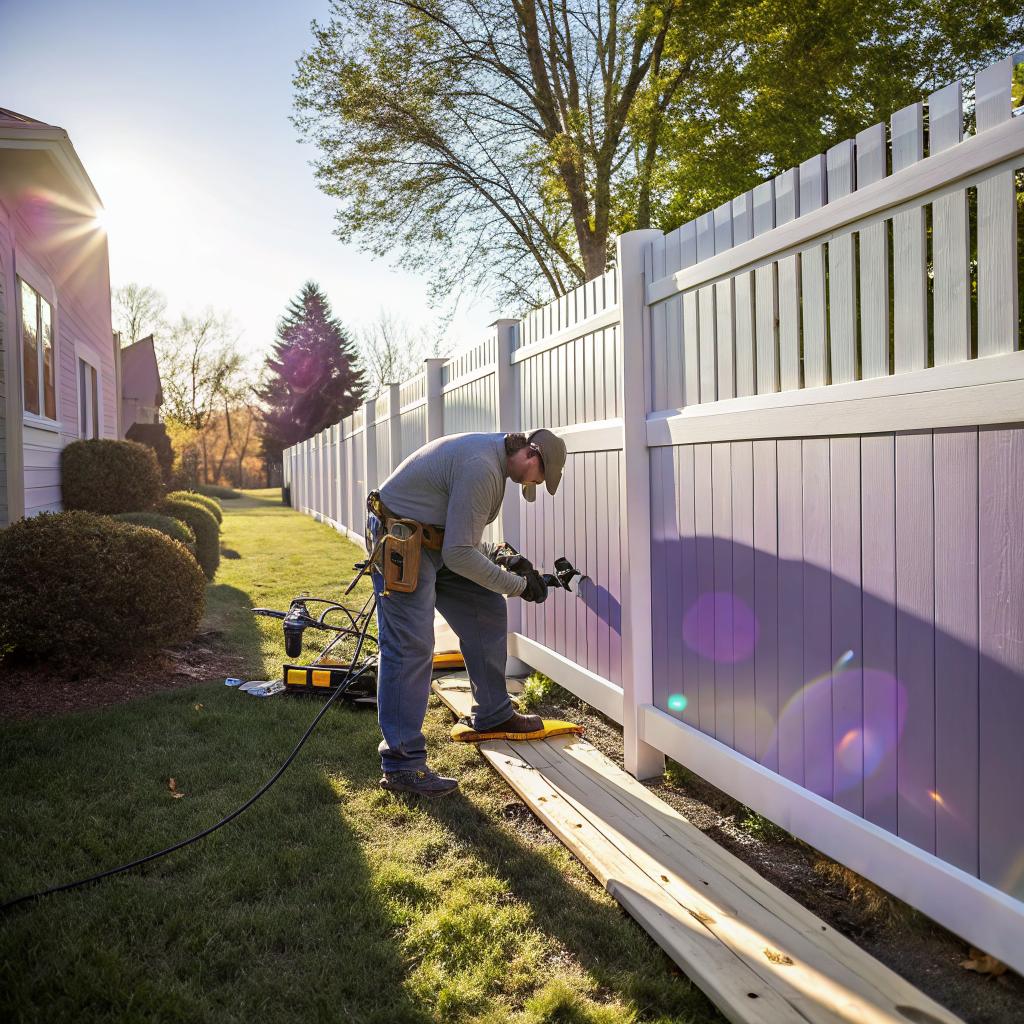
What if I told you that the fence you build this year might age faster than the smartphone in your pocket?
The short answer: pick a fence contractor in Littleton who treats your yard like a long term system, not a weekend project. That means someone who understands permits, evolving city codes, new materials, neighbor rules, and even how tech like smart locks or privacy screens could fit your life later. A good fence contractor Littleton will walk your property with you, explain tradeoffs in plain language, show recent local work, and give a written plan that covers materials, warranty, and what happens if something goes wrong.
That is the precise answer. Now the slow, more honest version.
Most of us grew up with simple fences. Wood. Nails. Maybe a gate that squeaked forever. You did not think about privacy data, smart cameras, or HOA guidelines written like software licenses.
Today, your fence touches more than grass and dirt. It shapes how your outdoor space feels on Zoom calls, how your dog tracker syncs, and how your security lights and cameras see the street. A future ready contractor will not just ask “how tall” but also “what might change in your life, and in this neighborhood, over the next ten years?”
What “future ready” really means for a fence
I think the phrase gets thrown around a lot. People use it for phones, cars, almost anything. For a fence in Littleton, it is a bit more grounded.
A future ready fence is one that still does its job when your life, your tech, and your city rules change around it.
So what does that actually look like in your yard?
1. It survives local weather without constant drama
Littleton has a strange mix of sun, snow, and wind. Old style fence jobs that looked fine at first can start warping, leaning, or cracking after the first two hard seasons.
A contractor who thinks ahead will:
- Set posts deep enough for freeze and thaw cycles
- Use hardware that can handle temperature swings and UV
- Talk about maintenance honestly, not pretend there is no upkeep
If a contractor shrugs and says “standard depth is fine” without asking about your soil, slope, or exposure, that is not future ready. That is just fast.
2. It plays well with future tech, not only what you own now
You might not have smart locks, cameras, or Wi-Fi sensors on your gate today. You might never want any of that. Still, a fence that can handle simple upgrades later is easier to live with.
Examples that do not feel like science fiction:
- Gate design that can accept a keypad lock or smart deadbolt later
- Clear lines of sight for security cameras, instead of random blind spots
- Conduit or paths for low voltage wire if you add lighting down the road
You do not need a “smart fence”. You just need a contractor who does not build something that fights you the moment you add one more device.
3. It respects both nostalgia and change
Many people in Littleton like the look of classic wood fences. It reminds them of older neighborhoods, slower days, and yards where kids stayed outside until dark. I understand that. A plain cedar fence can feel more “real” than a synthetic panel.
Future readiness does not mean you must pick modern materials. It means having a clear picture:
- How that classic look ages, fade and all
- What maintenance it needs at 3, 5, 10 years
- What happens if your HOA or the city updates style or height limits
A good contractor will not push you to the trendiest product just to say it is “advanced”. They will explain tradeoffs so you can mix old and new in a way that feels right.
If a contractor talks only about looks on day one, and not about what the fence will be like in year five or ten, they are only designing for a moment, not for your future routine.
Key things to look for in a Littleton fence contractor
Here is where it gets practical. You want something you can use when you start calling around.
Local experience that is real, not just claimed
Fence work is hyper local. Soil conditions, wind, HOA quirks, and city inspectors all change the job.
Ask questions that force specific answers:
- “How many projects have you done in Littleton this past year?”
- “Which neighborhoods have you worked in recently?”
- “Can you show me pictures of fences you built that are at least 3 years old?”
Look for names of actual streets or subdivisions. If every answer sounds vague, they might be guessing about local conditions.
Understanding of current and upcoming rules
Fence codes and HOA guidelines can change more often than you think. Height limits, materials allowed, corner lot visibility, and property line setbacks are not fixed forever.
A future aware contractor should:
- Know Littleton city or county rules for your address
- Have basic familiarity with nearby HOAs, or at least be willing to read your documents
- Explain permit steps in a way that makes sense
You can test this with a simple question:
“Are there any common fence mistakes that cause problems with Littleton inspectors or HOAs?”
If they cannot name at least one or two, I would be a bit suspicious.
Clear material options, with real pros and cons
A contractor who only pushes one material is not thinking about your situation, just their comfort zone.
A simple comparison table can help. Something like this:
| Material | What it feels like | Maintenance over 10 years | Future flexibility |
|---|---|---|---|
| Cedar or pine wood | Traditional look, natural aging | Stain or seal regularly, repair warped boards | Easy to adjust height or sections later |
| Vinyl | Clean lines, more modern feel | Wash occasionally, fewer repairs if installed well | Harder to modify, but stable for a long time |
| Metal (steel or aluminum) | Open view, secure, minimal visual block | Watch for rust on cheaper products, usually light upkeep | Good for adding gates, latches, or tech devices |
| Composite | Looks somewhat like wood, more uniform | Low routine work, higher upfront cost | Harder to change later, but very stable |
A solid contractor will walk through these tradeoffs, not rush you to the most expensive choice. If they do not ask about your pets, kids, or future plans, they are skipping key information.
How to judge a contractor by their questions
Sometimes the best signal is not what they say about themselves, but what they ask you.
Questions that hint at short term thinking
If the chat goes like this:
– “What style?”
– “How tall?”
– “When do you want it done?”
Then they might just be treating you as a quick slot in their schedule.
On its own, that is not terrible. But you are aiming for something that works beyond this season.
Questions that suggest future awareness
Listen for questions such as:
- “How long do you plan to stay in this house?”
- “Do you see yourself adding a deck, shed, or pool later?”
- “Are there any tech items you already have outside, like cameras or sensors?”
- “How much routine maintenance are you willing to handle each year?”
These questions connect to real life. They also show the contractor is thinking about your fence as part of a bigger picture.
A future ready contractor cares more about how the fence will live with you than how it looks on their website the day it is installed.
Reading online reviews with a careful eye
Reviews help, but they can be noisy. Someone might give a 5 star score because the crew was friendly, even if the posts were set too shallow. Or a 1 star complaint can come from a permit delay that was not the contractor’s fault.
Try scanning reviews with two filters in mind:
Short term vs long term comments
Look for comments written more than a year after install. These matter more than day one impressions.
Things to watch for:
- Mentions of sagging, warping, or gates that stopped latching
- How the contractor responded to warranty calls or complaints
- Any comments about how they handled tricky yards or slopes
If all the reviews talk about “fast” and “on time” and almost none talk about how the fence aged, you still do not have the full story.
Patterns in communication
A contractor does not need perfect reviews. What matters is how they respond to issues.
Pay attention to:
- Whether they replied to negative reviews with clear explanations
- Whether they seem defensive all the time or willing to fix things
- How often clients praise their communication, not just the final look
If you see phrases like “called back right away”, “explained options”, or “checked in after the job”, that signals someone who is easier to work with over the long run.
Why planning for change matters so much in Littleton
Littleton is not a giant tech hub, but it is not stuck in the past either. Yards that once just had swing sets now have outdoor Wi-Fi, charging spots, and cameras. People use their fences as backdrops for remote work, calls with family, or content creation. Quietly, the fence has become part of our daily interface with the outside world.
Common changes that affect your fence later
You might not plan for all of these, but real people run into them:
- Getting a larger dog that can jump lower fences
- Neighbors adding second story windows that look into your yard
- Kids growing into teenagers who want more privacy for their space
- Adding solar lights, cameras, or wired speakers outside
- New building next door that changes wind patterns or shade
A future ready contractor will not predict every twist, but they can leave room for change. For instance, leaving space for a taller section later, or setting posts strong enough to carry heavier gates down the road.
Mixing nostalgia with progress without losing your yard’s character
Many people feel a bit caught between past and future. They like the memory of old fences that leaned a bit but still felt familiar. At the same time, they do not want yearly repair drama.
Here is a balanced way to think about it:
| If you care about… | Ask your contractor to focus on… | Questions to ask |
|---|---|---|
| Classic look and feel | Quality wood, board layout, post spacing | “How will this wood age in our sun and snow?” |
| Low hassle over time | Durable hardware, better fasteners, proper depth | “What will this fence need from me in 5 years?” |
| Tech and security | Gate design, power paths, camera views | “Where would you place cameras or locks on this layout?” |
| Resale value | Neutral styles, solid structure, clean lines | “What do buyers in this area usually look for in fencing?” |
You do not need to pick only one. The right contractor will help you blend points from each column.
Red flags that a contractor is not future ready
Sometimes the fastest way to choose is to know what to avoid.
They resist written detail
Your contract should cover, at a minimum:
- Materials by type and grade
- Post depth and spacing
- Gate hardware and number of gates
- Cleanup plan
- Warranty terms and what voids them
If someone says “we do not need that level of detail, trust us”, that is a clear warning sign. A future aware contractor is not afraid of clarity. It protects both of you.
They ignore your long term questions
Try asking:
– “What will this fence look like in ten years?”
– “What is the usual repair you get called back for?”
– “What is the weakest point in this design?”
If the contractor dismisses these questions or gives sales-like answers with no specifics, they might not be thinking very far ahead.
They only talk about today’s price
Cost matters. No question. But future cost matters too.
If the only comparison they give is upfront cost, ask:
– “What maintenance will this choice need over ten years?”
– “If something fails early, what happens under your warranty?”
– “Have any of your past clients regretted choosing this material?”
A good contractor can handle these questions without getting defensive.
Planning the project step by step
You do not have to treat the whole process as some giant project plan. Still, a simple order helps you think clearly.
1. Walk your yard with your phone and a notepad
Before you call anyone, do a slow loop around your property.
Notice:
- Places where privacy feels thin or exposed
- Areas where kids or pets gather
- Existing tech like cameras, lights, or outlets
- Snow drift patterns or wind channels you have seen before
Take a few photos. You can show these to the contractor during your first talk.
2. Gather your rules and limits
Pull together:
- Property survey if you have it
- HOA rules about fences, if they exist
- Any letters or notices related to your boundary lines
You do not need to become an expert in codes. That is partly the contractor’s job. But having this paperwork ready speeds things up and reveals which contractors take rules seriously.
3. Talk to at least two or three contractors
Even if you like the first person, talking to a second one teaches you what questions you forgot.
During these talks, focus on:
- How they explain tradeoffs, not just what they recommend
- Whether they ask follow up questions about your routine
- How they react when you ask about long term wear or tech
You might notice small differences. One contractor might care about how you open the gate with full hands. Another might ignore that. Those small details matter once you live with the fence.
4. Choose for fit, not just the lowest number
Price matters, but so does the match between what you expect and how they work.
Ask yourself:
- Do I understand the plan clearly enough to explain it to a friend?
- Do I know what I am getting, in writing, down to the hardware?
- Do I feel I can call this person if something feels off later?
If the lowest bid also checks these boxes, great. If it does not, think about how much you want to deal with stress every time the wind picks up and your fence moves a bit.
Common questions people in Littleton ask about future ready fencing
Q: Do I really need to care about tech when I just want privacy?
You do not need to care about every gadget. But thinking a bit about tech is really just thinking about how you use your yard.
If you ever plan to:
- Add outdoor lighting beyond a simple plug-in lamp
- Place a camera near the gate for delivery alerts
- Use a smart lock or keypad on a back gate for dog walkers or guests
Then asking your contractor to keep those paths open now will save you headaches later. It is not about having a “smart yard”. It is about not boxing yourself in.
Q: Is wood still a good choice for a long term fence in Littleton?
Yes, if you accept what comes with it. Wood gives you a warm, familiar look that feels right in many older neighborhoods. It is also more sensitive to local weather than some newer materials.
To keep a wood fence future friendly, you will want:
- Quality lumber, not the cheapest boards on the rack
- Proper sealing or staining at a regular schedule
- Strong posts and thoughtful drainage at the base
If you know you will not keep up with staining or repairs, it might be better to look at vinyl or composite. There is no single correct answer. Just an honest match between your habits and the material.
Q: How long should a well built fence last in Littleton?
There is no perfect number. Rough ranges help:
- Basic wood fence with modest care: 10 to 15 years
- Higher grade wood with strong structure and good maintenance: 15 to 20 years or more
- Vinyl or composite: often 20 years or longer, if installed well
- Metal fencing: can go beyond 20 years with attention to rust spots
The contractor’s choices about depth, spacing, and hardware can swing these ranges by a wide margin. Two fences that look the same on day one may age very differently.
Q: Are permits really that big a deal for a fence?
Yes, because they affect your future options. A fence that does not follow code can cause issues when:
- You sell your home
- A neighbor disputes a property line
- The city updates safety rules, especially near corners or driveways
A contractor who handles permits correctly helps protect you from these problems. It is not just paperwork. It is part of making sure your fence remains an asset instead of a future argument.
Q: What is the one question I should not forget to ask my contractor?
Try this one:
“If we stand in this yard ten years from now, what will you wish we had done differently today?”
A thoughtful contractor will pause and give a real answer. They might suggest deeper posts, better hardware, a slightly different layout, or a different gate position. That answer tells you how much they have learned from past work, not just what looks good in a brochure.
