

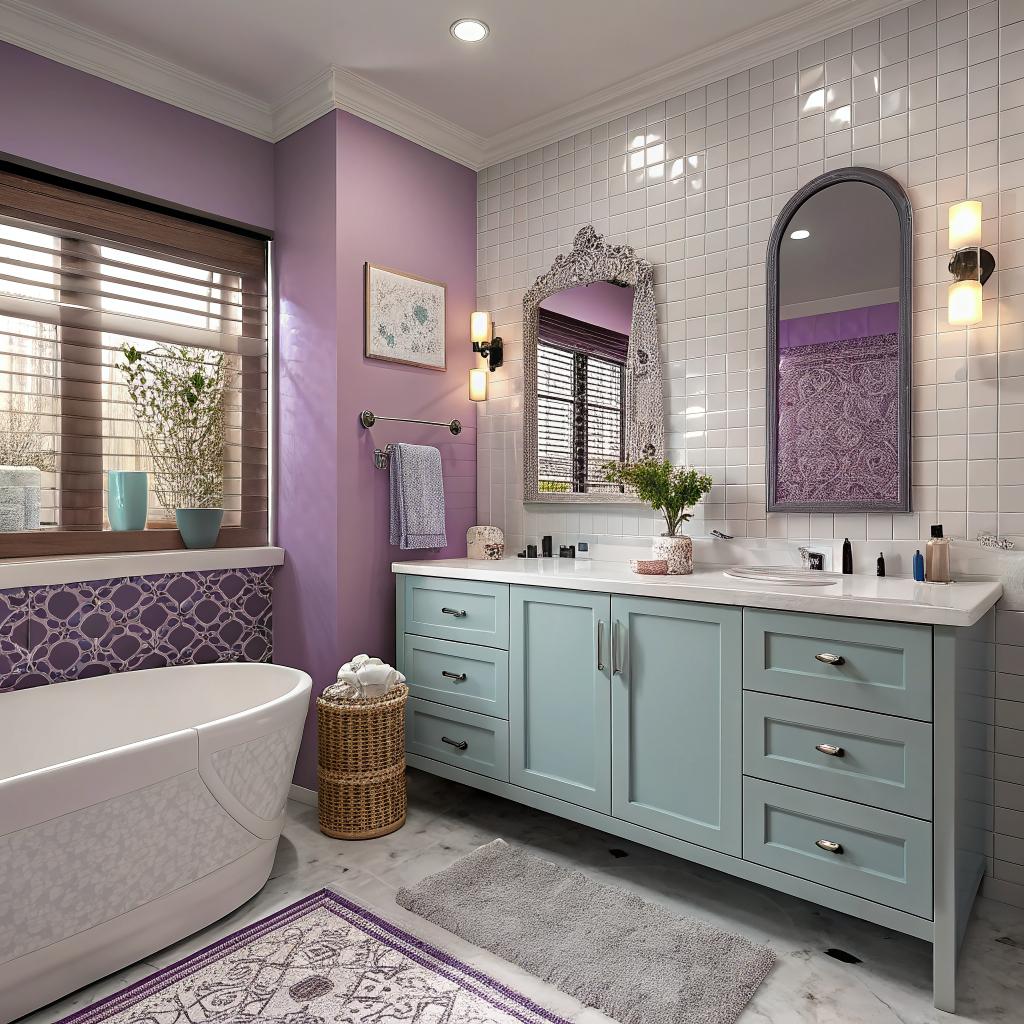
What if I told you that your bathroom could feel like a 1983 RadioShack catalog and a clean, modern spa at the same time, without turning into a museum or a joke?
You can. The short answer is this: keep the plumbing and layout modern, layer in retro tech style through lighting, fixtures, color, and a few carefully chosen gadgets, and work with a local pro who understands both building codes and your nostalgia. If you are looking at actual construction work, a specialist in bathroom remodeling Scottsdale can handle the heavy lifting while you obsess over which shade of avocado green is the “right” one.
Now let us unpack how that actually works in a real Scottsdale home, not just on Pinterest.
Why a retro tech bathroom even makes sense
At first, a “retro tech” bathroom sounds odd. Bathrooms are practical. Tech is usually about screens. Retro sounds fragile or fussy.
But if you think of bathrooms as small, contained spaces, they are actually perfect for experiments. You can commit to a strong visual theme without changing your whole house. And retro tech style hides in more places than you expect.
Think about:
– The soft glow of an old vacuum tube radio.
– The clunk of a rotary phone dial.
– The little red LED numbers on early digital alarm clocks.
None of that belongs in a shower, obviously, but the feeling of it can. The shapes. The colors. The way light looked. The sense that the future was blinking at you in simple blocks of red or green.
Scottsdale adds another layer. You have:
– Strong desert light.
– Midcentury and late-century homes that already have the bones for this look.
– A lot of plain, builder-grade bathrooms that are begging for some personality.
So if you like nostalgia, evolution, and technology, the bathroom turns into a small lab. You can celebrate the history of tech without giving up modern comfort or safety.
If you keep the structure modern and play with surfaces, lighting, and details, you can go heavy on retro style without making the room feel old or unsafe.
Picking your era: “retro tech” is not one thing
One big mistake is to throw every old-looking idea into one space. That is how you end up with a 50s pattern tile, 70s wood, 80s chrome, and 90s beige, all fighting each other.
It helps to pick a main era first, then borrow small bits from others.
Common retro tech eras that work in a bathroom
- 1950s “atomic age”: Rounded shapes, pastel colors, starburst clocks, chrome, playful patterns. Feels hopeful and bright.
- 1960s space race: Clean white, bold colors, round bulbs, simple lines, a sense of “future gadget” without clutter.
- 1970s home hi-fi: Wood veneer, warm metals, amber glass, earthy tones, geometric patterns, textured walls.
- 1980s digital: Black, chrome, neon accents, grids, red or green LED style displays, sharper angles.
- Early 1990s console era: Greys, soft tones, simple blocky forms, minimal patterns, more plastic feel.
You do not need to be strict, but it helps to choose one to lead. For example:
– If you love vintage receivers and speakers, a 70s hi-fi theme fits.
– If your heart jumps at old Casio watches, 80s digital cues make sense.
Pick an era that matches what you already collect or enjoy, not just what looks good on mood boards.
Once you choose the mood, choices about tile, fixtures, and lighting become much simpler.
Color, light, and material: the core of retro tech style
You can think of your bathroom like a small piece of user interface. The color, light, and texture shape how you feel every time you step inside.
Color choices that feel retro without feeling dated
Retro tech does not only mean bright teal and wild orange. The trick is to anchor strong colors with calmer neutrals.
Here are some workable combos for Scottsdale bathrooms, with the desert light in mind.
| Era vibe | Main colors | Accent colors | Notes |
|---|---|---|---|
| 1950s atomic | Soft mint, cream, light gray | Cherry red, chrome | Use color on vanity or tile strip, keep walls neutral. |
| 1960s space age | White, charcoal, pale blue | Mustard, bright orange | Good for small baths; color in towels and art. |
| 1970s hi-fi | Warm beige, tan, walnut | Burnt orange, olive green | Feels cozy in the evening, good with brass. |
| 1980s digital | Black, medium gray | Neon green, red, magenta | Use dark tile sparingly so it does not feel like a cave. |
| Early 1990s | Light gray, off white | Deep blue, teal | Very calm; tech vibe comes from shapes and gadgets. |
In Scottsdale, strong sun can wash colors out. So if you want a 70s-style deep orange, test a sample on the wall and look at it morning and late afternoon. Some shades will look almost brown at noon.
Lighting: where tech and nostalgia really meet
Lighting is the easiest way to make a bathroom feel like a specific decade of tech.
Think about three layers:
- Ceiling lighting for general brightness.
- Vanity lighting for mirrors and grooming.
- Accent lighting for mood and tech flavor.
Some ideas that work well for a retro tech feel:
– Globe vanity bulbs in a line across a mirror for a Hollywood dressing room meets 60s space age feel.
– A simple flush mount ceiling fixture with frosted glass and a brass or chrome rim for a 70s touch.
– LED strips hidden under a floating vanity, set to a single color like warm amber or old-school green, so it feels similar to a glowing dial.
You can also use modern smart bulbs but keep the color presets conservative. Warm white for daily use, a soft color scene if you want that “arcade glow” at night.
Do not chase every smart feature; pick lighting controls you will actually use every week, not just the first two days after install.
Retro hardware and fixtures that still meet modern needs
You probably do not want an actual vintage faucet with worn parts and questionable seals. Plumbing should be new. What you mimic is shape, finish, and tactile feel.
Faucets, handles, and shower fixtures
Look for:
– Cross handles or chunky knobs instead of thin, minimal levers if you like pre-digital style.
– Brushed nickel or chrome for a midcentury or 80s look.
– Warm brass or a “champagne” tone for 70s hi-fi energy.
– Square rainfall heads if you want late 80s “future hotel” style, round heads for 60s space age.
In Scottsdale, minerals in the water can stain fixtures over time. If you want black or very dark finishes, understand they will show water spots more. Some people do not mind wiping more often, some find it annoying. Chrome is less dramatic but easier to live with.
Toilets and tubs
A wall-hung toilet feels very “tech,” but it requires more planning and framing. It also helps in small baths.
For tubs, think about how you actually live:
– If you rarely take baths, a sleek shower with a vintage pattern tile wall may be smarter than a retro clawfoot tub.
– If you love soaking while watching something, a small recessed niche with a tablet stand can quietly nod to your tech habit without turning into a giant screen on the wall.
You can echo the era in simple ways:
– Soft curves and apron fronts for a 50s or 60s feel.
– Straighter lines and squared corners for 80s or early 90s.
Surfaces: tile patterns, counters, and flooring
Here is where the nostalgia can get out of hand. Many people fall in love with a wild pattern and get tired of it three months later.
A safer route: let the permanent surfaces be calmer and trigger nostalgia through smaller, replaceable pieces.
Tile patterns that nod to old tech
You can suggest tech history without printing circuit boards on everything.
Good starting points:
- Small square tiles in a grid for an 8-bit, early computer feel.
- Hex tiles to echo old radio and amp knobs, especially with a darker grout.
- Pinstripe tile layouts that suggest tuner dials or cassette tape graphics.
If you want color:
– Use it on a shower niche background rather than the whole wall.
– Create a “band” of accent tile at eye level, like an old hi-fi equalizer.
Countertops and cabinetry
For counters, solid surfaces in white, light gray, or cream keep the space from feeling heavy. Busy stone fights with retro patterns and gadget details.
Cabinets are where you can chase the wood or color you remember:
– Flat panel walnut or teak style for 70s stereo vibes.
– Painted slab doors in mint or soft blue for 50s energy.
– Matte gray for an early 90s “console” feeling.
Soft-close hardware is very modern, but no one complains about quieter drawers.
Bringing in the actual gadgets (without ruining the room)
Now the fun part. The tech itself. This is where a lot of retro fans go too big and end up with cluttered counters and a tangle of chargers.
You can think of your gadgets in three groups.
Hidden modern tech
This is the gear that keeps the space comfortable and safe but does not shout for attention.
Examples:
– Quiet, high-performing vent fan with a simple, flat grill.
– Smart light switches that look like normal switches.
– In-wall speakers or a moisture-safe Bluetooth speaker in the ceiling.
These make daily life better but do not affect the retro look strongly.
Retro-inspired modern objects
These are new items that look like older tech.
Some ideas that work well in a bathroom:
- A digital clock with a flip display or an LED segment display in a clean housing.
- A small waterproof radio that looks like a vintage unit.
- A hair dryer or electric toothbrush in a color that matches your era theme.
- Switch plates and dimmer knobs that copy old hi-fi knobs or rocker switches.
Try to match metals and colors so it feels like a controlled collection, not a random thrift store shelf.
True vintage pieces for display
This is where caution matters. Real vintage electronics rarely love humidity or steam.
Safer options:
– A vintage calculator, pager, or early cell phone under a small clear case on a shelf.
– Old printed circuit boards in shallow frames as “art” on the wall.
– Magazine covers or ads for cassette players, consoles, or Walkmans in simple frames.
If you want an actual vintage radio in the room, place it far from direct moisture, maybe in a dry powder room instead of a full bath with a shower.
Separate what is for daily use from what is for display; let real vintage tech be more like artwork than tools.
Layout and planning in real Scottsdale homes
Now we get into the part that is less fun than color talk, but it matters more. The physical space and climate.
Scottsdale has dry air, but bathrooms still see steam, temperature swings, and strong light. A retro tech theme on top of a poor layout will always feel off.
Typical Scottsdale bathroom setups
From what you see in many local homes, you tend to get:
– Smaller hall baths with a tub-shower combo and a single vanity.
– Larger primary baths with big tubs that no one uses and small showers.
– Long, narrow bathrooms in some midcentury or 70s houses.
For each type, you can approach the retro tech design differently.
- Small hall bath: Go light on deep colors, use one statement wall behind the vanity, keep storage simple and clean. Focus retro energy on lighting and hardware.
- Large primary bath: Replace the oversized tub with a larger shower, then use that open floor area for a longer “console style” vanity that looks like a piece of hi-fi furniture.
- Narrow bath: Use long lines, such as ribbed tile or slatted wood, to emphasize length. Keep fixtures tight and let retro details stay in vertical surfaces, not on the floor.
Ventilation and durability
Humidity may be lower outside, but shower steam still builds up. Tech and moisture are not good friends.
Planning tips:
– Put the vent fan where steam collects, often near the shower, not near the door.
– Choose water-resistant paint finishes and tile up higher where you expect splashes.
– If you install any wired tech (like speakers, screens, or fancy controls), use rated products meant for bathrooms.
This is usually where working with a local remodeler pays off. They know which products last in Scottsdale homes and which looked fine for six months then peeled or failed.
Budgeting: where to spend and where to save
A retro tech theme can get expensive if you chase authentic pieces or change every surface. You do not need to.
A rough way to think about spending:
| Category | Spend more | Spend less |
|---|---|---|
| Plumbing & layout | Quality fixtures, valves, and waterproofing | Hidden details you will never see, like fancy branded drains |
| Surfaces | Shower waterproofing, floor tile | Exotic stone counters, over-complicated tile mosaics |
| Lighting | Good dimmable lighting and safe wiring | Very complex smart systems with dozens of scenes you will not use |
| Retro tech items | 1 or 2 key pieces that really make you smile | Large collections of vintage items that just add clutter |
You can get a strong retro tech feeling from just:
– One great light fixture.
– One bold color or tile.
– One or two special gadgets on display.
The rest can stay simple and modern.
Working with remodelers who “get” tech nostalgia
This part is less fun to think about, but it often decides whether your idea survives the build.
Some contractors love the word “modern” and quietly resist anything that looks older. Others are happy to copy a photo you show them, but they do not understand what makes the era feel right, so the result is slightly off.
When you talk with remodelers in Scottsdale, ask questions like:
- Have you done any projects with a strong style theme, such as midcentury or art deco?
- Are you comfortable working with specialty lighting or smart switches?
- Can you help source fixtures with certain shapes or finishes, not just stock options?
Also, be honest about what matters to you. If the shape of the handles on the vanity feels as important as the shower itself, say so. Some people will think that is silly, but retro tech fans often care about those details.
One practical trick: create a small “style guide” before you start.
Include:
– 5 to 10 images of bathrooms or rooms that match your target era.
– 1 or 2 images that show what you do not want.
– A short note about your must-have colors or finishes.
Hand this to your remodeler so they do not guess.
Small details that quietly signal “retro tech”
If you do not want a full remodel, or if you are close to done and just want the room to feel more “you,” these smaller details help finish the story.
Switches and outlets
Standard white plastic covers scream “builder grade,” not “carefully chosen retro look.”
You can switch to:
– Metal switch plates in brushed aluminum or brass.
– Vintage-style toggle or push-button switches rated for modern codes.
– Outlets with integrated USB ports, but with covers that match your era colors.
Again, they are small upgrades, but you see and touch them every day.
Storage and organizers
If your counters are covered in random bottles, no one will notice your carefully chosen tile.
You can use:
– Wall-mounted medicine cabinets with a vintage mirror frame.
– Under-sink organizers that keep gadgets and cables hidden.
– Small labeled containers that look like 70s lab jars or cassette cases.
This is where many tech fans struggle. We collect chargers, shavers, grooming tools. The more of it you have, the more you need systems, or the nostalgia gets buried in clutter.
Balancing nostalgia, evolution, and actual tech
There is a risk in leaning too far into nostalgia and ignoring the evolution part. The most interesting retro tech bathrooms treat the space like a conversation between decades, not a single frozen moment.
One way to think about it:
– Let the bones of the room be modern and simple.
– Let the main visuals nod to your chosen retro era.
– Let the working tech, like switches and fans, be current but visually quiet.
So you might step into a space that looks 70s at first, then notice a discreet smart fan, a hidden speaker, and a subtle occupancy sensor that turns lights on without drama.
If you care about sustainability, you can also see it as part of tech evolution:
– Low-flow shower heads.
– LED lighting.
– Durable materials that will not need replacement soon.
Even if no guest notices these details, you will know that the room is more than a theme. It functions better than the bathrooms you grew up with, even as it borrows their look.
Common mistakes and how to avoid them
Some patterns show up again and again when people try this kind of project.
Over-theming the space
If every surface is screaming for attention, your brain gets tired.
Try this rule of thumb:
- One hero element per view. Maybe a striking tile wall in the shower, or a bold vanity color, or a special light. Not all three in the same sightline.
- Keep floors and ceilings calmer and cleaner.
Ignoring the rest of the house
A pure 80s digital bathroom attached to a soft farmhouse interior might feel like stepping through a time portal in a bad way.
You can still do it, but add small bridges:
– Match one wood tone.
– Repeat one metal finish.
– Use a shared neutral color.
That way the bathroom feels like a special chapter, not a separate book.
Trying to future-proof every tech choice
There is a temptation to pick the most complex smart mirror, the fanciest controls, and the most connected gadgets. The problem is that tech dates itself faster than tile.
Better approach:
– Make sure your wiring and power are flexible.
– Pick devices that can be replaced without tearing out walls.
– Favor simple, open standards when you can.
Your bathroom can still feel modern in 10 years if the core surfaces and layout are strong, even if you later swap the speaker or clock.
One possible blueprint for a “retro tech” Scottsdale bathroom
To make this less abstract, consider a fictional but realistic example.
Say you have:
– A 1980s Scottsdale single-story home.
– A primary bathroom with a big, unused garden tub, a small shower, and a double vanity with builder mirrors.
You like late 70s and early 80s audio gear, early home computers, and that amber glow of old displays.
A possible plan:
Structure and layout
– Remove the large tub entirely.
– Expand the shower into that space with a clear glass panel.
– Keep a double vanity, but replace it with a flat-panel wood vanity on legs, like a console.
Surfaces
– Floor: large, matte, warm gray tile that hides dust and hair.
– Shower walls: white tile in a simple grid, with a vertical strip of small square amber and brown tiles behind the showerhead, echoing an equalizer display.
– Counter: plain white solid surface to keep the room from feeling dark.
Colors and fixtures
– Vanity in walnut tone with black minimal handles.
– Faucets and shower fixtures in brushed nickel so they do not fight the wood.
– Walls in a soft beige that works with both sun and evening light.
Tech and nostalgia
– LED strip under the vanity, set to a warm amber tone.
– Ceiling speaker connected to a small amp hidden in the vanity.
– Framed motherboard art on the wall near the door.
– A single retro-styled digital clock on the counter, with an LED segment display.
This is not wild. Yet anyone who loves retro tech will feel the references. The feel of a hi-fi console, the equalizer tile, the soft amber light. But the space is easy to clean, bright enough, and safe.
Questions retro tech fans ask about bathroom remodels
Q: How much “retro” is too much for resale?
A: It is hard to give one rule, but if major fixed elements like the toilet, shower, and ventilation are modern and neutral, buyers usually accept stronger style choices in vanity color, lighting, and art. Going with avocado fixtures and wall-to-wall colored tile is riskier if you plan to sell soon. Neutral backgrounds with strong, replaceable accents are a safer middle ground.
Q: Can I safely use real vintage electronics in a bathroom?
A: You can, but only with caution. Humidity and older wiring do not mix well. Battery-powered pieces that stay far from direct water are safer. For anything that plugs into an outlet, make sure you use a GFCI outlet and, frankly, consider keeping your most precious pieces in a drier room. You can always echo their look with art or replica items in the bathroom.
Q: Is it worth working with a local Scottsdale remodeler instead of trying DIY for this?
A: If you are changing plumbing, rewiring for new lighting, or moving walls, then yes, a local pro is usually worth it, especially with the codes and climate in mind. If your project is more about paint, hardware swaps, and adding gadgets, you can handle much of that yourself. The key is to be honest about your skills. A poorly sealed shower or badly wired light kills the joy of any retro theme very quickly.
