

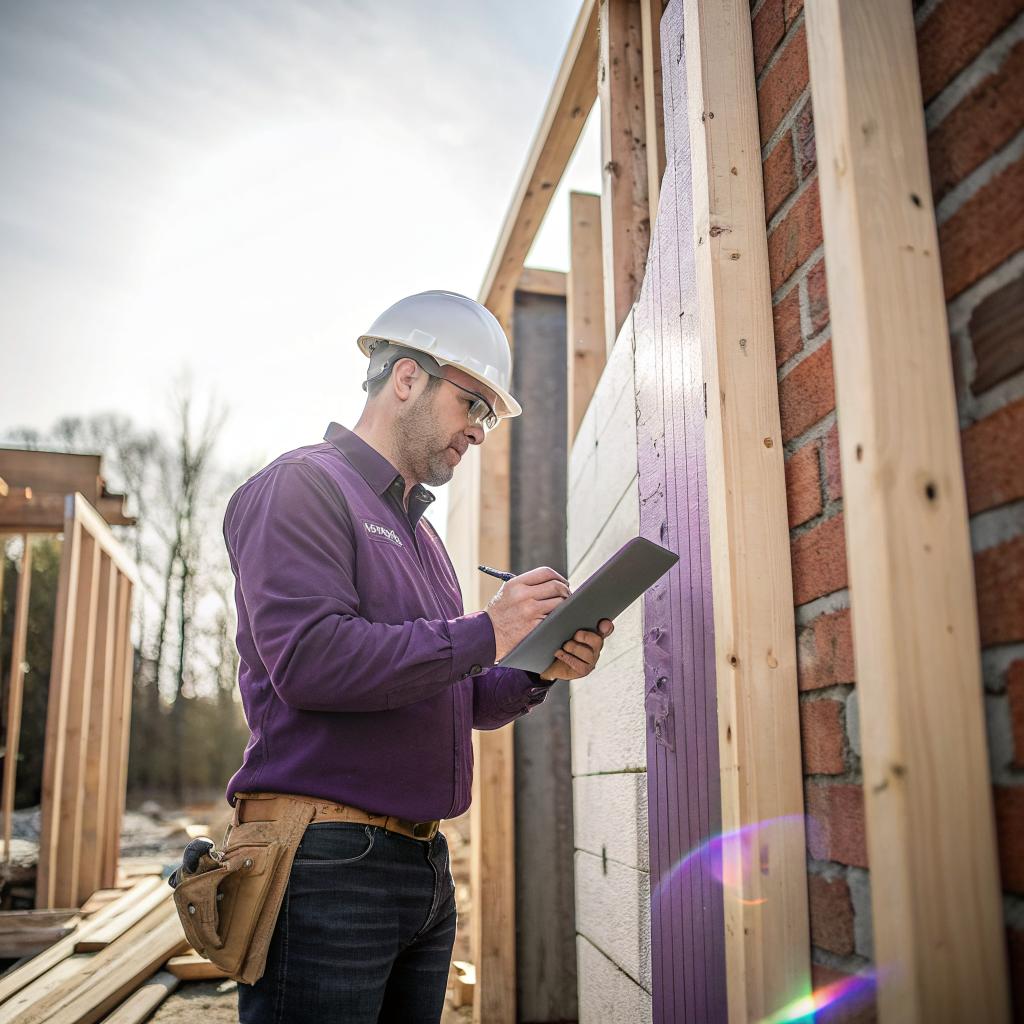
What if I told you the people most obsessed with old brick, hand-cut trim, and creaky porch steps are often the same people flying drones over job sites and walking around in smart goggles?
That mix is exactly what you get with many general contractors Lexington KY. They are using tech to protect and extend traditions, not erase them. That is the short version. They use software, scanners, and planning tools to save time and prevent mistakes, then they spend that saved time on the things that actually give a home or building its character: the wood, the brick, the light, the lines, the way it feels to walk through the front door.
So if you care about nostalgia, evolution, and technology, this is one of those quiet places where all three meet. Old houses. New tools. And a lot of judgment calls in between.
Why tech has not killed traditional craftsmanship in Lexington
Let me start with something that might sound odd: most Lexington contractors I have seen are not in love with tech. They are in love with what tech lets them avoid.
They do not want endless rework.
They do not want five drywall repairs because a pipe was in the wrong place.
They do not want angry calls because a 1910 trim profile got cut too short.
They use tech to reduce those headaches so they can spend more time on the work that actually needs human hands and eyes.
Tech is not replacing the craft. It is shrinking the chaos around the craft so the craft can survive.
That might be a little grand, but it is true in a very plain way. If a contractor can use a phone app to track materials and avoid one forgotten order, that is hours saved. Those hours can go toward:
– Scribing new baseboards to match an old, uneven floor
– Tweaking stair proportions so they feel right instead of just “meeting code”
– Finding a brick that looks like it has been there for 80 years, not 8 days
So the tech is not the star. It is more like the quiet background work that keeps the project from falling apart.
Lexington is a test case for nostalgia plus new tools
Lexington is interesting because you have:
– Historic homes with detailed woodwork
– Horse farms with long, low barns and classic lines
– Subdivisions built in the 80s and 90s
– New builds that try to look “old” on the outside and very modern inside
That mix forces contractors to jump between eras. In the same week, someone might:
– Restore an old staircase in Chevy Chase
– Finish a modern basement theater in Hamburg
– Frame a barn-style event venue outside town
So they need tech that handles planning and coordination, but they also need the judgment to know when tech should step aside so tradition can lead.
How planning tech helps save old details instead of erasing them
The first place tech shows up is not dramatic. It is in planning. Drawings. Measurements. Schedules. Not the romantic stuff. But this is where many old details are either protected or lost.
3D scanning instead of “good enough” measurements
Some contractors in Lexington use 3D laser scanners for older or more complex projects. It feels a bit sci-fi at first, pointing a device around a 1915 living room with plaster walls and weird angles.
But think about why that matters.
In an old house, almost nothing is square. Floors dip. Walls lean. Ceilings vary by half an inch from one side of the room to the other. If you rely on a tape measure and hope, you will be off. Those mistakes show up later as:
– Trim that does not meet at corners
– Gaps around cabinets
– Crooked tile lines near visible thresholds
When a contractor scans the space, they get a digital model with the real, imperfect geometry. Then they can lay out new work around those flaws instead of pretending the house is perfect.
The tech is there to model the imperfections, not erase them. That is what lets the old character survive the remodel.
So you get the best of both worlds:
– The house keeps its quirks
– The new work fits those quirks instead of fighting them
Building Information Modeling for small projects
People often think of Building Information Modeling (BIM) as something for big commercial jobs. High rises. Hospitals. That kind of thing.
But general contractors in Lexington sometimes use lighter versions of BIM on houses and small buildings. It can be as simple as a 3D model that shows where every pipe, duct, and wire goes.
Why does this matter for nostalgia fans?
Because older homes rarely have clean, predictable framing or open chases for mechanicals. A wall might hide a random beam. Or an older plumbing line that nobody documented. When you start cutting blindly, you risk:
– Damaging original plaster
– Cutting historic trim
– Breaking old brickwork
With a coordinated model, a contractor can route new systems through less visible areas. Maybe they shift a duct so it passes through a closet instead of a detailed wainscoted wall. The client sees almost nothing, and that is exactly the point.
Project management apps that protect your sanity
I know schedule apps and shared documents sound boring. But if you have ever lived through a remodel with no clear plan, you know how stressful it can be.
Many Lexington contractors now use:
– Shared calendars for start and finish dates
– Online portals where clients can see photos, change orders, and updates
– Group chats with the entire team on one thread
Is this ground-breaking tech? Not really. But it reduces miscommunication. When a detail about preserving original crown molding is written down, with a photo, in a shared system, it is much less likely to be lost between people.
The less time everyone spends saying “I thought you meant this,” the more time they can spend getting the details right.
For a site focused on nostalgia and tech, this is a quiet example of evolution. Nothing flashy. Just fewer dropped balls, more focus on the things worth caring about.
How contractors balance modern systems with old-house feel
Here is where the tension is strongest. People want:
– Old-home character
– Modern comfort
– Reasonable energy bills
Those three do not always get along. So contractors become referees between them.
Hiding tech in plain sight
One of the most common requests in Lexington is: “We want this to feel like an older home, but with all the modern systems.”
Some ways contractors manage that:
- Running mechanicals through attics and basements, not original plaster walls
- Putting air returns in less visible spots, like inside closets or in stair risers
- Using slim-profile vents that do not shout for attention
- Running low-voltage wiring behind baseboards instead of cutting into original brick or stone
This is where planning tech actually supports the nostalgic side. A duct layout drawn in software can test different routes quickly, so the contractor can pick the path that preserves more original material.
Smart homes that do not look like smart homes
Then there is the smart home question. Some people want full control from their phone. Others worry it will make their home feel cold or too “digital.”
In Lexington, you see a middle ground a lot:
– Smart thermostats hidden in less visible areas
– Smart lighting programmed to mimic warmer, softer light
– Security systems with discrete sensors instead of large wall boxes
The tech exists. But the visual impression stays simple and calm, closer to how older homes feel.
Here is an example. A client might ask for a modern audio system in an old living room with heavy wood trim. One path is to cut visible speaker holes and mount shiny grills everywhere. Another is to:
– Use in-wall speakers behind fabric panels that look like part of the decor
– Place small, wood-finished speakers on built-ins
– Hide wiring in the crawlspace and behind trim
Same music. Very different visual presence.
Energy upgrades without killing original character
Energy codes are stricter now than they were decades ago. This can conflict with preserving original details.
Here are a few ways Lexington contractors balance the two:
| Goal | Common “modern” approach | Blended approach for older homes |
|---|---|---|
| Better windows | Replace with new vinyl units | Repair original wood sashes, add weatherstripping and storm windows |
| Higher insulation | Fill all wall cavities with foam | Focus on attic and foundation insulation to avoid damaging plaster walls |
| Air sealing | Cover everything in caulk and spray foam | Seal key gaps while keeping original trim and casings intact |
| Heating and cooling | Large central system with big ducts | Smaller, zoned systems or ductless units placed away from key visual areas |
Again, tech plays a role in the calculations and planning. But the final decisions lean toward preservation when the client values that.
Basements, nostalgia, and tech in a tight space
Basements in Lexington are their own world. Old stone foundations. Low ceilings. Mixed moisture conditions. Some people want to turn them into home theaters, gyms, guest suites, or offices.
Here is where the conflict between nostalgia and tech can be sharper than upstairs.
The basement as a memory space
Many older basements carry strong memories. The smell. The cool air. The concrete or worn-out tile floor. For some people, sanitizing that into a fully drywalled, LED-lit space actually removes the charm.
So you see different approaches:
– Leaving select walls partially exposed instead of fully covering the stone or brick
– Keeping some original beams visible while still adding wiring and insulation between them
– Using warmer bulbs and simple fixtures instead of harsh, cool lighting
Contractors use moisture meters, dehumidification plans, and layout software, yet the final look might still echo a 1970s rec room, just refined.
How planning tools help avoid basement regrets
Basements are riskier areas. If you get moisture control wrong, tech or no tech, you get mold or damaged finishes.
Some of the tech-related steps Lexington contractors take:
- Running moisture and humidity testing before closing up walls
- Using layout tools to map where sump pumps, drains, and dehumidifiers will go
- Coordinating plumbing and electrical to avoid future conflicts when space is tight
That planning lets them protect old foundations instead of drilling or cutting them casually. It sounds mundane, but for anyone who cares about old structures, it matters.
Material choices: where nostalgia and tech argue the most
This is one of the most personal parts of a project. What materials do you actually touch and see every day? Wood, tile, brick, flooring. Tech influences choices here, but it should not bully them.
Old wood vs engineered products
Many contractors in Lexington will present both options:
– Solid wood floors that can be sanded and last decades
– Engineered floors with more stability and sometimes better resistance to moisture
From a pure performance angle, engineered often wins. Straighter. Less cracking. Better around kitchens and basements.
From a nostalgia angle, solid wood has its own pull. It ages. It can be refinished. It feels real underfoot in a way that is hard to explain but easy to notice.
A careful contractor will not just push the “smart” product. They will have a real conversation:
– How long do you plan to stay?
– Do you care about patina, or do you want a very consistent look?
– Are pets and kids going to be rough on the floor?
Here is a simple comparison that might help:
| Feature | Solid wood | Engineered wood |
|---|---|---|
| Look over time | Ages, can show wear and gaps | Stays more uniform |
| Refinishing | Can be refinished multiple times | Limited refinishing depending on wear layer |
| Stability | More movement with seasons | More stable in humidity changes |
| Historic feel | Closer to old homes | Closer to newer homes |
The tech side helps with product data, moisture readings, and install specs. The nostalgic side cares about the sound, feel, and how it will look in 20 years.
Tile, stone, and “fake” materials
There is a similar trade-off with tile and stone. Some products are porcelain made to look like marble or wood. Others are the real material with all its flaws.
Honest contractors will admit the trade-offs clearly:
– Real marble stains easier but has depth and irregularity that copies still struggle with
– Porcelain with printed patterns is more predictable and often cheaper, but sometimes feels a bit too perfect in an older house
You might be wrong if you assume “real” is always better. In a busy family kitchen, real marble might cause more stress than happiness. There, tech-shaped products can make sense.
But in a quiet hallway or a guest bath in an older home, real stone could be the choice that makes you smile every time you walk in.
How tools on site are changing, quietly
If you visited a job site in Lexington 25 years ago and one today, you would notice some subtle shifts. Not only in phones and tablets, but in what actually cuts, shapes, and joins the building parts.
From eyeballing to guided tools
You still see:
– Tape measures
– Chalk lines
– Levels
But now you also see:
– Laser levels that project straight lines across rooms
– Angle finders that read out precise degrees
– Bluetooth-measuring devices that send numbers right to a phone or tablet
This matters a lot in older homes where nothing is even. You can still “eyeball” work, but the tools help catch mistakes earlier.
For example, fitting new cabinets against a wavy wall. The carpenter can scan or measure the wall profile more precisely, then trim the cabinet scribe pieces so they hug the wall without huge gaps.
It is still skilled handwork. The tech just adds better reference points.
Prefabrication vs on-site craft
Another quiet shift is what gets built in a shop vs on site.
Some contractors will:
– Prefabricate trim assemblies, beams, or wall panels in controlled shop settings
– Use CNC routers for certain repeated pieces, like brackets or panels
– Then bring them to the site for final fitting and finishing
There is a fair debate here. Does this reduce the soul of the work, or does it protect accuracy so the final touches can be more careful?
I think the answer depends on how it is used. If prefabrication replaces all site thinking, the work can feel generic. If it does the repetitive parts so the carpenter can focus on the tricky transitions, then it can help.
You might notice a theme here: tech that protects time and accuracy is usually helpful. Tech that replaces all judgment is where things go flat.
Communication: maybe the most underrated tech shift
This part is less visual, but it might be more important than drones and scanners.
Less guesswork for homeowners
Years ago, many clients relied on faith and a couple of printed drawings. They had to imagine the final result in their head.
Now you often see:
– 3D renderings emailed or shared on a tablet
– Simple walkthroughs of the new layout
– Side-by-side comparisons of materials on screen
There are risks here. Perfect renderings can create unrealistic expectations. A digital image might show exact sunlight the house never actually gets.
But there are real benefits:
– People who are not visual by nature can “see” the new kitchen or porch more clearly
– Layout mistakes, like awkward door swings, are spotted before things are framed
– Clients can react earlier instead of after the drywall is up
The trick is honest framing from the contractor: “This is a guide, not a photograph of the future.”
Capturing the client’s nostalgia, not just their checklist
Many people who care about nostalgia struggle to explain what they want. They say things like:
– “I want it to feel like my grandparents house, but not dark.”
– “I like how older homes feel solid, not flimsy.”
– “I do not want everything to look brand new and shiny.”
No software can translate that perfectly. Contractors have to listen, ask follow-up questions, and sometimes push back.
For example, someone might bring a very glossy, white, sharp-edged cabinet sample and say they want “old house” character. A good contractor might say:
– “This is a nice door, but it reads very modern. Are you sure that is what you want, based on what you told me earlier?”
That willingness to disagree a little, or at least question, is not tech. It is human. But tech can help the discussion by:
– Showing photos of different styles side by side
– Comparing door profiles, colors, and hardware in a quick presentation
– Pulling up real project photos instead of vague descriptions
The messy middle: when tech and tradition fight
Not everything blends neatly. Some tensions stay.
Speed vs patience
One clear tension is time. Tech tools promise speed. Faster cuts, faster layouts, faster schedules.
Craft, especially in older homes, often needs patience.
– Stripping old paint without damaging the wood under it takes time
– Reworking an original door to seal better without replacing it takes time
– Finding materials that match old textures takes time
A contractor under pressure from timelines and software reminders can be tempted to replace rather than repair. That is not always wrong, but it can tilt projects away from preservation.
If you care about nostalgia, you might need to say directly:
– “I am willing to spend more time and money to keep these original pieces, if they can be saved safely.”
– “I prefer slower decisions on visible historic parts, even if the rest moves fast.”
That clarity helps the contractor balance the tech-driven schedule with the more careful work.
Data vs feel
Another tension: what the numbers say vs what your senses say.
Energy models, structural calculations, and product data sheets are all helpful. But if everything is driven only by numbers, you can end up with:
– Rooms that perform well on paper but feel cold or awkward
– Materials that wear perfectly but never develop any character
– Lighting plans that meet code but feel harsh
This is where contractors and clients have to admit something simple:
You cannot measure everything that makes a space feel right. At some point, someone has to walk the space, look, listen, and trust their gut a little.
Tech informs. It does not finish the story.
What this blending means for people who love nostalgia and tech
If you are drawn to both history and new tools, general contractors in Lexington give you an interesting case study. The work is not theoretical. It is wood, brick, drywall, copper, concrete.
Here is how I would frame the opportunity, if you are planning a project or just thinking about how homes evolve.
Questions to ask a contractor that reveal their balance
You do not need to quiz anyone on software names. Instead, you can ask questions like:
- “How do you handle projects in older homes where nothing is straight or level?”
- “If you find original trim or details behind a wall, how do you decide whether to keep or remove them?”
- “What planning tools do you use to avoid mistakes before you start building?”
- “Can you show me past projects where you updated systems but kept the historic feel?”
- “Where do you think tech helps, and where does it get in the way?”
Listen for hints that they:
– Respect original materials when possible
– Use tech to plan and coordinate
– Are willing to slow down for key details
– Are not blindly chasing the newest gadget
Where you might be taking a wrong approach
You might go wrong if you think:
– “More tech automatically means a better project.”
It does not. Beyond a point, more devices and systems can add complexity without adding comfort or character.
– “Authenticity means zero new tech.”
That can backfire too. Refusing better moisture control or planning tools can lead to damage that harms the very things you are trying to protect.
The more honest middle path is:
– Use tech where it reduces waste, prevents mistakes, or protects structures
– Rely on human craft and judgment for visible, tactile, and emotional parts of the home
Q & A: Can tech and tradition really share the same house?
Question: If I want a home that feels nostalgic but works like a modern one, do I have to choose sides between tech and tradition?
Answer: No, but you do have to choose priorities. Tech should handle the invisible support work: planning, measuring, routing, and coordination. Tradition should guide the parts you see and feel: materials, proportions, details, light. Ask your contractor where they use tech and where they rely on human judgment. If their answer leans too hard in either direction, that might be your signal to keep looking.
