

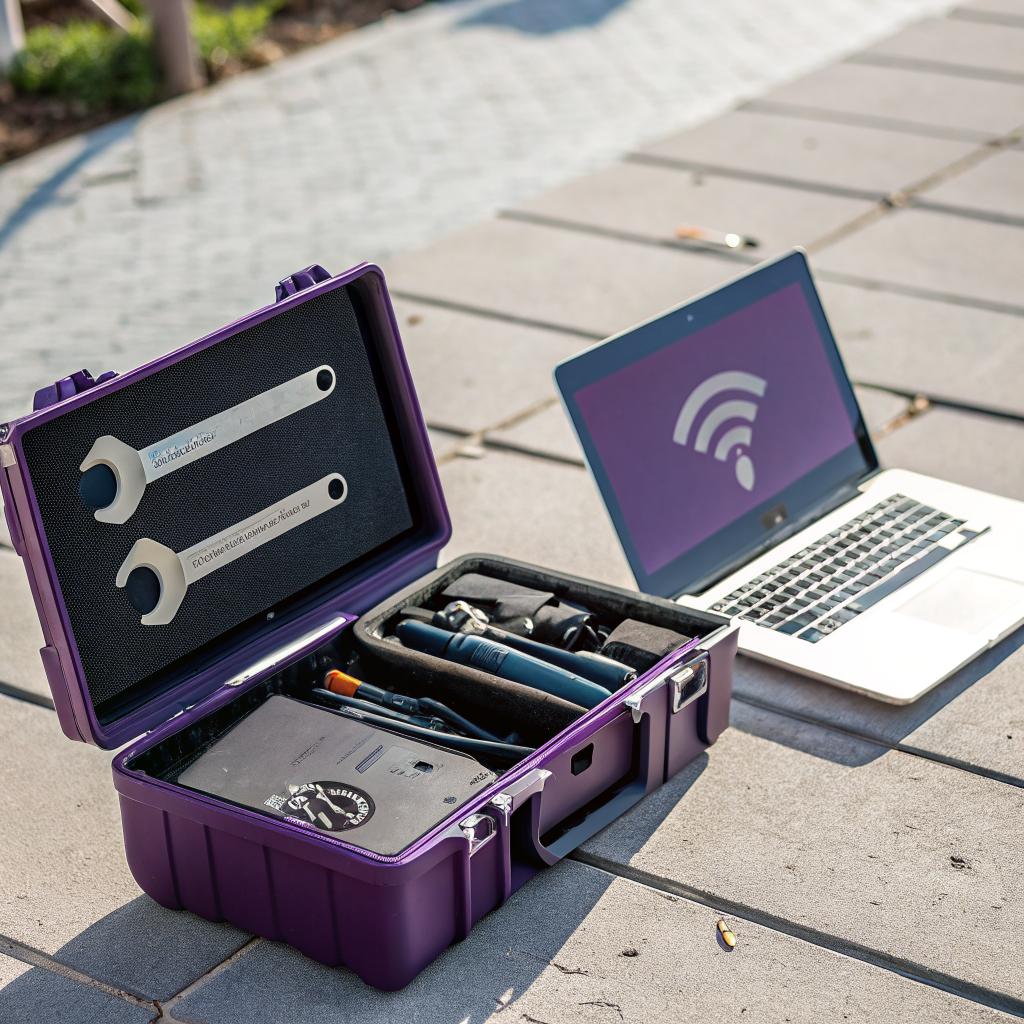
What if I told you that the average plumber in Littleton now spends almost as much time looking at a phone screen as at a pipe? Not texting, not scrolling, but reading data from leak sensors, video feeds from inside drains, and online manuals for smart water heaters. The old mental picture of a plumber with only a wrench and a flashlight is already out of date.
The short answer is this: plumbing in Littleton has quietly turned into a tech job. Mmodern plumbers Littleton CO uses cameras, Wi Fi connected devices, software, and digital records alongside those familiar hand tools. If you want a home that feels both nostalgic and future ready, you now have to think about pipes and routers at the same time.
That is the jump, right there. From wrenches to Wi Fi.
The strange mix of old pipes and new code
If you walk into a Littleton home built in the 1960s, you see copper pipes, maybe old cast iron drains, shutoff valves that feel heavy in the hand. Under the surface, though, the same house might have:
- Smart leak detectors under the water heater
- A Wi Fi connected irrigation controller
- An app controlled recirculation pump
- A learning thermostat talking to a smart water system
So you end up with this odd pairing. The plumbing itself might be older than you are, while the controls are newer than your last phone.
I remember standing in a basement where the main line was original, scratched and slightly green, but on the wall next to it sat a neat white hub with LED lights. The homeowner said, almost shyly, that they got a warning on their phone before they could even hear the drip. That quiet notification probably saved them from a flooded finished basement.
Old pipes now talk to new devices, and plumbers are the ones who have to translate between the two.
This is where nostalgia and tech meet in a way that feels almost strange. We still care about steady water pressure and a hot shower. We still worry about winter freezes. But the tools and habits have changed.
Some people love this shift. Others feel a bit tired of yet another app and another device. Both reactions make sense. Plumbing used to be invisible until something went wrong. Now it pushes alerts, graphs, and updates onto your screen.
From memory and instinct to data and logs
Ask an older plumber how they learned the trade, and you will often hear about repetition. They learned by:
- Listening for certain sounds in old homes
- Noticing slight color changes in water
- Feeling the temperature of a pipe by hand
- Remembering where builders in a certain era liked to hide shutoff valves
Today, those same instincts still matter. But they now sit alongside:
- Digital pressure readings
- Camera footage from inside the line
- Historical service logs in an app
- Error codes from smart fixtures
The job has shifted from “I think there is a blockage here” to “the camera shows a root intrusion 32 feet from the cleanout.”
For people who enjoy data, this is a pleasant change. For people who miss simpler days, it can feel like one more layer between the worker and the work.
I am not sure both sides will ever fully agree. Some will always trust their hands over any gadget, and some younger tech focused plumbers will trust a sensor first. In practice, the best work tends to come from people who use both.
Key tech tools that changed Littleton plumbing
At some point, it helps to list the main tools that moved Littleton plumbing from mostly mechanical to partly digital. It is not just one gadget. It is a slow stack of changes.
1. Video inspection cameras
These are the long, flexible cameras that go into drains and sewer lines. Many people only see the final image on a screen in the truck and do not think much more about it. But those grainy black and white or color feeds changed how plumbers diagnose problems.
| Before cameras | With cameras |
|---|---|
| Guess location of clogs by feel and flow | Measure distance to obstruction on screen |
| Dig or cut more than needed, just to be safe | Pinpoint small damaged sections for spot repair |
| Relied on trial and error with snakes and augers | See if roots, grease, or breaks are the cause |
| Little or no visual record for the homeowner | Record and share video for future comparison |
There is something a bit eerie about watching the inside of your own pipes. It feels almost medical. One homeowner in Littleton told me it reminded them of getting an X ray or MRI. That might sound dramatic, but the emotional reaction is real. You see the hidden parts of your house. It changes how you think about them.
2. Smart leak detectors and shutoff valves
This is where Wi Fi enters the picture in a direct way.
Battery powered sensors sit near:
- Water heaters
- Washing machines
- Under sink cabinets
- Floor drains in basements
When they sense water where it should not be, they send a signal. That signal might:
- Trigger a phone notification
- Sound a local alarm
- Talk to a main shutoff valve that closes automatically
For the first time, plumbing failures can send you a text while you are away instead of waiting quietly until your next visit home.
There is something almost ironic here. We carry tiny supercomputers in our pockets that can recognize faces and play high quality video, and one of the most useful things they can do is simply tell us that water is on the floor.
Does every house need this? Maybe not. There is a point where people get tired of setting up yet another device. Some prefer the old habit of regular visual checks, especially in smaller homes.
Still, in a town where winter freezes and aging water heaters cause costly damage, these systems have moved from novelty to common sense for many.
3. Connected water heaters and recirculation systems
Hot water used to be a simple on or off idea. The tank either worked or did not.
Now common setups include:
- Tankless water heaters with digital controls
- Recirculation pumps that keep water hot at distant fixtures
- Scheduling by phone app to match your routine
- Energy use tracking in graphs and reports
From a nostalgia angle, not everyone likes this. Some people feel that they should not need to “log in” just to change water temperature. There is something comforting about a simple dial and a pilot light you can see.
But there are clear tradeoffs:
| Old style tanks | Smart or tankless units |
|---|---|
| Simple mechanical controls | Apps and digital interfaces |
| Higher standby heat loss | Better control of timing and usage |
| Hard to monitor wear and tear | Error codes and maintenance alerts |
| Shorter expected lifespan in many cases | Longer service life when maintained well |
Many Littleton plumbers now find themselves explaining Wi Fi setup steps and firmware updates, which is not what they signed up for when they first picked up a pipe wrench.
How this tech shift changes the plumber’s day
If you talk with people in the trade, they will often say something like: “I still fix leaks. I still clear drains. That part is the same.” But their day looks different in small, constant ways.
Digital scheduling and route planning
Work used to come through:
- Phone calls to the office
- Paper notes on a clipboard
- Addresses written down in a truck
Now it tends to look more like:
- Jobs booked online by homeowners
- Text reminders with time windows
- Tablet based work orders with photos attached
- Navigation apps adjusting routes for traffic
None of this changes how a valve is soldered. But it does change how many people a plumber can reach in a day and how predictable visits feel from the homeowner side.
Some older plumbers do miss the quiet of fewer messages. The pressure to reply quickly, update statuses, and keep everything in sync can feel a bit relentless.
Training: from pure apprenticeship to constant learning
There is still a strong culture of learning from older workers. That part of the trade has not vanished. But now, apprentices and experienced plumbers alike also spend time with:
- Manufacturer webinars and videos
- Online technical forums
- Digital manuals on tablets instead of binders
- Software updates that can change behavior of installed devices
This has a strange side effect. A plumber who has been in the field for 25 years might need to ask a newer colleague for help with a smart valve, while the younger worker asks them in turn about an old galvanized line from the 1970s.
It turns into a two way street: experience with aging systems going one direction, comfort with connected devices going the other.
Customer expectations and transparency
In the past, you might get a brief phone call: “We fixed the clog, you are all set.” That was normal. Today, many homeowners expect:
- Before and after photos
- Video of the inside of pipes
- Written descriptions of what was done
- Clear price breakdowns shared by email
Some of this is positive. It can build trust. You see what was wrong and how it changed.
But there is also a small loss. The old trust, based on a handshake and a local reputation, gets crowded by formal reports. It feels more official, but also more distant, at least to some people.
How nostalgia and tech tension show up in real homes
If your interests lean toward both older tech and new, Littleton plumbing offers a strange little case study. You can stand in one room and see three different decades of thinking pressed together.
The 1970s tri level with smart gadgets
Think of a typical tri level house in Littleton. Many started with:
- Original copper or galvanized supply lines
- Cast iron or early PVC drains
- A basic tank water heater
The same house now might have:
- A smart thermostat talking to a high efficiency boiler
- Wi Fi leak detectors under every sink
- Smart sprinkler controls tied to weather data
- Remotely controlled garage and entry systems
The plumbing sits somewhere between. Old main lines with new shutoff valves. Traditional hose bibs with frost free replacements. Digital sensors on pipes made long before anyone imagined that use.
You get this feeling that the house is halfway in a previous era and halfway in the next. Some people like that. They enjoy having a story to tell about each update. Others feel caught in a constant state of “almost done” as new products keep appearing.
Cabin style homes and the “no Wi Fi in the woods” idea
Littleton has people who really do not want connected systems. They moved away from dense areas to avoid constant signals and screens. For them, resetting a smart valve through an app feels like the opposite of the life they wanted.
Plumbers working on these homes see a different kind of nostalgia.
The owners often prefer:
- Manual shutoff valves
- Gravity fed systems when possible
- Simple well and septic setups
- No internet links in mechanical rooms
Yet even in these cases, tech creeps in. Insurance discounts for monitored leak systems can be tempting. Remote cabins might use satellite connections for safety anyway. Over time, even the most resistant setups pick up at least a few sensors.
There is no neat right or wrong here. Wanting fewer devices is not foolish. Wanting more detailed monitoring is not shallow. The tension itself is part of how our relationship with tech is changing.
What this means for you as a homeowner
All of this may sound interesting in theory, but it always comes back to simple questions:
Are you more protected against leaks and failures than before?
How much complexity are you comfortable bringing into your house?
Questions to ask before adding more Wi Fi to your plumbing
If you are the kind of person who likes lists, here is one that might help decide which tech is worth your time.
- What real risk am I reducing?
A finished basement with expensive flooring has different needs than an unfinished space with concrete. - Who will manage the system long term?
If only one person in the home knows the app password, what happens if they are away? - Can this device work in a simple way if the network goes down?
Manual override on shutoff valves, for example, matters a lot during outages. - Will a future plumber be able to service or replace it without special access?
Some proprietary systems can be frustrating a decade later. - Does this technology fit my own habits?
If you already silence half your alerts, another notification might not help.
There is a risk of chasing tech for its own sake. Not every plumbing issue needs a cloud platform.
A good rule of thumb is that technology in your plumbing should either prevent big damage or make real daily routines easier, not just add one more app icon.
If it does neither, you can skip it without guilt.
Simple upgrades that balance old and new
You do not need a fully connected “smart home” to benefit from modern plumbing ideas. Some changes are relatively small, and they blend well with older houses.
Some examples:
- Installing a main shutoff valve that is easy to reach and clearly labeled
- Adding one or two leak sensors in the most vulnerable spots like under the water heater
- Using a basic timer or smart plug on recirculation pumps instead of a full app suite
- Choosing fixtures with manual controls that still meet modern water use standards
These choices keep the heart of the house simple while still reducing the chance of surprise disasters.
Where Littleton plumbing tech might go next
Predicting the future of any trade is tricky. But a few trends seem likely.
More sensors, quieter alerts
Sensors will probably keep getting cheaper and smaller. Instead of a handful of obvious devices, we might see:
- Moisture sensing in baseboards
- Built in monitoring in new pipes
- Pressure sensors at multiple points in a system
The catch is alert fatigue. Too many alarms and people start to ignore all of them. So the focus may shift toward smarter, rarer alerts that only speak up when something truly serious is happening.
Better mapping of your home’s hidden systems
Right now, many homeowners have no clear map of their plumbing. They guess where lines run behind walls.
Future tools could offer:
- 3D scans that show rough pipe routes
- Digital “house passports” stored with the home records
- Shared data that future plumbers can access with permission
There is a privacy angle here that not everyone will like. Not all people want detailed house data stored in any cloud. That concern is reasonable and should not be brushed aside.
Still, for repairs and remodeling, having a clear picture of where everything is would save time, money, and walls.
The human side: respect for trades as tech work
As more tools, software, and connected devices enter the trade, it might finally shift the way people think about plumbers.
They are not just “pipe fixers.” They are also:
- System designers
- Network aware technicians
- Data interpreters for your home’s water use
Yet the core of the job is still physical. It is still hands on. It still involves cold crawlspaces, heavy tools, and mess that no app can clean up.
That blend of digital and physical work is part of what makes this evolution interesting. It is not clean. It is not purely polished. It is a bit like an old house with new wiring running through it: practical, slightly awkward, and very real.
Questions people often ask about Wi Fi and plumbing in Littleton
Do I really need Wi Fi connected plumbing devices?
Probably not in every case. If your home has minimal water damage risk and you are at home most of the time, simple mechanical systems can be enough. Wi Fi devices become more useful when:
- You travel often
- You have a finished basement or valuable items at risk
- You have older pipes and a history of leaks
They are tools, not requirements. The right amount of tech depends on your actual risk and your patience for managing devices.
Will all this tech make repairs harder later?
It can, if systems are overly complex or use closed, proprietary parts. A good approach is to ask any plumber installing smart gear:
- Can this still be operated manually if the electronics fail?
- Are replacement parts likely to be available in 10 years?
- Will another plumber be able to understand this system without special brand training?
If the answers feel vague, that is a hint to reconsider.
Is older, “dumb” plumbing safer from hacking and glitches?
In one sense, yes. A manual valve cannot be hacked. It also cannot help you from far away. Digital risk is the tradeoff you accept when you invite anything with Wi Fi into your home.
The way to handle this is not fear, but restraint and clarity:
Choose a few well made devices that solve clear problems, keep their software updated, and keep the rest of your system as simple and mechanical as makes sense.
The nostalgic side of you might miss the days when a wrench and a bucket were all that showed up in a plumbing truck. The curious, tech interested side of you can appreciate live video from inside a pipe 60 feet under your lawn. Living in Littleton now means holding both images at once.
