

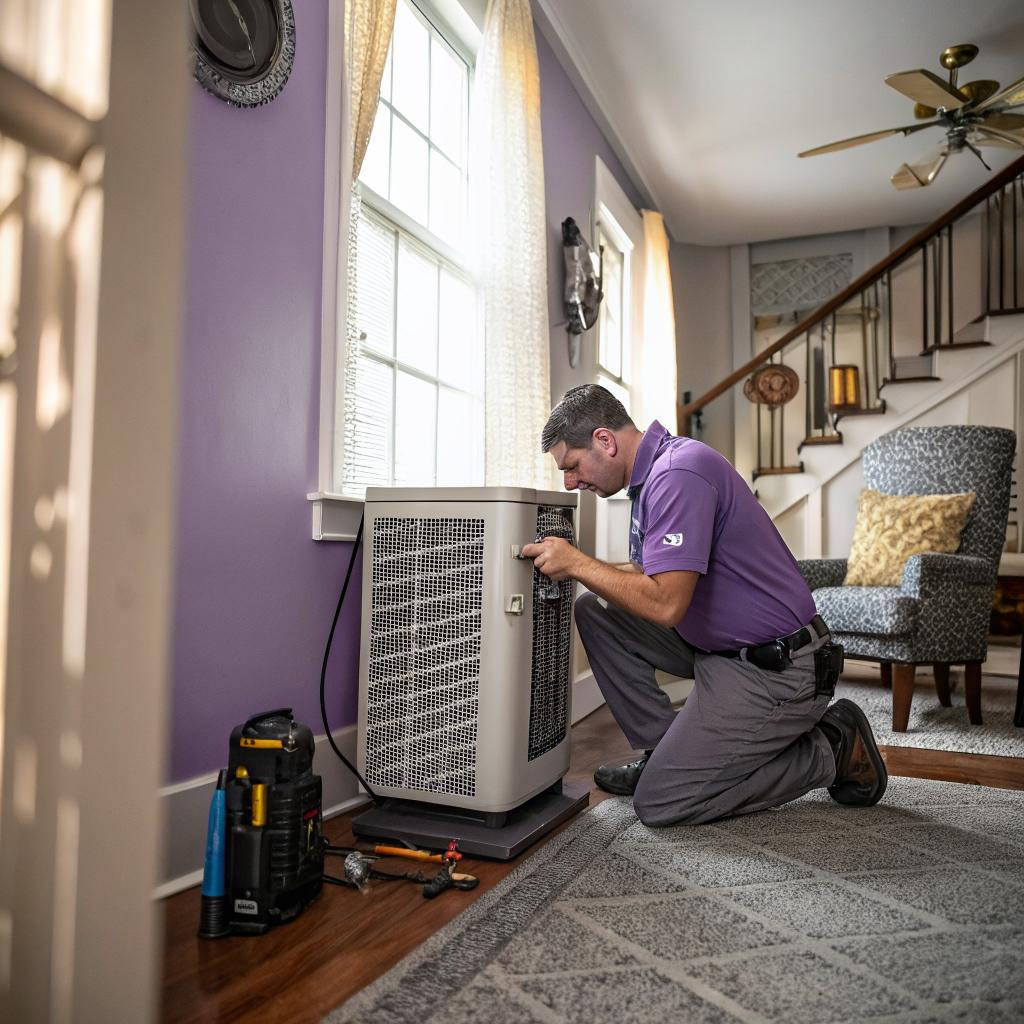
What if I told you that the biggest threat to your charming vintage home is not leaky windows or an old roof, but the wrong HVAC contractor with a big, shiny unit and a cookie-cutter plan?
The short answer: a careful, experienced HVAC services Valparaiso keeps vintage homes comfy by sizing systems correctly, protecting old materials, keeping ductwork subtle, and pairing modern controls with existing quirks instead of trying to erase them. When it is done well, you can have stable temperatures, better air quality, and lower bills without gutting plaster walls or hiding every trace of the past.
Now, let us go deeper and talk about how that actually looks in a real house, not in a brochure.
Why vintage homes and modern HVAC often clash
There is a simple tension here. Old houses were not designed for central air or forced air heating. They were designed for draft, chimney heat, open windows, and sometimes radiators. New HVAC systems expect tight construction, insulated walls, and straight duct paths. Those assumptions collide.
I have seen three patterns repeat in older Valparaiso houses:
Many comfort problems in vintage homes start when someone forces a modern HVAC system into an old shell without respecting how the house was built.
Common conflicts:
- Oversized equipment short cycles and leaves rooms uneven.
- Ducts cut through plaster, beams, or trim, weakening structure and style.
- Original features get sealed or removed, then the house stops “breathing” and moisture builds.
You might already feel this at home:
– One room is freezing while another is stale and warm.
– The system runs often but humidity never feels right.
– Your energy bill looks like you own two houses, not one.
A good local HVAC tech who cares about older homes will read your house like a story. They pay attention to odd floor plans, thick walls, small chases, and even past repairs that left scars. It is less about forcing a system in and more about threading it through what is already there.
The first step: a real inspection, not “what size unit did the last owner have?”
If a contractor walks in, glances around for five minutes, and immediately recommends a ton rating based on square footage alone, that is a red flag. Vintage homes vary too much.
A careful check usually covers:
- Age and type of insulation in walls, attic, and sometimes floors
- Window condition, storms, and air leaks around frames
- Existing ducts, radiators, or old floor registers
- Attic, crawlspace, and basement access for potential runs or equipment
- Rooms that are regularly used versus rooms that are more for show
Many older houses in Valparaiso have:
– Mixed construction, like an original section plus a later addition.
– Half-finished basements or enclosed porches.
– Brick or stone walls that behave very differently from modern framing.
So a simple “X square feet equals Y ton unit” guess is often wrong.
Right-sized HVAC is not only about square footage, it is about how your particular old house leaks, stores, and moves heat.
This is where a Manual J load calculation really matters. It is a bit technical, but in short, it estimates exactly how much heating and cooling your home needs based on:
– Orientation to the sun
– Window area and type
– Insulation levels
– Air leakage
– Occupancy
– Internal heat from appliances and lights
Is it time consuming? Yes. Is it overkill? Not for a 90-year-old house with original windows.
Repair vs replacement: when old equipment still has life
People sometimes jump to full replacement because they assume old equals bad. That is not always true. Some older furnaces and boilers were built with heavy materials and simple controls that can last decades with correct care.
The trick is to decide when repair is smart and when it is just buying time in a bad way.
Questions a careful HVAC tech will ask
- How does the current system behave on the hottest and coldest days?
- Are repairs recurring in the same area, like the blower motor or heat exchanger?
- Is the equipment safe, especially with gas and exhaust?
- What is the current energy use compared to similar homes?
- Do you plan to keep the house long term?
If your vintage home has a solid boiler feeding old cast iron radiators, a good tech might suggest:
– Modern controls
– A new pump
– Zoning with thermostatic radiator valves
Instead of ripping it all out, which often makes comfort worse, not better.
Sometimes the “vintage” heating system is not the problem; it is the missing controls, missing insulation, or bad duct guesses added later.
For central air, things get more complex. Old ductwork may be undersized, leaky, or badly placed. In that case, repairs alone may not solve comfort issues, and a more modern set of upgrades makes sense.
Ductwork in vintage homes: the quiet troublemaker
If you have comfort problems, ducts are often the main suspect. Unfortunately, they are also the parts you rarely see.
In many older Valparaiso homes, ducts were added long after the house was built. That can mean:
| Common duct issue | What it feels like day to day | Better approach |
|---|---|---|
| Too small or too few return ducts | System sounds loud, rooms starve for air, temperature swings | Add or enlarge returns, balance airflow room by room |
| Leaky ducts in attic or crawlspace | High bills, dust, weak airflow at far rooms | Seal with mastic, sometimes re-route or replace worst runs |
| Long duct runs with many sharp turns | End rooms always too hot or too cold | Shorten path, add dedicated branches, smooth bends |
| Supplies not placed with furniture or layout in mind | Drafts on seats, one side of room comfy, the other wrong | Relocate or add diffusers, adjust grilles and dampers |
A skilled HVAC crew will often treat ductwork as the main project, not the side project. I think that is hard to accept sometimes, because a shiny new outdoor unit feels like “more value” than new metal hidden in walls.
But if you think about comfort, noise, and air quality, ducts matter more than the box outside.
Hidden routes: how good crews snake air through old bones
One of the reasons some owners give up and settle for window units is fear of wrecking plaster or trim. That fear is valid. Lazy duct runs can ruin crown molding, baseboards, and even original doors.
An HVAC company that cares about vintage houses looks for clever paths:
- Inside closets, stacked floor to floor
- Behind built-ins where a bit of modification is less visible
- Through attic space with small vertical chases into ceilings
- Using existing chase from old plumbing or chimney gaps, when safe
Small high-velocity ducts can work well in some older homes. They use flexible, narrow tubes that can slip through tight spaces. There are tradeoffs in noise and cost, and they are not right for every layout, but they can slow down the demolition.
It is not always perfect. There might be one or two spots where a soffit or boxed beam is needed. The key is that these choices are thoughtful and explained, not random cut-and-patch.
Balancing nostalgia, evolution, and technology in your living room
If you care about old houses, you probably care about how they feel and sound as much as how they look. HVAC touches all of that.
I like to think of it in three overlapping ideas.
Nostalgia: keep the character, not the drafts
Many people want to keep:
– Original radiators
– Plaster walls and ceilings
– Classic vents or grilles
You can often refinish an old vent cover or paint a radiator rather than remove it. Some owners leave a non-working grate or register in place just for history and hide the modern supply in the ceiling.
Keeping character might mean:
– Slightly more visible duct in a basement instead of cutting through a decorative arch.
– Accepting one room that is a degree warmer or cooler in exchange for saving original wood paneling.
That trade can feel emotional, but it is honest.
Evolution: make the house match how you live now
Our routines are different from the people who first lived in these homes. We have more devices, less tolerance for open windows on noisy streets, and often work from home.
You might:
– Use one room as an office all day while others sit empty.
– Sleep with doors closed for privacy or security.
– Host more people in one big dining or living area than the original owners did.
HVAC zoning fits into that change. Instead of one thermostat that guesses at comfort, you can split the house:
- Upstairs and downstairs zones
- Main living zone and bedroom zone
- Separate control for an addition or enclosed porch
This reflects how you live, not how the floor plan was drawn in 1925.
Technology: smarter, not flashier
You do not need the most complicated smart thermostat on the market. What helps more is a control system that matches your habits.
Some quiet upgrades that pair well with vintage homes:
– Programmable thermostats that learn when you are usually out
– Remote sensors in problem rooms to average temperature
– Simple phone control if you travel often or own a second property
These are small steps, but they tie the old shell of the house to modern patterns. That connection matters more than fancy touchscreens.
Humidity, drafts, and the strange physics of older walls
Comfort is not only temperature. Vintage homes in Valparaiso fight humidity in summer and dry air in winter, often in a more extreme way than new builds.
Summer moisture
Thick walls and brick can hold heat and slowly release it, so evenings can feel muggy indoors even when outside air cools.
A good HVAC setup handles this with:
- Correct AC sizing so the system runs long enough to pull moisture from the air
- Variable speed blowers that slow down and improve dehumidification
- In some cases, a dedicated dehumidifier tied into the ductwork
If your unit is too large, it will satisfy the thermostat quickly, shut off, and leave sticky air behind. Many owners confuse that with “weak cooling,” but it is more an issue of moisture, not temperature.
Winter dryness and drafts
Older windows and gaps can make certain spots miserable. You sit near a wall and feel cold radiation, even if the thermostat says 70.
Here, the answer is rarely just “bigger furnace.” Instead:
– Targeted air sealing in obvious leak spots
– Modest upgrades like storm windows
– Balancing supply and return air so rooms do not feel like wind tunnels
If the air is very dry, a whole home humidifier may help, but it has to be set and maintained carefully to avoid condensation in walls or on windows. Again, the building materials are different from new homes, so moisture paths are different.
Retrofits that respect both past and future
There are a few retrofit paths that show up a lot in older Valparaiso homes. None are perfect. Each has strengths and tradeoffs.
1. Traditional furnace and AC with upgraded ducts
Good when:
- Basement and attic access is decent
- You do not mind some careful drywall repair
- You want familiar controls and maintenance
Pros:
– Known technology
– Can support zoning
– Works with air filtration and dehumidification
Cons:
– Ducts take space
– More disruption during install
– Needs regular filter changes and duct checks
2. Ductless mini-split systems
These use small outdoor units and slim indoor heads mounted on walls or ceilings.
Good when:
- Duct routes are very limited
- You want room-by-room control
- You are okay with visible indoor units
Pros:
– High efficiency
– Great zoning and control
– Less invasive to walls and ceilings
Cons:
– Some people dislike the look of wall cassettes
– Needs careful placement to fit aesthetics
– May not match the style of very formal rooms
3. High-velocity small-duct systems
These use compact ducts and deliver air at higher speed.
Good when:
- You care a lot about preserving ceilings and trim
- Attic or crawlspace access is reasonable
- You are ready for a higher upfront cost
Pros:
– Tiny ducts fit in tight spaces
– Less visible work in finished rooms
– Can mix well with existing heat like radiators plus added cooling
Cons:
– Noise control needs skill
– Not every contractor is comfortable designing these
– Parts and service may require specific suppliers
No system saves a bad design. Choosing between these paths matters less than how carefully the contractor sizes, routes, and controls them.
The human side: living through HVAC work in an old house
It is easy to talk about systems and forget the fact that someone has to live there while all this happens. Vintage homes are rarely empty during work. That adds stress.
Good HVAC crews in older homes usually:
- Plan work in phases room by room so parts of the house stay usable
- Use more drop cloths and covers because dust in old plaster is no joke
- Explain up front which ceilings will be opened and how they will be patched
- Label new vents and returns clearly so balancing later is easier
If you have original floors, you may want temporary floor protection and a clear walking path. It sounds small, but dragging tools across 100-year-old wood can do more “damage” to your sense of place than any duct.
Also, expect some noise and some surprises. You cannot see inside walls until they are opened. You might find:
– Old knob-and-tube wiring
– Abandoned pipes
– Hidden damage from past water leaks
A good contractor does not hide these discoveries. They stop, show you, and help decide the next step. That pause can slow the schedule, but it usually prevents bigger trouble.
Cost, comfort, and energy: the trade triangle
There is no perfect answer on cost. Still, you can think about three corners of a triangle:
| Focus | What you get | What you give up |
|---|---|---|
| Lowest upfront cost | Basic equipment, fewer ducts changed, quicker install | Higher energy bills, some hot/cold spots remain |
| Best comfort | Zoning, careful duct redesign, humidity control, noise control | More work, higher install cost, more planning |
| Best energy performance | High-efficiency equipment, air sealing, maybe insulation upgrades | Upfront spend, sometimes hard choices about access and finishes |
You can sit somewhere in the middle. Maybe you accept slightly higher bills to preserve more plaster. Or you invest in better ducts now so you can replace equipment more easily later.
The key is to be honest about your priorities. Do you plan to stay long term? Do you care more about monthly bills or about original trim? A good HVAC company in Valparaiso will not push a single “one size fits all” path but will talk through this triangle, even if it makes the sale slower.
Small habits that keep your vintage home comfy year after year
Once the system is in, comfort is not “set and forget.” Vintage homes shift a bit over seasons.
Some simple habits help:
- Change filters on schedule, more often if you have pets or old vents
- Keep furniture a few inches away from supply vents and returns
- Use ceiling fans on low to smooth out temperature layers, especially in tall rooms
- Pay attention to new noises from ducts or equipment and do not ignore them
- Have annual service checks, not just repair visits when something breaks
You might notice you tweak thermostat schedules a few times during the first year. That is normal. The house is learning your patterns, and you are learning how it behaves with new equipment.
Some owners keep a simple notebook with seasonal notes:
– “Front bedroom warms up too much in late afternoon, spring.”
– “Basement feels clammy in early fall even when upstairs is fine.”
Sharing these details with your HVAC tech on the next visit gives much better guidance than “it feels off sometimes.”
Questions homeowners often ask about vintage homes and HVAC
Can I keep my radiators and still add central air?
Yes, in many cases. A common setup is:
– Keep boiler and radiators for heat
– Add central air or mini-splits just for cooling
This respects the quiet, even warmth of radiators while fixing summer comfort. Controls can be simple: one thermostat for heat, one for cooling. The main challenge is routing cooling ducts or placing indoor units without harming finishes.
Will new HVAC ruin the historical value of my home?
It can if done poorly. Large soffits, cut trim, or removed original grilles can hurt value and charm. On the other hand, buyers often expect decent comfort. Systems that are neatly tucked into existing chases, with minimal changes to visible surfaces, usually support value. If you are in a historic district, some exterior equipment placements may need review, but that is manageable with planning.
Is it worth investing in high-efficiency equipment in an old, somewhat leaky house?
This is where some people get it backward. They buy very high-efficiency equipment but skip basic air sealing or insulation. The better path is often:
– Moderate efficiency equipment, correctly sized
– Focused air sealing in obvious gaps
– Reasonable insulation upgrades in attic and basement areas
Then, when the house is a bit tighter, the equipment performs closer to its rated numbers. You do not have to chase the absolute highest rating if it forces other sacrifices that do not fit your home or budget.
If you stand in your hallway and feel that mix of creaking floors, old trim, and a quietly humming vent, you are living right at the point where nostalgia, evolution, and technology meet. Getting comfort right in a vintage Valparaiso home is not about erasing the past, it is about letting new systems work with it.
What is the one change you could make this year that would make your vintage home feel more comfortable, without losing the character that made you love it in the first place?
