

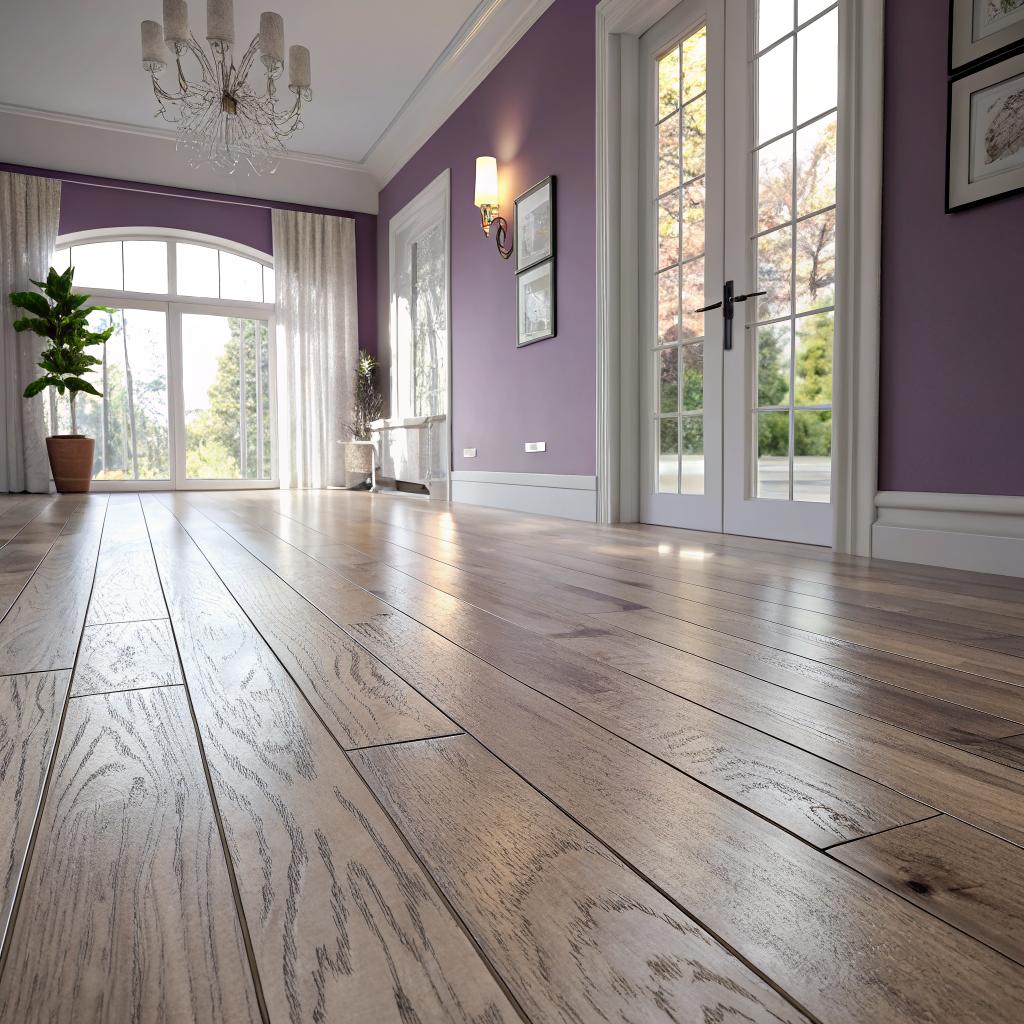
What if I told you the floor under your feet might be the most nostalgic piece of technology in your home?
Not your phone, not your smart speaker. The quiet, creaking hardwood that has seen more of your life than some of your friends. And if you pick carefully, that old-world feeling can live inside a very modern, very connected home without looking like you rescued it from a grandparent’s attic. That is really what a company like Independent Hardwood Floor tries to solve: keeping the memory and warmth of classic wood while matching the clean lines, smooth finishes, and digital habits you live with now.
That is the short version: you can have both. You can keep the nostalgia in the material and the story, while updating the layout, stain, finish, and even the way the floor interacts with your lights and heating. The trick is to be clear on which parts of “old” you actually miss, and which parts you are happy to leave in the past, like orange varnish and paper-thin top coats that scratch when you slide a chair.
I think many people feel that tension and do not quite have words for it. They like the look of those worn boards on Instagram, but they also want a house that feels sharp and minimal, maybe with a lot of glass and metal. That is where this mix of nostalgia, evolution, and technology comes in. Hardwood is not static. It has changed with how we live, how we build, and how we connect all our devices, even if the change is slower than in your phone.
Why hardwood feels nostalgic in the first place
If you ask someone what they remember about their grandparents house, they will usually mention something small. The smell in the hallway. The way the floor squeaked next to the sofa. The light hitting a certain part of the living room in the afternoon.
Hardwood floors sit quietly under all of that.
Hardwood is one of the few parts of a home that can outlive several generations without becoming obsolete.
Carpets get replaced. Sofa styles come and go. Kitchen tiles follow trends. But a solid oak floor can be sanded and finished again and again. That long life changes how we feel about it.
There are a few reasons wood carries so much memory:
– It ages in public. Scratches, small dents, color shifts from sunlight. You see the years.
– It is tied to sound. Steps, pets, dropped toys. The floor is part of the soundtrack of a home.
– It reacts to seasons. Boards expand and contract. Sometimes you hear it. Sometimes you see small gaps in winter.
For people who like technology, this is almost the opposite of how your devices behave. Phones, TVs, smartwatches keep chasing “new.” When they age, we call them outdated. When wood ages, we often call it character.
This is where things get a bit tricky. We like the idea of character, but we do not always like living with actual flaws. Deep grooves, splinters, wobbling boards. Most people do not want that. So the question turns into something more practical:
How do you keep the emotional comfort of old floors without dragging every old problem along with you?
Where modern design changes the conversation
Modern interiors lean toward clean lines, fewer objects, and calm color palettes. That is not a fixed rule, but it is a clear trend. Open floor plans, larger windows, neutral walls, integrated lighting.
In that setting, the floor does a lot of visual work. It is one of the biggest surfaces in your home. It can either fight your design or quietly support it.
Here is where modern thinking shows up:
- We expect floors to connect spaces, not chop them into separate rooms.
- We want healthy indoor air, so finishes and glues have to be low in harmful chemicals.
- We move furniture more. We roll chairs and robots across the floor. Durability matters more.
- We mix materials. Metal, glass, concrete, fabric. Wood has to stand next to all of that and still look right.
A wide-plank oak floor with a subtle matte finish looks very different from a narrow strip floor with a glossy orange stain from the 80s. One feels like it belongs in an image of a current smart home. The other drags the room back to a specific decade.
What is interesting is that the wood might be the same species in both cases. The difference is in how we cut it, treat it, and finish it. That is where “nostalgia meets modern design” stops being a slogan and starts to look like a set of actual choices you need to make.
Old floors vs new floors: what really changed?
To make this more concrete, it helps to compare how hardwood flooring used to be installed with what is common now.
| Aspect | Traditional hardwood floors | Modern hardwood floors |
|---|---|---|
| Board width | Narrow strips, often 2 to 2.25 inches | Wider planks, often 4 to 8 inches or more |
| Finish sheen | Glossy or high sheen polyurethane | Matte or satin, low reflection |
| Color trends | Amber, orange, red tones | Natural, light, or rich browns, sometimes very dark |
| Installation method | Nailed to wood subfloor | Nailed, glued, or floating over various subfloors |
| Material type | Mostly solid wood | Mix of solid and engineered wood |
| Maintenance | Wax or traditional poly, more frequent buffing | Advanced finishes, stronger against wear and stains |
| Compatibility with tech | Not planned with underfloor heating or smart sensors in mind | Often chosen to work with heating systems and smart controls |
The wood itself did not suddenly leap into the future. Our methods, finishes, and expectations did.
Once you see that, you can start to pick which side of the table you want for each aspect. You might keep the idea of solid planks but choose a modern matte finish. Or you might like the narrow strip look as a nod to older homes, but pair it with a very quiet, natural stain.
People often talk in broad terms like “old floors feel warmer” or “modern floors feel cleaner.” Underneath those feelings are specific choices on width, color, texture, and sheen.
The three layers of nostalgia in hardwood
Nostalgia in flooring usually shows up in three layers. I do not think many people separate them in their head, but it helps.
1. Material nostalgia
This is about the species of wood and how it feels underfoot.
– Oak, maple, and walnut are common because many of us grew up around them.
– Pine floors are softer, they dent more, but they can trigger strong memories of older cottages or farmhouses.
– Exotic woods like jatoba or Brazilian cherry often scream “early 2000s remodel” for people who follow design.
If you want that gentle pull from the past without getting stuck in one dated look, staying with local species and calm grain patterns usually works best.
2. Pattern and layout nostalgia
Think of:
– Narrow strips running the length of a hallway
– Herringbone or chevron patterns in older city apartments
– Border inlays in formal dining rooms
These patterns tie to specific regions and time periods. A classic herringbone can fit in a very modern apartment if the stain is quiet and the furniture is simple. But a strong red-brown herringbone with ornate furniture can feel like stepping into a movie set.
So if you like a nod to heritage, you do not need to copy everything. You can use a traditional pattern in a calmer way.
3. Surface nostalgia
This is where texture and finish live.
People remember:
– The sound of a heel on a hollow board
– Slight dips between boards from past sanding
– A glossy reflection that made the floor look wet at night
Modern finishes mostly moved away from high gloss. They hide dust better and work better with big windows and screens. But if you miss the depth that comes from older films of varnish, there are hybrid finishes that give a bit more sheen without turning the floor into a mirror.
You can also play with surface texture:
– Wire brushed surfaces that gently expose grain, giving a sense of age
– Hand-scraped or distressed surfaces that mimic years of use
– Smooth, flat sanding for a more minimal look
Each choice pulls on a different memory. The goal is not to collect them all. It is to pick one or two that make your space feel familiar in a good way.
Where technology quietly enters the floor story
On a site focused on nostalgia, evolution, and technology, hardwood might seem like the low-tech side character. But there is more going on in that plank than it appears at first.
Here are a few places where tech plays behind the scenes.
Engineered wood and stability
Engineered hardwood has a top layer of real wood over layers of other wood products set in different directions. This makes the floor more stable against changes in humidity and temperature.
For homes with:
– Radiant floor heating
– Very dry winters from heavy heating
– Large windows with sunlight across the floor
This structure helps reduce cupping and gapping. Some purists insist on solid wood only, but modern engineered products with thick wear layers can be sanded several times. They look and feel like traditional planks once installed.
Here is a simple comparison.
| Feature | Solid hardwood | Engineered hardwood |
|---|---|---|
| Structure | Single piece of wood from top to bottom | Real wood top over layered base |
| Refinishing potential | Many times, limited by thickness | Several times if wear layer is thick enough |
| Reaction to humidity | More movement, more sensitive | More stable in varied conditions |
| Use over radiant heat | Needs careful planning | Often a better match |
So you can keep the nostalgic top layer while relying on a more engineered base to fit a current lifestyle. That is a small but meaningful use of technology.
Finishes that keep up with real life
Older floors often used wax or early polyurethane. They looked deep, but they could stain, scratch, and yellow with time.
Current finishes offer:
– Better resistance to water spots and mild spills
– Greater protection from scratches in busy rooms
– Tones that stay closer to the original wood color for longer
Some finishes are cured with UV light during manufacturing. Others are oil based, soaking into the wood and creating a different feel. This is where it can get a bit technical, but the bottom line is simple.
You can now choose how your floor fails over time: quietly and slowly, or quickly and dramatically.
A strong factory finish might chip if abused, but it will resist a lot of daily wear. A natural oil finish may show marks sooner, but it can often be spot repaired without sanding the whole room. If you like the look of an old floor that “just gets better” with use, that second path might suit you, even if it needs more periodic care.
Smart homes, old floors
Hardwood itself does not talk to your phone, but the environment around it does.
– Smart thermostats can keep temperature swings smaller, which reduces stress on the wood.
– Sensors can warn you about leaks near dishwashers, sinks, or washing machines. That reduces the risk of water damage.
– A robot vacuum can handle regular dust and grit, which slows down micro-scratches.
You might not install hardwood for these reasons, but they affect how long your floor looks good. In a way, technology acts as the quiet support team that protects the nostalgic part.
Finding your own balance between memory and minimalism
Let us say you like the idea of a floor that feels rooted in the past but still works with your current setup of screens, speakers, and clean lines. How do you get from vague feeling to clear plan?
A simple path is to ask three questions and be honest with your answers.
Question 1: What do you actually remember and like?
Not Instagram pictures. Not showroom floors.
Think back to actual places:
– Was it the color of your childhood living room floor?
– The sound it made?
– The way it changed near windows?
Write those down. You might find that you care far more about one aspect than others. If all your memories are around “it felt warm” and none around “it looked glossy,” then maybe a matte warm-toned finish is more important than a specific stain or pattern.
Question 2: How hard are you on your floors?
Be realistic, not ideal.
Do you:
– Wear shoes indoors
– Have big dogs
– Move furniture often
– Host large groups
If so, a very soft, light-colored floor with a delicate finish might frustrate you. In that case, keeping nostalgia mostly in the pattern or color, and choosing a durable finish, makes more sense.
If your home is quieter, a more delicate surface that ages with small marks can feel nice and lived in.
Question 3: How much future change do you expect?
Floors last longer than most decor decisions.
– Are you planning to change wall colors often?
– Do you like bold furniture or prefer calm pieces?
– Are you likely to sell the house in the next decade?
If resale matters, neutral, natural wood tones with simple layouts tend to age better. You can still slide nostalgia in through texture or board width. If you plan to stay and you really love a certain look, you can take more risk.
Here is a small table of typical priorities and what they might point toward.
| Your priority | Better nostalgic focus | Better modern focus |
|---|---|---|
| Low maintenance | Harder species, calmer grain, mid-tone stain | Strong factory finish, slightly textured surface |
| Strong heritage vibe | Herringbone or chevron, warm tones, subtle distressing | Simple furnishings to offset floor complexity |
| Visual minimalism | Wide planks, minimal knots, consistent tone | Matte finish, hidden vents and transitions |
| Smart home focus | Stable material that tolerates steady climate control | Engineered hardwood, good compatibility with floor heating |
Common mistakes when people chase “vintage” floors
This is where I do not agree with what a lot of design blogs suggest. There is a push toward heavy distressing, extreme gray stains, or extreme whitewashing in the name of “character.” Some of it looks good in pictures, but less good after a few years of normal life.
Here are a few traps that mix nostalgia with short-term trends.
Over-distressing new wood
Scraping, gouging, and heavy brushing are often sold as instant character. The problem is that fake age does not always feel like real age.
– Repeating patterns of dents can look artificial.
– Deep grooves collect dirt.
– The floor can feel noisy next to clean walls and simple furniture.
If you like texture, lighter wire brushing or gentle surface variation usually ages better.
Chasing extreme colors
Heavy gray floors were everywhere not long ago. Now many people are trying to sand them back to something more natural.
Strong stains:
– Hide the wood grain you are paying for
– Lock you into a narrow band of wall and furniture colors
– Can show scratches in a more obvious way
A slightly warm or neutral natural tone often works better across decades. You can make the rest of the room look very current with lighting and furniture.
Copying showroom lighting
Floors in store displays sit under controlled lights. Your home does not.
Sunlight, shade, and the color of your bulbs will change the look of the floor over the day.
If you choose purely from a showroom board or a phone photo, you might be surprised later. Asking for larger samples and looking at them in your space for a few days reduces that risk. It sounds like extra effort, but for something you will walk on every day, it is worth it.
How hardwood interacts with other modern materials
A big part of “modern design” is mixing wood with new surfaces.
Think of:
– Polished concrete in entry or kitchen
– Large-format porcelain tiles in bathrooms
– Black metal window frames
– Glass railings on stairs
Wood can soften these hard materials. But it can also clash if the tones fight each other.
A few practical thoughts.
Pairing with concrete and stone
Concrete and many stones are cool in tone. A very yellow or orange wood next to a cool gray surface can feel off.
If you want a calmer mix:
– Aim for wood stains that are neutral or very lightly warm.
– Keep wood grain relatively simple if the stone pattern is busy.
– Use clear, straight transitions between materials, not jagged edges.
Pairing with metal and glass
Metal and glass often look sharp and precise. Wood adds contrast.
Here, wider planks with minimal knots usually work better. They echo the clean lines of the other materials without turning the room into a visual battle.
If you like nostalgia, this is where pattern can help. A subtle herringbone near a clean metal-framed glass wall can look intentional and crafted, not random.
Hardwood and sound, comfort, and screens
For people who love technology, screens are everywhere. TVs, monitors, tablets. One small, often ignored point: floors change how those screens feel.
Hardwood reflects sound more than carpet. That can make a room feel sharp. At the same time, hard surfaces around a TV or audio system can highlight echoes.
To balance that:
– Area rugs in listening or viewing zones cut reflections.
– Softer furniture and curtains help absorb sound.
– Wide plank floors with some texture can break up sharp reflections a bit.
On the visual side, high gloss floors under bright screens can be distracting. Reflections compete with what you are trying to watch.
This is one reason why matte finishes became popular. They let the floor sit in the background while your devices take the focus when you use them.
Maintaining nostalgia over years, not months
Once the floor is down, the work is not over. But it is not as scary as some people think.
For most modern hardwood finishes, the basics are:
- Use a soft broom or vacuum head made for hard floors, at least a few times a week.
- Wipe spills soon instead of letting liquids sit.
- Place felt pads under heavy furniture and chairs.
- Keep pet nails trimmed if you care strongly about scratches.
You do not need special cleaners for every small task, though you should avoid harsh chemicals that strip finishes. Many flooring companies give a simple cleaning guide that is far less intense than old wax routines.
What matters more is your attitude toward wear.
If you expect a floor to stay looking new forever, you will always be disappointed. If you expect it to tell a calm, slow story of use, you might actually enjoy the small marks that appear.
That sounds sentimental, but it is practical. A floor with zero marks is rare in an active home. A floor with a few gentle signs of life often feels warmer than a flawless one that you are afraid to walk on.
Why this mix matters for people who love both history and tech
For readers who care about nostalgia, evolution, and technology, hardwood sits at an interesting crossing point.
– It is old, but not frozen in time.
– It benefits from tech in quiet ways, without turning the floor into a gadget.
– It bridges analog memories with digital routines.
When you walk across a good wood floor, you feel the same basic surfaces that people did a century ago. But the way that floor was dried, cut, finished, and protected often involves tools and data that did not exist for earlier generations.
There is a modesty to that progress. No glowing LEDs, no app, no headline. Yet it might have more direct impact on your daily comfort than your newest phone update.
If you build or remodel with that in mind, you might find that you do not need your house to scream “future.” Let the devices do that. Let the floor be the quiet anchor, shaped by both memory and current needs.
Q & A: Common questions about nostalgic hardwood in modern homes
Question: Can a very modern home really pull off an old-style floor without feeling mismatched?
Answer: Yes, if you are selective. You can keep one nostalgic feature at a time. For example, pick a classic pattern like herringbone, but use a natural, calm stain and matte finish. Or choose traditional narrow strips, but keep the rest of the space minimal and light. Trouble usually starts when people stack too many old features together with already strong modern elements.
Question: Is engineered hardwood “less real” and does it kill the nostalgic feeling?
Answer: The top surface you touch and see is real wood, so the visual and tactile experience are similar. The layered structure below changes stability, not the core feel. If the idea of nostalgia for you is tied to how the floor looks, sounds, and wears on the surface, engineered wood with a solid wear layer can satisfy that. If your nostalgia is about the idea of one solid piece of tree under your feet, then you might prefer solid planks. But for most people, daily life experience matters more than the internal structure.
Question: How do I know whether to refinish an old floor or replace it with a new one?
Answer: Look at thickness and damage, not just style. If the floor has enough wood left above the tongue, and the boards are stable, refinishing can give you a fresh surface while keeping the original material. That often keeps more nostalgia. If there are deep structural issues, major gaps, or heavy water damage, replacement may be wiser. Style alone is a weaker reason to rip out solid wood. Many so-called “ugly” floors become great once sanded and finished with a different stain and sheen.
Question: Are very light floors just another trend that will feel dated soon?
Answer: Some extreme looks age poorly, like nearly white floors in busy homes that cannot keep them clean. But moderate light natural tones often age well, because they stay close to wood’s original color. If you keep the grain fairly calm and the sheen low, such floors can work with both warm and cool palettes over the years. Still, if you already worry that a look might feel like a trend, that doubt is usually a signal to choose something slightly more neutral.
