

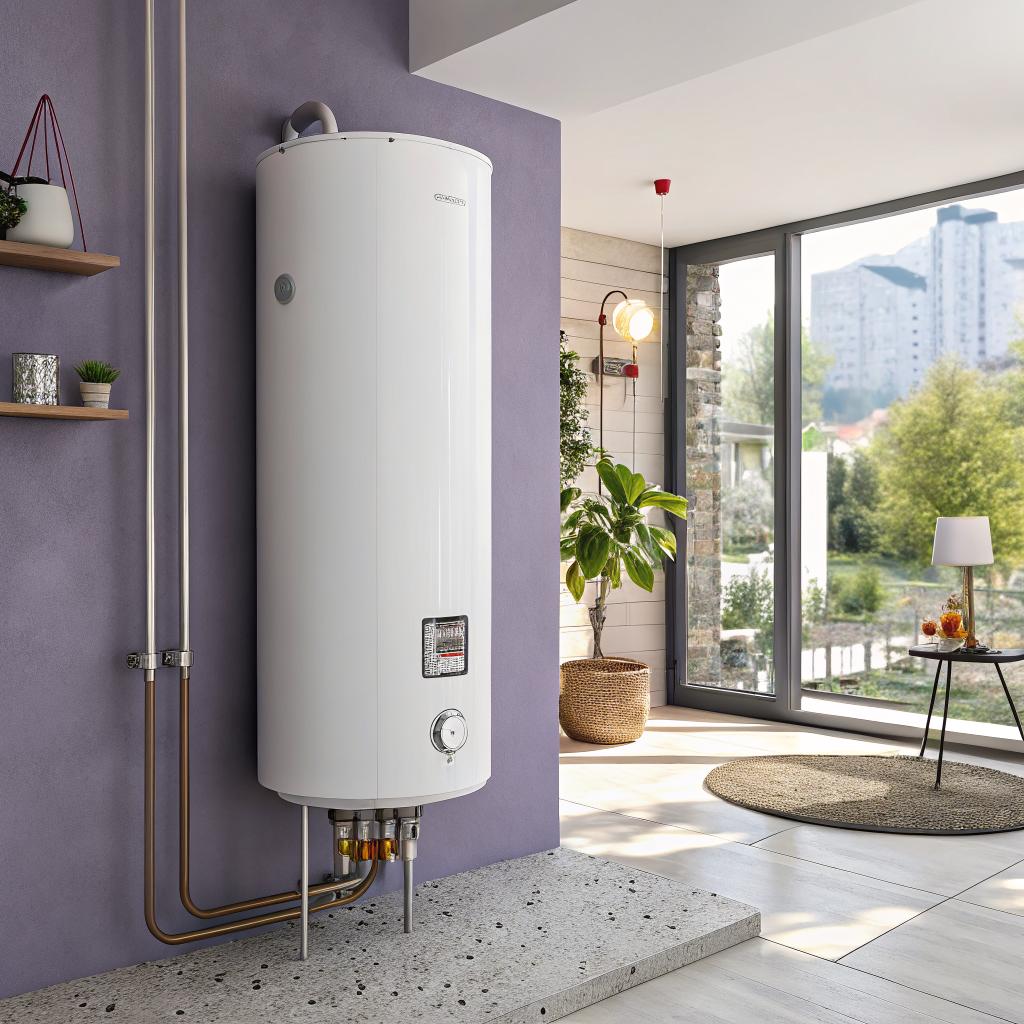
What if I told you the quiet star of your smart home is not the thermostat or the voice assistant, but the metal tank humming away in a corner of your basement?
The short answer is this: if you want your home to feel modern and actually work smarter, the place to start is with a well maintained, efficient water heater that can talk to the rest of your devices. That usually means pairing solid, old school plumbing work with sensors, apps, and a bit of automation. In Aurora, that often starts with something as simple as booking water heater replacement Aurora and asking one extra question: “How can I make this thing smarter without making my life harder?”
From there, the rest is just connecting the dots between nostalgia, evolution, and the technology sitting in your pocket.
The strange comfort of a noisy old water heater
If you grew up in an older house, you probably remember certain sounds.
The click of the burner. The low rumble when someone took a shower. The odd popping noise in the middle of the night that nobody bothered to check. That machine felt almost invisible, yet it ran your mornings.
I sometimes miss that feeling. The “set it and forget it” era, before everything had an app.
But here is the problem. Those old habits do not fit how we live now. Hot water use looks different:
– Shorter, more frequent showers
– Dishwashers and washing machines running on schedules
– People working from home all day, not just mornings and evenings
The old water heater is still trying to guess your routine like it is 1998. It cannot. It just burns fuel, keeps a large tank hot, and hopes for the best.
So the sweet spot, especially in a city like Aurora with real winters and changing weather, is keeping the reliability of those older systems while giving them a smarter brain.
The goal is not a “fancy” water heater. The goal is steady hot water, lower bills, and fewer surprises.
How Aurora’s climate shapes your water heater problems
Aurora gets real temperature swings. Cold snaps. Dry air. Then sudden warm days.
Your water heater feels all of that.
Why Aurora is rough on water heaters
Cold incoming water in winter makes your unit work harder. Longer burner cycles. More wear. Higher gas or electric use. Over years, that adds up.
On top of that:
– Hard water can leave mineral deposits in the tank
– Sediment builds up at the bottom and traps heat
– The tank runs hotter than it needs to
– Parts like the anode rod wear faster
So people in Aurora often see:
– Lukewarm showers even when the thermostat looks fine
– Strange noises when the burner starts
– Rising utility bills with no obvious reason
– Pilot lights going out more often than they should
None of this is really “smart home” yet. It is just physics, age, and local water conditions.
Where tech comes in is how you notice those changes and how quickly you fix them.
Most smart upgrades only pay off if the basic mechanical problems are fixed first. Sensors cannot help a heater that is half full of sediment.
The quiet link between nostalgia and smart plumbing
This is where the “nostalgia, evolution, technology” theme gets interesting.
A lot of us remember:
– Somebody yelling “Who used all the hot water?”
– Waiting for the tank to recover
– Listening for the burner to kick on before jumping into the shower
That routine trained us. We learned the rhythm of the tank, even if we did not know it.
Now, smart home devices flip the relationship. The heater can learn your habits instead of you learning its limits.
But I do not think the old way was all bad. There was a kind of awareness built into it. You knew the system because you respected its limits.
The risk with smart tech is that you stop paying attention completely, until something fails. Then it feels like the machines betrayed you, even though the signs were there in the data, if anyone had checked.
So the evolution here is not “dumb” to “smart”. It is more like:
– Past: You listened to the heater with your ears.
– Present: You can “listen” with data, alerts, and logs.
– Future: The heater can adjust itself before a problem hits.
If you like nostalgia, this shift is actually kind of fun. Your water heater remains a basic tank with a burner or an element, but now you can see what it is doing, not just guess.
Old heater, new tricks: practical ways to make repairs smarter
You do not need a brand new, high end system to connect an older water heater to the smart home era. In many cases, basic repair is the first step.
Core repairs that matter before you add tech
If your unit has not been checked in years, smart controls should not be step one. The physical work still comes first.
Things a technician will often look at in Aurora:
- Sediment buildup inside the tank
- The condition of the anode rod
- Gas burners or electric elements performance
- Vent pipe condition for gas units
- Thermostat accuracy and wiring
- Pressure relief valve and expansion risks
This is the “boring” part that does most of the real work.
There is something almost comforting about it. Wrenches. Hoses. A bit of water draining out into a floor drain. No apps needed yet.
But once this groundwork is done, then tech starts to make sense.
Smart add ons that actually help
Some accessories feel more like gadgets than tools. Others really do change how you manage hot water.
Useful upgrades that often pair well with repair work:
- Smart leak sensors near or under the tank, sending alerts to your phone
- Smart shutoff valves that close water supply automatically in a leak
- Wi Fi plugs or controls for electric heaters so you can run them on a schedule
- Temperature probes that let you monitor water temperature and trends
- Usage monitors that track how often the heater cycles
You might not need all of these. In a small home with a relatively new tank, a simple leak sensor is often enough.
For larger families or a busy schedule, remote control and data start to matter more. You can see when teenagers are taking 25 minute showers. You can nudge temperatures during peak energy pricing if your utility supports that.
The nostalgia angle here is subtle. You still get that sense of “knowing” your system. The difference is that you are watching numbers instead of listening for sounds.
Tank vs tankless in the smart home context
People often ask whether they should repair a tank unit or jump to tankless. There is no perfect answer, but we can compare.
| Feature | Traditional Tank Heater | Tankless Heater |
|---|---|---|
| Hot water style | Stores hot water in a large tank | Heats water as it flows |
| Space | Takes more floor space | Smaller, wall mounted |
| Typical lifespan | 8 to 12 years | 15 to 20 years with care |
| Smart upgrades | Leak sensors, smart valves, Wi Fi controls | Many units have built in apps and diagnostics |
| Repair style | Mechanical, more familiar to most plumbers | More electronics, more technical |
| Behavior | Can “run out” of hot water | Endless flow, but limited by capacity |
| Upfront cost | Lower | Higher |
For Aurora homes, the choice often depends on:
– Available gas line size or electrical capacity
– Space in the mechanical room or closet
– How long you plan to stay in the house
– Whether you like newer tech or prefer something familiar
If you enjoy the “feel” of older equipment and do not mind some limits, a well repaired tank with simple smart add ons can be the right middle ground.
If you want data, remote diagnostics, and you are comfortable with more electronics, tankless can fit well into a larger smart home ecosystem.
Signs your water heater is begging for attention
Sometimes you do not need a sensor to tell you something is wrong. Your house will complain in its own way.
The everyday warning signs
You might notice:
- Water turning from hot to lukewarm faster than before
- Extra long recovery times between showers
- Unusual noises when the burner or elements kick on
- Rust colored water from hot taps
- Drips near the base of the tank or around fittings
- Water that smells metallic or sulfur like
People often ignore these signals because the heater still “sort of works”. That is where the nostalgia mindset can be a problem. We remember these systems as tough and forgiving, so we trust them too long.
Smart alerts can break that habit. A simple sensor that tells you “There is moisture here” a week before you would have noticed can save a floor or a finished basement wall.
The best time to repair or upgrade your water heater is when it is still working, not on the night it suddenly quits.
Where smart home tech actually earns its keep
It is easy to get lost in gadgets. The real question is: what does smart tech around a water heater actually do for your daily life?
Comfort that quietly adjusts around you
Picture this pattern.
You usually shower between 6:30 and 7:00 in the morning. Your spouse showers at 8:00. The kids hop in after school around 4:00. Laundry runs twice a week, late evening.
A basic tank has no idea. It just holds hot water and waits.
With the right mix of controls and monitoring, you can:
– Track when the heater works hardest
– Adjust temperature during low use periods
– Run electric units more when power is cheaper, if your utility offers time based pricing
– Spot patterns that do not make sense, like the heater cycling at 2:00 AM
In some setups, especially with newer or tankless models, your heater can change behavior automatically based on these patterns.
Is this dramatic? Not really. But over months, it can shave costs and maybe extend life, because the unit is not working hard at pointless times.
Less stress when you travel
If you have ever left town and then suddenly wondered if something would leak while you are gone, you know the feeling.
With a few smart add ons, you can:
– Turn the water heater down or off from your phone
– Watch leak sensor status while you are away
– Get a push alert if something starts dripping
Paired with a smart main shutoff valve, you can cut water supply before a tiny leak becomes a soaked room.
In older homes in Aurora, where some basements are finished and some are not, this can be the difference between a wet patch and a ruined carpet plus drywall.
How water heater repair ties into the rest of the smart home
Your water heater does not sit alone. It shares a story with other devices and old habits.
Connections you might not think about
There are small but useful ways it can tie into a wider setup:
- A smart thermostat lowering home temperature overnight while your heater also runs at a slightly lower water temperature
- Voice assistants that can at least check sensor status, like “Is there a leak in the utility room?”
- Smart plugs that cut power to recirculation pumps on a schedule
- Home energy dashboards that show both heating and hot water usage together
This is less about bells and whistles and more about seeing your house as one system. Heat, hot water, and electricity do not live in separate worlds.
If you are into the evolution of tech, this can be oddly satisfying. The humble water heater, which almost nobody cared about from a “cool gadget” angle, now sends data to the same network that runs your lights.
There is a risk of overdoing it, of course. Not every valve or pipe needs Wi Fi. In some cases, a manual shutoff is faster and safer. It is fine to keep some things simple.
Repair or replace: the nostalgia vs practicality question
This is usually the hardest part for homeowners.
Is it worth fixing an older heater, or is it time to replace it and go all in on something newer and smarter?
How to think about the choice
Age is a clue, not a rule.
If your unit is:
– Under 8 years old and in fair shape, repair plus smart add ons can be a solid path
– Between 8 and 12 years, you have to weigh costs carefully
– Over 12 years, major repairs start to feel like throwing money at something at the end of its designed life
The nostalgia trap is real here. It is easy to say “It has been working for 15 years, it will keep going.” That is exactly the moment when a tank often fails, usually without warning, often when full.
On the other hand, rushing to replace a 7 year old heater just to have an app on your phone is not always smart either. The greener move can be to repair, maintain, and keep it running well, then plan a thoughtful upgrade later.
One mindset that helps:
Treat your water heater like a car you depend on. Decide what to fix, what to monitor, and when to replace based on real condition, not just age or features.
Nostalgia, Aurora, and the future basement tour
Imagine someone in 20 or 30 years walking through their childhood home in Aurora.
They open the mechanical room door. Instead of a mystery tank humming in the corner, they see a compact unit, a few small sensors near the floor, maybe a QR code sticker with a service history.
They remember how their parents would get a phone alert and say “Ah, the heater is due for its flush” while they sat at the kitchen table.
For us, that still feels new. For them, it will be part of the background, the same way we think of automatic ice makers or central air.
That is the quiet story here.
Not flashy gadgets, but an old, trusted appliance pulled gently into the smart home era. Not to brag, but to work a bit better, fail a bit less, and tell you when it is not feeling right.
Aurora, with its colder climate and mix of older and newer homes, is a good place to watch this shift. You see 70s basements with brand new tankless units. Brand new builds with basic tanks upgraded with a few smart add ons. And plenty of homes still somewhere in between.
Questions people often ask about smart water heater repair
Q: Do I really need smart tech on my water heater?
A: Need is a strong word. For many homes, a well maintained, basic unit is fine. Smart additions start to make sense if you:
– Have finished spaces near the heater that you want to protect from leaks
– Travel often
– Want more control over energy use
– Enjoy seeing data about how your home works
If none of that appeals to you, focus on solid repair and maintenance first. You are not wrong to keep things simple.
Q: Will smart upgrades void my heater warranty?
A: Usually, no, as long as the upgrades do not modify the heater itself in a way the manufacturer forbids. External leak sensors, smart valves on the supply line, and Wi Fi plugs for electric units are commonly fine. To be safe, read the warranty and ask the technician, especially before altering wiring or gas controls.
Q: Is it worth repairing my older Aurora heater just to add smart features?
A: It depends on the heater’s condition, not just its age. If a technician says the tank is rusting from the inside or the bottom is soft, then no, putting money into repairs and smart gear is not wise. If the tank is sound and the problems are limited to controls, elements, or valves, repairing first and then adding sensors can be a good bridge between the past and the smart home future.
