

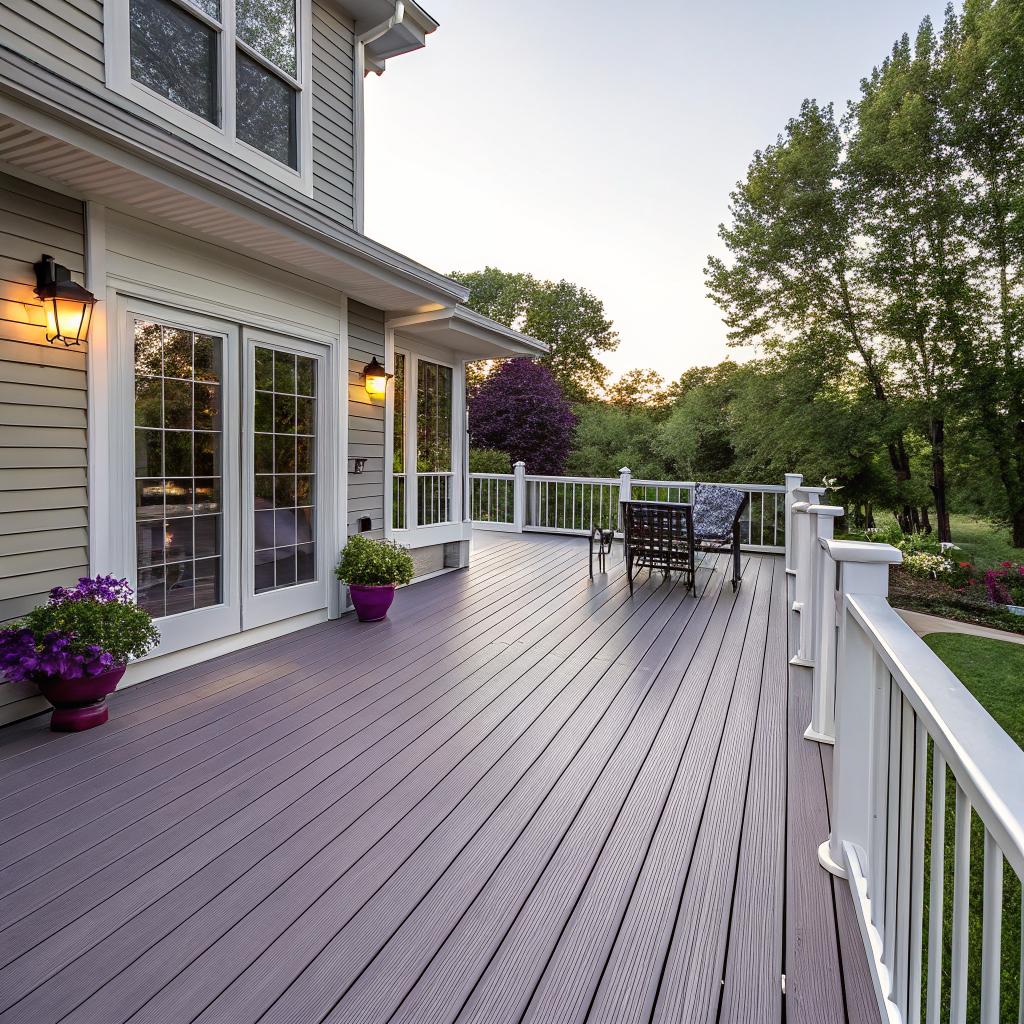
What if I told you that the decks Madison built in the 1980s are quietly shaping what the smartest Madison homeowners are doing with their backyards now, in a time of smart lighting, composite boards, and wireless speakers?
Here is the short answer. If you want a deck in Madison that feels like the one you remember from childhood, but that holds up to harsher winters, climate swings, and new tech, you focus on two things: time tested design and future ready materials. You keep the warm look, simple lines, and familiar gathering spots, but you pair them with better framing, safer railings, and surfaces that can handle snow, rain, and heavy use. The tech part should support the way you live, not turn your deck into a science project.
That is the simple version. The longer version is where it gets interesting, especially if you care about where nostalgia meets evolution and technology, which I think you do if you are reading this.
If you live in or around Madison and are already looking at options for decks Madison WI, you probably want more than a place to put a grill. You want a space that feels a little like that old family porch, but works for your life now.
Why “future ready” and “nostalgic” do not have to fight each other
There is a quiet myth that modern outdoor spaces need to look like glass boxes or rooftop lounges, and that anything warm or familiar is outdated. I do not think that is true, especially in Wisconsin.
Madison has a specific rhythm. Long winters. Short, intense summers. Tailgates. Quiet early mornings when the lake is flat and the air is cold. A good deck in this city has always been more about use than about trend.
“Future ready decks in Madison are less about gadgets and more about smart choices that hold up through snow, thaw, and time.”
If you look at many older decks around town, they share a few traits:
- Simple rectangles or L shapes
- Wide steps for sitting
- Strong railings you can lean on without thinking about it
- Enough space for a table and a grill, not much more
They are not perfect. Boards warp. Railings wobble. Stairs can get slick. But the feeling is right. So instead of throwing that away, the smarter move is to keep the parts that work and upgrade the parts that fail.
Future ready, in this context, means you plan for:
- Snow load and ice
- Fast changes in temperature
- Kids who will grow into teens and then adults
- Tech that changes every few years
In other words, you design for what stays the same and what does not.
The nostalgic core: what should not change
If you think about the best deck you remember, what stands out? It is rarely the material. It is usually:
- Where people gathered
- What you could see from it
- How easy it was to move from house to yard
This is where nostalgia actually helps. It gives you a checklist.
“When planning a new deck, ask yourself: where did people naturally gather on the decks you loved, and how can you recreate that flow with better materials?”
For many Madison homes, this might mean:
- A clear, wide path from kitchen to grill
- A step down seating edge facing the yard or lake
- A rail height that feels safe but not boxed in
- A spot for one simple, soft light source at night
Now we can overlay future ready ideas on top of that.
Materials: from splintered boards to low maintenance surfaces
This is where the “future” part often shows up first. Not in flying drones or app controlled everything, but in better boards and framing methods.
Here is a simple comparison that many homeowners in Madison find helpful when they are torn between what feels traditional and what makes sense long term.
| Material choice | Nostalgic feel | Future ready benefit | Typical Madison concern |
|---|---|---|---|
| Pressure treated wood | Closest to classic backyard deck look | Low upfront cost, easy to work with | Can warp, crack, and fade faster in freeze thaw cycles |
| Cedar | Warm color, familiar grain, natural look | Feels better under bare feet, less prone to some decay | Needs regular sealing, can weather quickly near lakes |
| Composite boards | Less “old porch” but can mimic wood from a short distance | Resists rot, insects, and many moisture issues | Higher upfront cost, can get hot in strong sun |
| Hidden fastener systems | Clean lines, fewer visible screws | Less chance of raised nails, smoother surface long term | Slightly longer install time, but pays off in comfort |
Future ready does not mean you must pick composite. In some older neighborhoods, a well cared for wood deck still matches the house better. It just means you weigh:
- How long you plan to stay
- How often you are willing to stain or seal
- How much snow and ice your deck will see
If you are building a deck for the next twenty years, not five, it might make sense to spend a bit more now so you are not sanding splinters when you are older and less excited about that type of work.
Framing, footings, and the less visible things
Nobody shows off their deck footings at parties, but this is where Madison’s climate can punish lazy work.
Older decks often sit on shallow footings or small concrete pads. They can shift, tilt, or pull away from the house as the ground moves.
Future ready framing in this area often means:
- Deeper, properly sized footings below frost line
- Better hardware connecting deck to home
- More support in high use areas like stairs and corners
This is not the glamorous part, but it may be the one that keeps your nostalgic looking space usable for your kids when they have kids.
Railings: where safety, memory, and tech quietly meet
If you think about older decks, you might remember two types of railings:
- Thick wood rails that felt solid but sometimes blocked the view
- Thin metal rails that rusted, especially near water
Today you can keep the solid feel while opening the view and planning ahead for lighting, speakers, and even future tech that we have not thought of yet.
“The best modern railings in Madison do three things at once: protect, frame the view, and leave room for small, hidden tech.”
Some directions people in Madison often explore:
- Simple vertical balusters that echo older designs but in low rust metal
- Cable deck railing that keeps sight lines clear toward the yard or lake
- Top rails wide enough to set a drink on, like older decks, but with better stains or composite caps
Future ready here is not flashy. It is as simple as:
- Running concealed wiring paths before boards go down
- Using posts that can hold up small lights or future devices
- Choosing rail spacing that meets current safety codes so you are not forced into a full redo later
You can still lean on it, rest a plate on it, and watch a game on a portable screen. It just works better, for longer.
Lighting: from single bulb to layered, gentle light
Many older decks use one overhead light that blinds you near the door and leaves the stairs dark. It is familiar, but not ideal.
Today, a more layered approach feels both nostalgic and updated:
- A warm wall light near the door, like older porch lights
- Small stair lights for safety without glare
- Optional rail or post lights you can dim or switch off
The “future” part sits behind the scenes:
- Low voltage systems that sip power
- Smart switches that let you control scenes from your phone
- Wiring paths that can handle small upgrades later
You still end up with the familiar feel of a warm summer night outside. You just have fewer stubbed toes.
Layout choices that feel classic but plan ahead
If you look at deck plans online, many of them feel complex or trendy. Multi level everything. Built in bars. Benches wrapping every corner.
There is nothing wrong with that, but many Madison homeowners are moving back toward simpler shapes, then adding flexibility.
Here is one way to think about it.
| Area | Nostalgic reference | Future ready tweak |
|---|---|---|
| Main area near door | Like an old front porch, catch all space | Sized with clear routing for table now, lounge later |
| Grill zone | Old “dad at the grill” corner | Extra support for heavier future grills or outdoor kitchen |
| Steps to yard | Wide, sitable steps for kids and pets | Built with lighting and strong framing for future rail if needed |
| Edge or corner nook | Reading chair or quiet coffee spot | Power access nearby for heater, charger, or speaker later |
The trick is to under build features and over build structure.
By that I mean:
- Do not lock yourself into permanent benches everywhere
- Do make sure the framing can handle different furniture layouts through the years
- Leave small ways to add shade, heaters, or screens later
Your tastes might change. Your family size might change. The deck should not have to.
The role of partial coverage and shade
If you think about older Wisconsin porches, many had at least some cover. Even a small roof edge helped.
On modern decks, a mix of open and covered space often hits the sweet spot:
- Open area for sun on cooler days
- Covered area near the house for rain or strong July sun
Future ready here can be as simple as:
- Structuring posts to hold a future pergola if you do not want one yet
- Ensuring roof tie ins are done with proper flashing so you do not fight leaks later
- Adding one strong mounting point for a future ceiling fan or heater
It still feels like a porch your grandparents might have used, just better prepared.
Technology on the deck: how much is too much?
This is where I think some people go too far. A deck that tries to be a cinema, office, and spaceship all at once can age badly.
You probably do not need everything connected to an app. What helps more is planning for:
- Simple weather resistant outlets in smart locations
- Good Wi-Fi reach or a discreet outdoor access point
- Enough power for heaters or small fridges, without overloaded circuits
From there, you can layer in as much or as little as you like:
- Bluetooth speakers tucked into corners
- A basic projector for game nights
- Smart bulbs in a few key fixtures
“Think of deck tech like seasoning in cooking: too little and it falls flat, too much and it overwhelms the actual food.”
The nostalgic anchor is helpful here. Ask yourself:
Would the space still feel nice with the power off?
If the answer is no, the design is leaning too hard on gadgets.
Winter use: stretching the season without losing the mood
Madison winters are long. It feels wasteful to have a deck that only earns its keep for three months.
Future ready decks here often include small moves that stretch use into spring and fall:
- Thoughtful placement for a portable fire pit or heater
- Materials that do not become ice rinks at the first frost
- Lighting that makes early dark evenings feel cozy, not gloomy
You might not sit outside in January every day, but a clear, cold afternoon with a warm drink on a solid deck can feel very nostalgic in its own right. The tech and materials just make it easier and safer.
Nostalgia, regulation, and reality in Madison
Now for a slightly less romantic part: codes, permits, and local rules.
Old decks often ignore these. Or, more charitably, they reflect older rules that no longer match modern safety standards.
Future ready decks in Madison need to deal with:
- Current load requirements, especially if you ever plan a hot tub
- Railing height rules and spacing
- Setbacks from property lines and sometimes from water
If you are picturing the old low, rail free decks from your childhood, this might feel limiting. But it also forces some creative, and actually nice, design moves, like:
- Wide, deep steps that act like seating where a low deck might have been
- Built in planters that add a sense of boundary while meeting code
- Clear sections where railings are code compliant but kept visually light
In practice, many people end up with decks that feel more thought out than the simple boxes of the past, even if they began from a nostalgic memory.
Working with builders who understand both sides
This part is easy to overlook. If you hire someone who only thinks in terms of speed and cost, you might lose the nostalgic character.
If you hire someone who only cares about lofty design concepts, you might get something that does not handle ice or kids well.
You want a builder who:
- Has actually rebuilt old decks in the Madison area and seen how they fail
- Knows composite brands, hardware, and footing standards that suit local soil and weather
- Will ask about your memories and habits, not just square footage and budget
If you are at the stage of mapping ideas to reality and exploring options for decks Madison WI, you can start with local examples and photos to clarify your taste. You can also look at a service provider that works in the area, such as decks Madison WI, to see how others have balanced traditional looks with modern materials.
You still need to ask questions and challenge assumptions. No builder, no matter how experienced, can read your memories.
Balancing cost, nostalgia, and future needs
It would be easy to say “just invest in the best materials and tech, and you will be fine.” But that is not always realistic.
Sometimes the budget is fixed. Sometimes the house itself is temporary because you might move in five to eight years.
If that is your case, a few practical thoughts:
- Spend on structure first: footings, framing, and rail strength
- Choose surface materials that match your expected timeline
- Run extra wiring or conduit while the deck is open, even if you do not install advanced tech yet
That way, the next owner, or future you, can add heaters, more lighting, or upgraded boards without tearing everything down.
A simple way to frame decisions is:
| Deck element | Lean nostalgic | Lean future ready |
|---|---|---|
| Board material | Wood with visible grain | Composite with hidden fasteners |
| Railing style | Chunky wood top rail | Metal posts with cable or thinner balusters |
| Lighting | One porch style light near door | Layered low voltage system, dimmable |
| Layout | Simple rectangle, one level | Clear zones, structural room for future cover or additions |
You do not have to choose one column only. In fact, mixing them often gives the best result.
How memories guide smarter choices
Let me share a simple pattern I have noticed in how people talk about their favorite outdoor spaces.
When someone describes a deck they loved as a kid, they rarely mention:
- The board brand
- Exact rail spacing
- Whether there were built in planters
They remember:
- The feeling of the boards under bare feet
- The view from one specific corner
- The way sound carried, from radio games or conversations
That suggests a useful approach when you plan a new deck:
“Design the deck around the experiences you want users to remember, then pick materials and tech that protect those experiences from weather and time.”
For Madison, that might mean:
- Ensuring a clear sight line to a tree, a lake, or a sunset, even if you have to bend the deck a bit
- Choosing a board color that feels warm on cloudy spring days
- Placing the grill where the wind is less likely to blow smoke into faces, even if it is not the shortest path
These are small, human decisions. The technology is there to support, not dictate.
Common mistakes when chasing either extreme
There are a few traps that repeat often.
Chasing pure nostalgia
This looks like:
- Building with low grade lumber because “that is what my parents used”
- Skipping railings for a “clean look” even when the drop is not safe
- Ignoring lighting because “we never needed more than a flashlight”
The problem is that conditions and expectations change. We know more now about structural load, child safety, and long term moisture effects. What felt normal then can be risky now.
Chasing pure futurism
On the other side, some decks end up as showpieces that no one feels relaxed using:
- Too much built in seating that cannot be moved when you rearrange life
- Complex control panels for simple lighting needs
- Materials that are cold, slick, or harsh to the touch in real weather
A deck that impresses on day one but feels tiring on day thirty is not a great outcome.
The reality is messy. You want to land somewhere that feels like your best memory of a deck, updated by the lessons you have learned since.
One practical planning exercise you can try
Before you talk to a builder or pick materials, you can do a short, almost low tech exercise that blends nostalgia with planning.
Take a notebook and answer three sets of questions.
1. Past deck memories
Write short answers to:
- What was your favorite deck, porch, or balcony growing up?
- Where did you sit on it most often?
- What time of day was best on that space?
- What annoyed you about it? Splinters, hot boards, bugs, lack of shade?
2. Current daily routine
Then write:
- How often do you realistically see yourself using a deck?
- Morning coffee, weekend afternoons, nights with friends?
- Who will use it most? Kids, pets, guests, older family?
3. Future changes
Finally:
- Do you expect to stay in this home for 5, 10, or 20 years?
- Could the deck ever need to handle a hot tub, large gatherings, or more gear?
- Is resale appeal a factor, or is this mainly for you?
You will start to see patterns. Maybe you love morning light, hate deep maintenance, and expect to host a growing family. Maybe you care more about quiet evenings and reading outside.
This simple reflection often does more than hours of scrolling through deck photos, because it ties memory and future use together.
Questions and answers to close things out
Q: Can a deck really be “future ready” without feeling cold or overly modern?
A: Yes. Most of the future ready work happens under the surface and in small details. Better footings, smart framing, hidden wiring paths, safer railings, and smarter lighting placement. The visible parts can stay warm, familiar, and simple.
Q: Is composite always the right choice for Madison?
A: No. Composite works for many people who want less ongoing care, but good wood, properly maintained, still has its place. The key is matching material to how long you plan to stay, how much upkeep you are willing to do, and how strong your weather exposure is.
Q: How much tech should I plan for on a new deck?
A: Enough to support comfort and safety without stealing the show. Safe outlets, low voltage lighting, possible heater capacity, and decent Wi-Fi range cover most needs. If you design a deck that feels peaceful with everything unplugged, you are probably in a good spot.
Q: What if my nostalgic ideal does not match modern safety codes?
A: That happens more often than you might think. Instead of fighting code, use it as a design constraint. You can echo the feeling of an old low deck with wider steps, planters, and smart rail choices while still meeting current rules.
Q: Where should I start if the choices feel overwhelming?
A: Start with use, not materials. Picture one perfect day on your future deck in Madison. Who is there, what are you doing, what are you seeing and hearing? Write that down. Then back into size, shape, and features from that vision. Only then pick materials and tech that support those scenes. The memories you want to create should lead; the boards, screws, and circuits can follow.
