

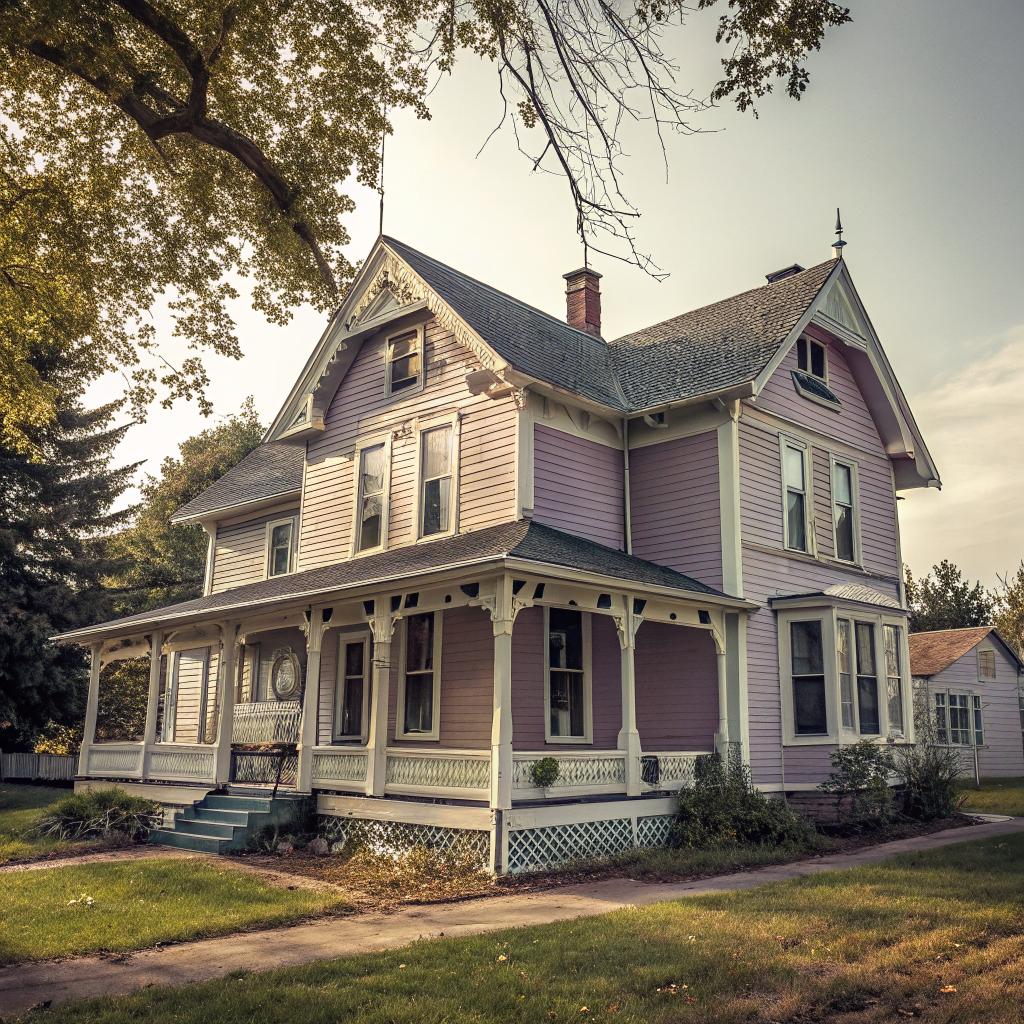
What if I told you the smartest homes right now are not the new ones with glass walls and hidden speakers, but the old brick houses with creaky stairs and, quietly, a very modern brain?
That is what companies like All Pro Services are doing for Salt Lake City water damage restoration. They help owners of older homes keep the charm, the memories, and the odd quirks, while adding the kind of tech that quietly watches for leaks, smoke, power surges, and other problems before they become disasters. In simple terms: they hide sensors, smart devices, and modern building science inside walls, basements, and crawl spaces, so your 1940s house acts more like a 2025 house without looking like one.
Why mixing old homes and new tech actually works
If you live in an older home, you probably know the feeling. You love the wood doors, the arches, the original hardware. You do not love the plumbing surprises, mystery smells from the basement, and the constant suspicion that somewhere, behind a wall, water is doing something it should not.
The short answer to whether tech can quietly fix that is yes, but only if it respects how the house was built in the first place.
Here is the simple idea behind how companies like All Pro Services work with older homes:
- They study how the house breathes and drains before touching tech.
- They repair hidden damage first, especially anything related to water, mold, or bad wiring.
- They add sensors and smart devices in places that make sense for that specific house, not just random gadgets.
- They keep visible changes minimal so the house still feels like itself.
That order matters. If you bolt smart gadgets on top of ignored problems, you are just decorating a slow failure.
Real protection in an older home starts with fixing what you cannot see, then using tech to keep it from happening again.
I think the reason this fits so well with people who love nostalgia is that it does not ask you to give up the past. It just says: your 1920s pipes should probably talk to your 2025 phone.
The hidden enemy in old homes: water, time, and silence
If you look at what ruins older homes, it is often not dramatic events. It is slow, quiet things.
Tiny leaks under sinks. Damp corners in basements. Condensation behind old plaster. By the time you notice, damage has already spread.
In older houses, water tends to win for a few reasons:
- Original plumbing that has outlived its intended life
- Gutters and grading that no longer send water away properly
- Previous repairs that covered damage instead of fixing it
- Poor ventilation in attics, crawl spaces, and bathrooms
The tricky part is that many of these issues are invisible until they become expensive.
This is where tech fits surprisingly well. Not as a luxury feature, but as quiet surveillance for the stuff that attacks an old house from the inside.
How water and old houses quietly argue with each other
Think about how an old house was built. It was mostly designed to shed water with gravity and airflow. Roof pitches, siding laps, overhangs, and even porch details all helped water move away without fancy materials.
Over decades, things shift:
- Ground settles and slopes change.
- Owners add concrete, decks, and additions that trap water.
- Original vents get blocked or removed.
- Insulation is added in ways that trap moisture instead of letting it escape.
So you end up with a structure that still looks charming, but behind the paint and plaster, the rules have changed. The house cannot handle moisture the way it once did.
Most big water disasters in older homes start as a small drip that no one hears and no one sees.
Smart tech is good at one boring thing: noticing small changes early. That boring task is exactly where old homes need the most help.
How All Pro style tech fits into older homes without ruining them
People who love old houses are often afraid of modern tech for one simple reason. They do not want their home to turn into a gadget showroom.
That concern is fair. Some smart home setups look like a showroom for devices, not a place to live.
The way companies that understand both restoration and tech handle this is different. They treat tech like infrastructure, not decor.
Here are a few examples of how that looks in practice.
Smart leak detection that works in the background
In older homes, plumbing can be unpredictable. Pipes might run in odd places, with patchwork repairs from different decades.
A typical modern system for leak detection can include:
- Small puck sensors under sinks, behind toilets, and near water heaters
- Inline smart valves on the main water line
- Humidity and temperature sensors in basements and crawl spaces
These devices send alerts before a surprise leak becomes a collapse.
But the key is placement.
In a house built in 1910, you might have handmade cabinets, original tile, or built-in storage. A careful installer will hide sensors behind access panels, inside toe kicks, or in the basement under the fixtures instead of drilling through visible woodwork.
Good tech in an old home is like good wiring: you notice it when it is missing, not when it is done right.
Most of the work happens in basements, utility rooms, and crawl spaces. The living room still feels like the living room you remember.
Quiet upgrades to electrical and safety systems
Many older homes were wired for a time when a “heavy load” meant a few lamps and maybe one radio.
Today you plug in:
- Multiple computers
- Smart TVs
- Kitchen appliances that all want their own circuits
- Phone and device chargers in every room
This puts strain on old wiring and panels. You do not always see the risk. You just notice flickering lights or warm outlets and hope nothing worse happens.
A company that deals with both restoration and tech will usually:
- Inspect the panel, grounding, and main service
- Replace brittle wiring where needed
- Add modern breakers that respond faster to faults
- Install interconnected smoke and CO detectors that talk to each other and, sometimes, to your phone
If you want a quick snapshot of old vs upgraded safety, this kind of table helps.
| Feature | Typical Older Home | After Modern Upgrade |
|---|---|---|
| Smoke detection | Single standalone units, often outdated | Interconnected detectors with local alerts and optional phone alerts |
| Electrical panel | Limited capacity, older breakers or fuses | Panel sized for modern loads, protected circuits |
| Surge protection | Random power strips | Whole-home surge device at the panel |
| Leak awareness | Only noticed when visible damage appears | Sensors at risk points, main shutoff control |
| Monitoring | Occasional manual checks | Continuous sensor data and alerts |
Again, most of this work is invisible once finished. The idea is not to decorate your house with tech, but to quietly raise the baseline of safety.
Climate, comfort, and old construction
One interesting conflict in older homes is heating and cooling.
These homes were often built for a different relationship with temperature. Thicker walls, smaller windows, tall ceilings, maybe even sleeping porches. They were not designed around constantly running air conditioners.
When modern systems were added, they sometimes ignored that logic. So you might have:
- Rooms that are always colder or hotter than others
- Attics that trap heat and moisture
- Basements that stay damp, even with a dehumidifier
Modern controls can help, but only when paired with building science. A careful upgrade might include:
- Smart thermostats that learn patterns, but are set to respect older radiators or ductwork limits
- Room-based sensors that adjust heating or cooling to actual use
- Ventilation changes in attics and crawl spaces
- Better control of humidity so mold has a harder time getting started
From a nostalgia angle, this is where comfort meets memory. You keep the old cast iron radiators or the original vents, but the system behind them behaves smarter.
The emotional side: why people cling to old homes, and why that is not silly
If you own an older house, you probably hear practical advice from people who like new construction: “Just move. It will be cheaper.”
Sometimes that is correct. Some houses are so far gone that they really are money pits.
But not always.
There is a reason people keep old keys, family recipes, and photo albums. Physical things hold memory in a way that a new object cannot.
An older home is like that, but multiplied. Someone else might just see outdated tile. You see the floor you crawled on as a kid, or the porch where your grandparents sat every summer.
From a purely logical standpoint, this attachment might not always be “efficient”. But we are not robots. You do not weigh only cost per square foot. You weigh how a place feels.
So the real question becomes:
How do you keep that feeling without leaving your house trapped in a past where no one had to think about Wi-Fi, streaming devices, or frozen pipes bursting while you travel?
Blending careful restoration with quiet tech is one answer that respects both sides. You do not pretend it is still 1950. You also do not erase 1950.
Where nostalgia and technology actually get along
There are areas where old homes and new tech almost seem made for each other:
- You want the original light fixtures, but you want LED bulbs that do not overheat.
- You want the old wood windows, but you are open to discreet weatherstripping and better storm windows.
- You want the original doors, but you do not mind a hidden sensor that tells you if a door is forced while you are away.
None of that ruins the soul of an old house. It just gives it tools to survive in a different century.
Nostalgia does not have to mean pretending the present does not exist; it can mean choosing what to keep and where to quietly upgrade.
This is where companies like All Pro Services sit: in that middle ground where sentiment and physics have to work together.
How a restoration-focused company decides what tech to add
Not all tech fits every house. Some of it is just noise.
The useful pieces generally fall into a few categories that matter for older homes: protection, prevention, and comfort.
Protection: stopping the big disasters
Protection is about events that can change your life in one day:
- Major pipe breaks
- Sewer backups
- Basement flooding
- Fires or serious electrical faults
Here, tech and restoration go together because the same team that cleans and repairs damage knows what caused it in the first place. They have seen what fails in real houses, not just in manuals.
You might see:
- Automatic shutoff valves on main water lines
- Smart sump pump monitors in basements
- Upgraded electrical panels with arc-fault and ground-fault protection
- Interconnected alarms that link fire, carbon monoxide, and sometimes water alerts
These systems are not about convenience. They are about not waking up to three inches of water or smoky walls.
Prevention: catching slow damage early
Prevention is slower. This is where sensors and data help the most.
Older homes often benefit from:
- Humidity sensors in basements, attics, and crawl spaces
- Temperature sensors in areas known to freeze
- Leak sensors in laundry rooms and under older tubs
- Air quality monitors that notice unusual patterns
The goal is to see a trend before it becomes a problem. If humidity creeps up in a certain corner every spring, that might point to drainage outside or a minor leak. You can act on a warning instead of reacting to damage.
Comfort: making an old home easier to live in right now
Comfort is what most smart home ads talk about. But in an old house, it is more than “turn on lights with your voice”. It is about working with quirks.
Some examples:
- Using smart thermostats to protect pipes by avoiding deep temperature swings during cold snaps
- Using zoned heating controls so drafty rooms get a bit more warmth without overheating the rest
- Using lighting control to gently light stairways and halls in older layouts at night without harsh overhead fixtures
A small example: In a narrow staircase from the 1930s, you might not want to add a bright modern fixture. But a low-profile LED strip hidden under the rail, controlled by a motion sensor, can make that space safer without changing how it looks.
Again, the pattern here is simple: respect the structure and feel, change the performance.
What a typical project might look like in real life
Every house is different, but there is a pattern in how a careful team handles an older home that needs both repair and tech.
1. Inspection with both old and new in mind
A good process starts with people walking through the house and looking for both obvious and hidden issues:
- Signs of past water damage, even if painted over
- Mold or mildew smells in closed spaces
- Electrical panels that look outdated or overloaded
- Plumbing materials that are known to fail over time
- Areas with poor ventilation
They might use thermal cameras, moisture meters, and small probes, but they also use experience. An old stain on a ceiling tells a story that a sensor cannot.
2. Fix the underlying damage first
This is where some owners get impatient. People often want to skip straight to smart systems.
That is usually a mistake.
If a basement wall is taking water every spring, you fix grading, drainage, and cracks before you put sensors and a smart dehumidifier down there. Otherwise you are just getting alerts about something you already know is bad.
Repair steps might include:
- Drying and cleaning existing water or mold damage
- Sealing or repairing small leaks and cracks
- Updating damaged wiring or old junction boxes
- Replacing failed sections of plumbing
- Improving ventilation in known damp areas
3. Add tech where it actually solves problems
Once the house is stable, you pick tools that match real risks.
For example:
- If you have a history of frozen pipes, temperature and leak sensors plus better insulation in that area make sense.
- If past owners finished a basement that tends to get damp, humidity and leak detection plus a smart sump monitor can help.
- If the electrical panel was upgraded, adding smart monitoring at the panel can show unusual usage or spikes.
The tech is chosen around the story of that specific house, not whatever gadget is trending this year.
4. Keep the character visible and the tech invisible
Most owners of older homes care a lot about where wires go, where new boxes are cut in, and what hardware looks like.
There are small choices that matter here:
- Placing sensors behind existing access panels instead of cutting new ones
- Routing new wiring through basements and attics instead of visible walls when possible
- Choosing simple, neutral covers and controls that do not clash with older finishes
This is the sort of thinking that separates a generic install from one that an old-house fan is actually happy with.
Tech fatigue and why you do not need every gadget
One thing I push back on is the idea that more devices always mean a smarter home.
In older houses, too many gadgets can actually confuse things. You can end up:
- Relying on several apps to control different systems
- Forgetting to replace batteries in a dozen sensors
- Not remembering what is monitored where
You do not need scanners and automation everywhere. You need devices in the places that matter most.
If you want a starting point for an older home, a short priority list often looks like this:
- Water: leak detection at main risk spots and a way to shut water off quickly
- Fire and air: upgraded, interconnected smoke and CO alarms
- Power: safe electrical panel and whole-home surge protection
- Humidity: monitoring where water tends to linger, like basements and attics
- Comfort: heat and cooling controls that prevent extremes
Anything beyond that is optional. It might be nice, but it is not always necessary.
How this connects to people who love “Nostalgia. Evolution. Technology”
If you are drawn to that mix, old homes are kind of a perfect case study.
Nostalgia is the feeling you get when you walk across a floor that has been worn down by years of footsteps. Or the way an old door sounds when it closes. It is small, specific, and hard to fake.
Evolution is what happens when you admit that a house built before dishwashers and smartphones needs a few changes to stay livable and safe. Not massive new wings or tearing everything out, just careful shifts.
Technology, used well, is what lets you do that without wiping out the parts that matter.
The story of companies like All Pro Services is really about these three pieces meeting in practical ways:
- They respect the history of the house.
- They repair the damage that history has quietly left behind.
- They add systems that talk, sense, and react faster than any human could on their own.
You end up with something that is not fully old and not fully new. It is layered. It feels lived in, but not fragile.
Questions people usually ask before committing to this mix
Is this level of tech overkill for a regular older home?
Sometimes yes, sometimes no.
If your house has never had a leak, your electrical is already updated, and your basement is dry year-round, then you might not need much beyond good alarms and basic comfort controls.
But if you have:
- A history of water issues
- Past insurance claims
- Very old plumbing or wiring
- Rooms that always feel damp or musty
then thoughtful tech is less of a luxury and more of a guardrail.
Will I feel like I am living in a gadget showroom?
If the work is done with respect for the house, no.
Good installs hide most devices where you will not see them. Your main interaction might just be a couple of apps and a thermostat that looks clean but not flashy.
You should still recognize your home when you walk in. If anything, you should feel less anxious about what is going on behind the scenes.
What if I move later? Does this actually matter for resale?
In many markets, buyers are starting to look for both charm and resilience.
An old house with a history of water damage and old systems can scare buyers. An old house with documented repairs, modern protection, and quieter utilities feels different.
You keep the character that draws people in, but you remove some of the fear.
How do I decide what to do first?
Start with one honest walkthrough and one simple question:
“If something went wrong in this house while I was gone for a week, what would scare me the most?”
If the answer is “a pipe bursting”, then water should be your first focus.
If the answer is “a fire starting from old wiring”, start with electrical and alarms.
Once those are stable, you can think about comfort, convenience, and maybe a few quality-of-life upgrades.
Is it worth trying to keep every original part of an old home?
Not always. Some materials and systems reach a point where they do more harm than good. Old wiring that has lost insulation, plumbing that is known to fail, or porous materials full of mold are good examples.
There is a line where nostalgia for a feature conflicts with the long-term health of the house and the people in it.
The real goal is not to freeze a house in time. It is to let it keep going, with its stories intact, in a world that will keep changing around it.
