

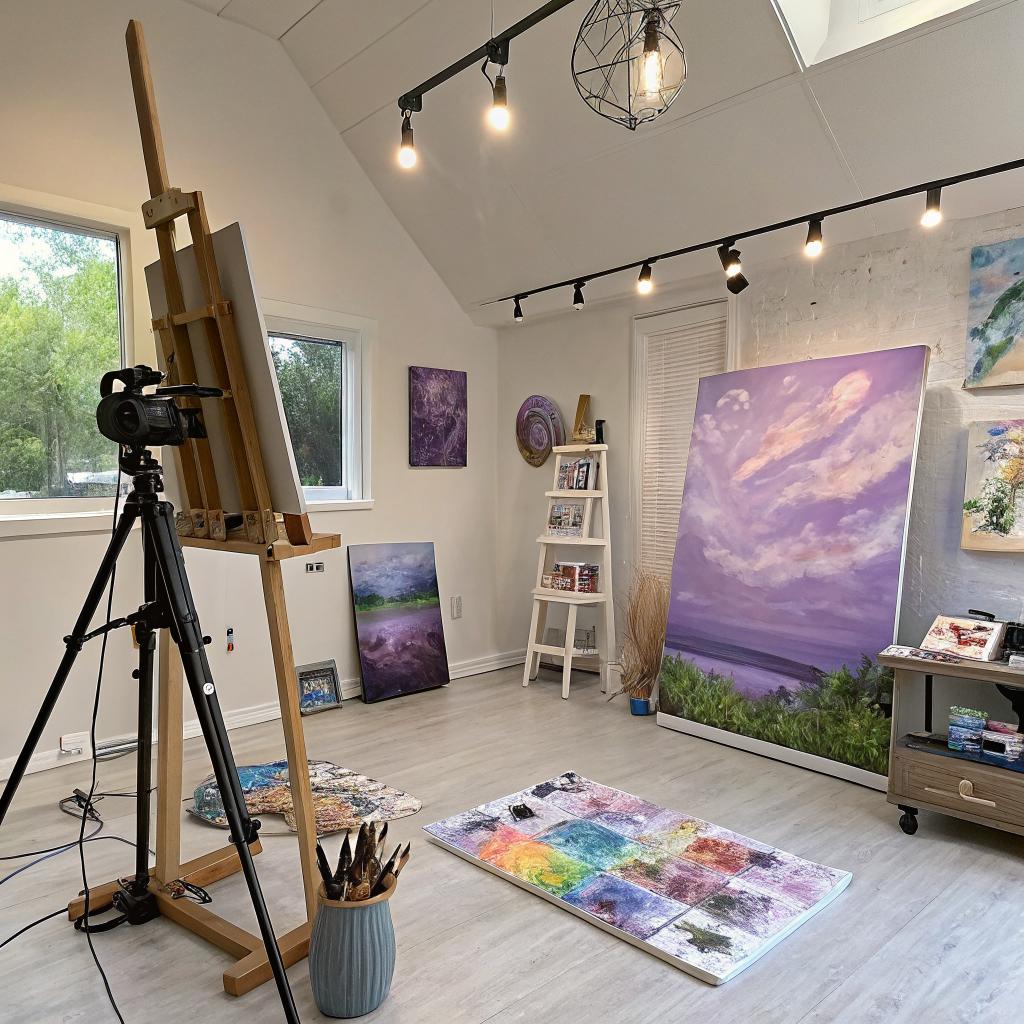
What if I told you the most powerful tech in your house is not your phone or your TV, but the color on your walls?
That sounds a bit dramatic, but if you think about it, the color of a room quietly controls how you remember moments inside it. A yellow kitchen from childhood, a dark blue bedroom from college, a soft green nursery that made you feel strangely calm. A painting company like Dream Painting LLC is not only changing how homes look. It is shaping how nostalgia will feel in 10, 20, even 40 years, for you and whoever lives there after you.
The short version is simple: by mixing classic color memories with newer tools, tech, and materials, Dream Painting LLC helps people create homes that feel familiar and future ready at the same time. They use modern paints, planning tools, and finishes, but the goal is old fashioned: rooms that feel like they already belong in your life story.
Now let us unpack how that actually works, and why it matters if you care about nostalgia, evolution, and technology, not just about paint on a wall.
How color quietly programs your memories
Most people think about painting only when they move, remodel, or get tired of staring at the same beige wall. It feels like a surface choice. Pick a color, get it done, forget about it.
That is not really what happens, though.
Color is one of the first things your brain logs when you walk into a space. You may not remember the exact shade name, but you remember that your grandparents living room felt warm and deep, or that your old apartment felt cold and flat.
Color is one of the tools that turns a random room into “the place where that part of my life happened.”
Dream Painting LLC, at least from what I can tell looking at their work and approach, is playing in that quiet zone where design meets memory and a bit of tech. They are not coding apps. They are coding feelings through walls.
If that sounds too abstract, think about this:
You can forget the layout of an old house, but you still remember the red dining room.
You may not recall the exact furniture you had in your first apartment, but you remember the white walls that made it feel temporary.
You might forget the name of your dorm roommate, but remember the bright color you picked together that made your parents question your judgment.
When a painting company takes that seriously, they start to think less about “covering a wall” and more about “saving a future memory.”
The strange link between nostalgia and paint
Nostalgia is usually about music, photos, smells, and objects. But those objects live somewhere. And the “somewhere” has color.
I still remember my childhood living room as “the green room” before I remember the furniture. The green was not even that nice. Slightly too dark. But that is how my memory sorts those years.
If you think about your own life, you can probably connect key periods to rough color stories:
- Childhood bathroom: loud blue or seafoam green
- First apartment: landlord off-white, maybe with one brave accent wall
- Parents house: some shade that felt dated, then got repainted and suddenly felt wrong
- Current place: calmer neutrals, softer contrasts, maybe more careful choices
So painting is not “just maintenance”. It is a reset of how your future self will remember that time. That is where the “future of nostalgia” starts to make sense in a very normal, non poetic way.
Dream Painting LLC works in that space for real people, not mood boards. They walk into houses that already have layers of memory in the walls. Old repairs. Scratches from a dog. Sunfade where a poster used to hang. Then they add another layer that someone will remember later.
Where technology comes in: from guessing to planning
We talk a lot about technology changing big things like work and medicine. It also quietly changed how people paint homes.
In the past, picking a color meant flipping through paper swatches in a hardware store, holding them up against your wall, and hoping for the best. Today, painters and homeowners can use simple digital tools to test ideas before the first brush touches the surface.
This is where a company like Dream Painting LLC is not just a “traditional” contractor. They can mix:
- Memory: “I want a living room that feels like my grandparents house, but not old.”
- Tech tools: digital previews, shared photo references, easy color comparisons.
- Material science: modern low VOC paints, better primers, more accurate finishes.
The result is less trial and error and more intentional nostalgia. You are not trying to copy the exact color of a 70s basement. You are trying to recreate the feeling, with paint that will not smell strong for days and will not peel after two winters.
Tech does not replace the painter. It reduces regret.
You get to see what a soft terracotta might do to your hallway. Or how a dark, moody color would affect a small bedroom. That kind of preview shapes future nostalgia, because you are more likely to stick with a choice you actually like, instead of rushing to repaint after six months.
Old colors, new context
A pattern I see a lot is people returning to older color ideas, but in a more careful way. You might notice it too:
- Earth tones that feel like 1974, but calmer
- Muted greens like those in old schoolhouses, but softer and more natural
- Warm off whites that remind you of film photography, not bright LED light
Painters who understand this do not treat it as “retro” for the sake of style. They treat it as a way to give a house a sense of time. Not just “new,” but layered.
The “future of nostalgia” here means combining older emotional references with modern comfort. A room can feel like a memory but still work with your smart lights, your screens, and your actual daily life.
How Dream Painting LLC shapes spaces people actually live in
If you scroll through any serious residential painting company site, you start to notice patterns. Colors repeat. Finishes repeat. The requests from homeowners repeat too.
I do not work for Dream Painting LLC, but based on their focus, there are some clear themes in how they approach homes.
1. Living rooms as time capsules, not showrooms
Most of us do not live in design magazine houses. We live with kids, pets, random cables, and coffee tables that have seen better days.
A painter who understands this will suggest colors and finishes that do not just look good in an empty photo. They will think about:
| Real-life factor | What it means for paint |
|---|---|
| Kids or pets | More durable finishes, colors that hide scuffs a bit better |
| Older furniture you do not plan to replace | Wall colors that make it feel intentional instead of “leftover” |
| Mixed lighting (daylight + warm lamps) | Colors tested in both conditions so they do not feel strange at night |
That kind of thinking shapes nostalgia later. Your memory of that living room will not be “the room we were always repainting because the walls looked terrible.” It will be the place where the color quietly survived birthday parties, movie marathons, and quiet afternoons.
2. Bedrooms as personal archives
Bedrooms are where nostalgia hits hardest. We remember our old rooms as teenagers, our first adult bedroom, the guest room at our grandparents place.
When a company like Dream Painting LLC works on bedrooms, they are not just picking “relaxing” colors. They are helping people create personal archives.
For example:
- A teenager might want a bold, almost over the top color that feels like a statement.
- Parents might ask for something soft and grounding that makes mornings less harsh.
- Guest rooms might lean neutral, but still have a warm tone so guests feel welcomed, not parked in a blank box.
The bedroom color you pick now can become the way you remember this stage of life later. That sounds small, but it is not nothing. When you picture your 30s in your mind years from now, you might see the wall behind your bed first.
3. Kitchens that feel lived in, not showroom sterile
Kitchens keep cycling between all white and more color. The all white trend photographs well. It looks “clean” online. In real life, it can feel sharp, almost clinical.
A painter that understands both taste and daily mess might suggest:
- Warmer whites or creams instead of bright white.
- Soft color on lower cabinets while keeping upper walls lighter.
- A colorful kitchen island so the space has one main “memory anchor.”
That way, when you think back to “our first real kitchen,” you do not see a cold, bright box. You see a space with character, where the color helped hold all those everyday moments together.
The quiet role of repair: drywall and the stories under the paint
Talking about nostalgia through paint without talking about drywall repair feels incomplete.
Before new color goes on, the surface usually needs work. Cracks, dents, water damage, leftover nail holes from twenty different picture layouts. That is the history of a room, literally under your hand.
A company that handles both painting and drywall repair is not just fixing problems. They are dealing with the “erasure” and “rewrite” of your environment.
Every patch in a wall is a former decision: a shelf that moved, a TV that broke, a door that slammed too hard.
Some people want all traces of that past gone. Others like to keep slight imperfections so the house does not feel too new, too polished. That choice changes the overall mood.
Painters who respect that will:
- Ask how perfect you really want the walls. Museum flat, or just clean enough.
- Blend repairs so you do not see obvious “scar lines” once the new color is on.
- Suggest finishes that either hide or reveal texture, depending on your taste.
This is not just about neatness. It is about how much of your house’s “old life” you still want the future to see.
Balancing nostalgia with change: when to copy and when to adapt
There is a small trap in chasing nostalgia directly. If you try to copy an old room exactly, it can feel off. Rooms live in context. The same olive green that worked in a 1970s brick ranch might feel wrong in a modern townhouse with huge windows.
So the better path is usually translation, not duplication.
Questions to ask before you repaint
Here are some questions that can help you work with a painter in a more thoughtful way:
- What colors from my past homes do I remember in detail, and why?
- Was it the color itself, or the light, or the furniture, or the people?
- Do I want this room to feel calm, energized, nostalgic, or like a clean slate?
- What do I do in this room most often, honestly?
- Will I be happy to see this color in old photos ten years from now?
Painters cannot answer these for you. But when you bring these answers to a company like Dream Painting LLC, the conversation shifts. You are not just saying “gray or beige?” You are saying “this is how I want to remember this period of my life.”
Classic vs current: a practical look
Sometimes it helps to see this idea in a simple table.
| Goal | Old habit | Updated approach |
|---|---|---|
| Warm family room | Heavy, dark colors that look dated fast | Warm neutrals with one deeper accent wall or ceiling |
| Clean modern bedroom | Pure white everything | Soft off white with subtle undertones, quieter contrast |
| Nostalgic kitchen | Bright primary color on every wall | Neutral walls with color on cabinets or island |
| Moody office | Dark color in a room with no natural light | Deep color balanced with one lighter wall or lighter trim |
You can still get the emotional effect of older styles, without making your house feel stuck in a time capsule that never updates.
Why local, human help still matters in a tech heavy world
It is tempting to think apps and AI can pick the perfect color for you. Some tools already try. You upload a photo; the app suggests a palette; maybe you get a 3D preview.
Those tools are useful. But they cannot stand in your hallway at 4 p.m. when the west light hits the wall at a strange angle. They cannot listen to you say, “I grew up in a house with yellow walls and I cannot stand them now, but I still want warmth.”
That is where local painting companies, including ones like Dream Painting LLC, still matter.
They bring:
- Eyes that know how Denver light, or another specific region’s light, actually behaves in different seasons.
- Experience with how certain paints age in real homes, not only in product brochures.
- A direct line of conversation where you can say, “I like this, but something feels off,” and they can adjust.
Tech can narrow choices. People who paint for a living can translate those choices into spaces that feel like you, not like a showroom.
Color as quiet technology
If we widen the idea of “technology” beyond screens and silicon, paint itself is a kind of tech. Modern paints are chemical systems designed to:
- Hold color accuracy longer.
- Resist stains and moisture better.
- Release fewer fumes and odors.
Older nostalgia is often tied to smells we would not accept now: strong paint fumes, musty basements, old smoke. The future of nostalgia will probably feel cleaner, literally.
You might look back one day and remember, “We painted the whole house and could sleep in it that night without headaches.” That is a small but real shift in how the material side of home life evolves.
Where nostalgia, evolution, and tech actually meet on your walls
For readers who enjoy thinking about change over time, painting homes might seem too ordinary. It is everyday work. But that might be the point.
Most of the real “future” does not show up as dramatic devices. It shows up in how normal things quietly change.
Yesterday’s nostalgic color becomes today’s dated trend, then tomorrow’s surprising comeback.
Here is how the three big ideas in your interests show up in this small, practical corner of life:
| Theme | How it shows up in painting |
|---|---|
| Nostalgia | People asking for colors that feel like childhood homes, older cafes, or classic films. |
| Evolution | Materials improving, styles shifting from gray to warmer tones, open concept to more defined rooms. |
| Technology | Digital color previews, better paint formulas, communication tools that speed up decision making. |
A painter working today is already shaping how 2045 will feel in someone’s memory. The color decisions you make this year might be what your kids remember as “home” when they are adults, even if they do not remember the furniture brand or the exact layout.
A small thought experiment: your future self walking through your current house
Imagine walking through your current place 30 years from now, as the person you will be then.
You open the door. You see the entry color. Do you feel stress, warmth, embarrassment, comfort?
You walk past the kitchen. Do you laugh at the trend you followed, or feel strangely touched by how much life that room held?
You pause in the bedroom you sleep in now. Does the wall behind the bed feel sharp and temporary, or calm and steady?
Dream Painting LLC and similar companies help shape that future walk. They are not the only factor, of course, but they are one of the few crafts that touch almost every visible surface inside a home.
Q & A: common questions about color, memory, and “future nostalgia”
Q: Is all this talk about nostalgia and paint overthinking it? Sometimes a color is just a color.
A: Sometimes it is. Not every room needs a deep story. But your brain will still attach memories to whatever is on the wall, whether you planned it or not. You do not need to obsess about it. You might just want to be slightly more deliberate, especially in rooms where you spend many hours. It costs the same to paint in a forgettable way as it does to paint with a bit more thought.
Q: Should I always pick “timeless” colors to help future nostalgia?
A: Not always. “Timeless” can be code for “safe and bland” if used without context. Some seasons of life deserve bold color. The trick is to ask if you will appreciate the memory of that bold choice later, even if it goes out of style. A bright, over the top teen bedroom might look silly in old photos but still feel honest. That has value.
Q: How do I talk to a painter about this without sounding strange?
A: You do not need to say “I am designing my future nostalgia.” You can say things like:
“I grew up with dark walls and want this house to feel lighter than that.”
Or:
“My grandparents had a room that felt very calm. Can we get close to that feeling, but not copy it?”
Painters who care about their craft, including teams like Dream Painting LLC, will understand what you mean and turn those feelings into color, finish, and prep choices.
Do you actually remember the paint color of the last place you called home, or just how it made you feel?
