

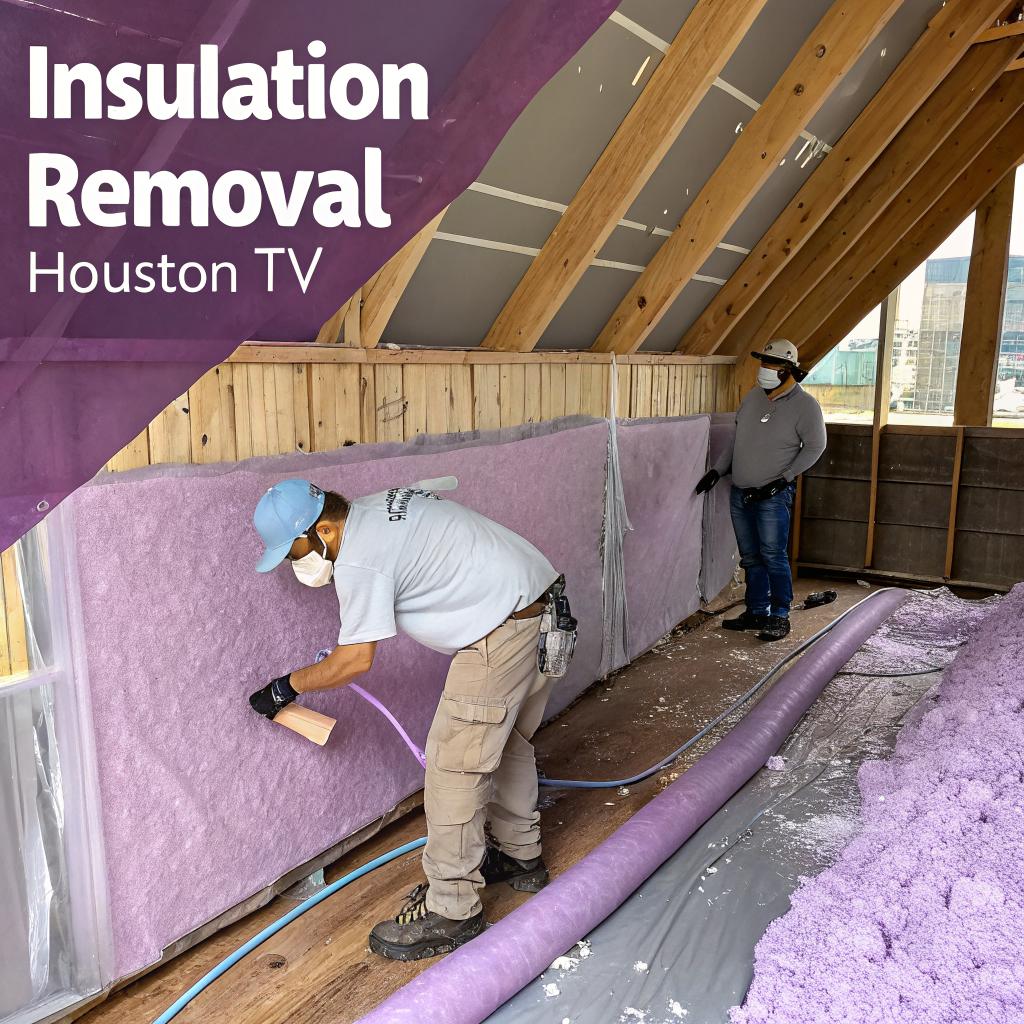
What if I told you that attic insulation removal in Houston can now take a few hours, with almost no dust drifting into the living room, instead of two long days of sweaty, itchy chaos?
The short answer is that new vacuums, better cameras, smarter planning software, and quieter safety gear have changed how pros handle insulation removal Houston TX. It used to be a messy, mostly guesswork job with bags and shovels. Today, many companies treat it more like a controlled technical project: measure, scan, extract, verify, then prep for new insulation. Same basic goal, very different process.
That is the surface story. Once you look closer, it connects to something bigger: how we keep going back to old problems, like heat and noise and dust, and slowly layer on new tools. For a site about nostalgia, evolution, and technology, insulation removal might sound boring at first. But the shift from itchy fiberglass cleanouts to camera-guided vac systems says a lot about how everyday work changes with tech, often quietly in the background while we focus on phones and AI.
From shovels and trash bags to hoses and sensors
If you talk to someone who worked insulation jobs in Houston in the 1990s, they will probably describe three things: dust, guesswork, and more dust.
Here is roughly how it used to go:
- Someone realized the house was hot, noisy, or full of odd odors.
- A contractor crawled into the attic with a flashlight and a mask if they remembered one.
- They shoveled loose insulation into big bags, dragged them out by hand, and tried not to fall through the ceiling.
There was skill in it, yes, but not much help from technology. No data about how even the removal was. No real way to see behind knee walls or into tight corners. Plenty of guesswork about air leaks and moisture.
Now compare that to a modern crew that leans on tools from other fields: shop vacs turned into truck vacs, cameras that started in consumer tech, and software that looks like something from logistics.
The biggest shift has been from “remove what we see” to “map, measure, and verify what we remove.”
This does not mean every contractor in Houston works like a lab. Some still do things the old way. But the direction is clear: more tech, more planning, less blind effort.
What actually changed in the attic
The first visible change was the vacuum system. Instead of filling bag after bag by hand, crews began using large trailer or truck mounted vacs with long hoses.
Here is a simple comparison that shows how the work has evolved:
| Step | Old approach | Tech supported approach |
|---|---|---|
| Inspection | Flashlight, quick crawl, rough guess | High lumen LEDs, phone photos, sometimes thermal camera |
| Planning | No real plan, just start shoveling | Marked areas, estimated volume, attic sketch or app |
| Removal | Shovels, rakes, trash bags | Vacuum hoses, filters, sealed collection bags |
| Quality check | Quick look around | Photos, sometimes video, thickness checks, moisture reading |
| Home impact | Dust drifting into rooms, lingering smell | Barrier at access hatch, negative pressure, targeted cleanup |
It sounds simple on paper, but it changes the experience for both the homeowner and the crew. Less lifting, more control, more information. And a lot less guesswork when the house has some history, which many Houston houses do.
For a site that likes nostalgia, there is something almost funny here: the tools feel new, but the reason is the same as 50 years ago. Summer is hot, roofs bake, and people want their homes to feel calm.
Why Houston pushed tech into insulation work faster
Houston is not an average climate. The heat, the humidity, the storms, the weird cold snaps that show up every few winters. All of that adds stress to roofs and attics.
So insulation removal in this city had a few extra problems that invited tech sooner than in mild climates.
Moisture, mold, and the eye you cannot trust
Years ago, the typical attic check relied on smell and sight. If something smelled musty, maybe there was mold. If someone saw dark stains on decking, maybe there was a leak. That kind of inspection is quick, but not very reliable.
Now you will often see:
- Moisture meters pressed into wood and drywall to see how deep water reached.
- Thermal cameras that show cooler spots where damp insulation holds water.
- Endoscope style cameras snaked into tight bays and behind obstacles.
When you can actually see moisture patterns and voids, you stop guessing which insulation to remove and start knowing.
In Houston, after a storm or a slow roof leak, that difference matters a lot. Tech helps avoid tearing out too much while still getting the damaged material that can hold mold spores. It is more clinical than the old nose-and-flashlight method, even if it still ends up with a worker sweating in the attic.
Heat, energy bills, and the rise of “before and after” data
Older removal jobs rarely had proof of impact. A homeowner might feel a slight change, or maybe it was just the power company adjusting rates. It was guesswork.
Now you see more of this:
- Pre and post infrared images of the attic floor and ceiling lines.
- Basic airflow tests, such as checking how vents move air before and after.
- Comparisons of expected R value before removal and planned R value after new insulation.
These are not perfect science, but they turn “This should help” into “Here is how the attic looked, and here is how it looks now.” It is still a simple home service, yet the mindset is closer to a home energy audit.
If you like the history of tech, you can trace this back to cheaper sensors, cheaper cameras, and phone apps that can store and share results. A lot of this would have felt too heavy for a few hundred dollars worth of attic work twenty years ago. Now it feels normal.
The tech behind removal: vacs, cameras, and quiet gear
Insulation removal in Houston today feels like a small intersection of several tech paths: cleaning gear, sensors, and even a bit of consumer gadget culture.
Vacuum systems that act like a controlled storm
The main character of modern removal is the big vac. It is not glamorous, but it changed the pace and safety of the work.
A typical setup:
- A powerful vacuum unit on a trailer or truck outside the home.
- Thick hose running from the vac to the attic access.
- Filters and collection bags designed to capture fine dust and fibers.
The crew works the hose across the attic floor and cavities, the material shoots through the hose, and the dust stays outside the living area as much as possible.
In Houston, where older homes can have inches of loose fill plus patches of batts plus some mystery debris from roof repairs, that level of suction is not just about speed. It is about not stirring up a mini dust storm indoors.
The job moved from “bag, drag, repeat” to “position, vacuum, confirm” which is a bigger change than it sounds when you have 1,500 square feet of attic to clear.
You still need skill. The hose can also pull small wires or damage fragile ductwork if someone is careless. So the tech helped, but it also demanded new training and a more deliberate approach.
Cameras and lights: the attic finally visible
Once affordable digital cameras arrived, and later, decent cameras in every phone, it became harder to excuse bad documentation. Insulation contractors started snapping “before” attic shots as a normal part of their process.
Later, some began using:
- Thermal imaging cameras or phone attachments to find hot spots and missing sections.
- Headlamps and flood lights that turn a dark attic into a visible work area.
- GoPro style cameras to record the whole process for training or liability protection.
From a nostalgia angle, it is odd to think that an area of the home that was almost mythical for some families (the hot, dark, forbidden zone) is now casually recorded on video and stored in the cloud.
The tech here feels small, but it shifts how careful the crew can be. If you can clearly see electrical junction boxes, AC lines, and weak decking, you can work with far more precision. That was not possible with one dim flashlight and a sweaty worker on their stomach.
Quieter safety gear and sensors
Older respirators were uncomfortable, with filters that made breathing harder. Ear protection was clumsy. So workers quietly skipped them.
Modern gear is not perfect, but better:
- Lighter respirators with more advanced filters that handle fine fibers.
- Compact hearing protection that does not block all communication.
- Simple wearable devices in some cases that monitor air quality, especially after a fire or water damage.
This intersects with tech more than it might seem. The same filtration and sensor progress that helped industry and medical fields trickled down to these trades. That means crews can stay in the attic longer and with less long term health risk, which does affect the quality of the work.
Software, scheduling, and the “invisible” tech shift
While the vac hose and cameras are easiest to see, a quieter change happened out of sight. Insulation removal companies in Houston started leaning on the same software wave that changed other home services.
From yellow pages to route planning
In the older model, a crew might do one or two jobs a day, mostly based on rough driving distances and guesswork on how long each project took. Traffic and weather often turned those guesses into headaches.
Then came route planning apps, digital calendars, and shared job notes.
Now, a Houston insulation company can:
- Estimate attic size with online tools and property data before arrival.
- Check weather to avoid scheduling attic work during the worst heat windows.
- Group jobs by area so the vac trailer does not zigzag all over the city.
This sounds like simple admin progress, which it is, but it plays out in real ways inside the attic:
When a crew knows how long they have and what to expect in the attic, they can slow down where it matters instead of rushing through everything.
The technology here is pretty plain: phones, shared notes, cloud storage. Yet it pushes the trade away from the “we will see when we get there” mindset.
Photos, reports, and the house history file
Many homeowners now keep a digital “house file” with inspection reports, photos, and receipts. Insulation removal fits into that pattern.
More contractors offer:
- Photo sets before and after removal.
- Short written notes on what was found: rodent damage, old wiring, bath fans venting into the attic.
- Basic recommendations for future work.
Some go further and tie this into software that tracks equipment use, material volumes removed, and waste disposal. That last part touches on regulation, especially when insulation may hold contaminants like rodent droppings or, in very old homes, asbestos containing materials that require special handling.
The nostalgic twist is that a homeowner in 1985 might remember the attic visit only as “two sweaty guys worked up there all day.” Now, they might have 40 photos and a PDF report in their email. More data, less mystery.
Houston specific challenges that tech helped handle
Not every insulation removal job is the same. Houston brings a mix of climate, building codes, and building styles that pushed the work in some particular directions where tech has helped.
Storms, roof leaks, and rapid response
Tropical storms and heavy rains can soak insulation quickly. The longer wet material stays in place, the higher the chance of mold, sagging ceilings, and hidden rot.
Tech changed the response in a few ways:
- Moisture meters tell crews if the decking or joists are still saturated beneath the insulation.
- Thermal cameras help find pockets of wet material that do not yet show staining.
- High capacity vacs remove wet insulation faster than manual bagging.
This can limit the damage, or at least make the next steps clearer. Instead of guessing whether to remove “most” of the insulation near a leak, pros can target the exact area, verify dryness later, and document the job for insurance.
Rodents, insects, and hidden contamination
Warm attics are attractive to rodents and insects. Old insulation often hides nests, droppings, and insect remains that you do not want sprayed around the house.
Here tech helps by:
- Keeping the removal system closed, so contaminated material goes straight into sealed bags outside.
- Using lights and cameras to check corners and eaves where pests like to travel.
- Adding simple inspection steps for entry points and vents while the attic is exposed.
There is still a very physical side to this work, but the risk to the rest of the home goes down when the process is more controlled and better documented.
How this connects to nostalgia and our view of “old houses”
If you grew up in a house with an attic, you might remember it as a strange, almost secret place. Maybe boxes of old toys, maybe the smell of wood, maybe a sense that this was where the house “kept its history.”
Insulation removal cuts straight through that feeling. It exposes wiring from a past decade, repairs after an old storm, the original roof deck, maybe insulation styles that went out of favor years ago.
Tech as a translator between old and new
The newer tools do something interesting: they help people see that old history more clearly.
- Photos show knob and tube wiring or cloth covered cables that belong to an earlier era.
- Videos capture patched rafters and odd framing from expansions and DIY projects.
- Sensor readings show how an old design copes with modern HVAC loads.
In that sense, tech does not erase the past of the house. It documents it. It gives a record of what was buried under the fluff.
At the same time, it lets the home adapt. Once removal is clean and verified, the attic can receive newer insulation types, radiant barriers, better duct sealing, and ventilation improvements. The structure remains, but the “thermal story” of the house changes.
The emotional side: from “attic fear” to “attic file”
There is also something emotional in the shift. Many homeowners used to avoid knowing what was above the ceiling. “I do not want to know” was a real feeling.
Now, with pictures and data easy to capture, more people feel curious. They ask:
- What did you find up there?
- How old is that wiring?
- Do you think the previous owner tried to do their own upgrades?
The attic becomes part of the home’s story again, not just a hot void.
Some might say tech makes everything cold and numerical. In this little niche, it actually adds more narrative. You see the hasty repair after a storm in 1994. You notice the old duct wrapped in older insulation. You watch that get replaced and documented. Nostalgia does not have to mean keeping the insulation; it can mean understanding what it says about the past of the house.
Where technology might take insulation removal next
We are not at the end of this story. The tools used for insulation work still feel pretty basic compared to what exists in other fields. A few possible paths are already visible.
More precise mapping before anyone climbs a ladder
Right now, many Houston companies still rely on in person visual inspections before removal. You could easily see:
- More use of drone roof inspections to spot suspect areas before stepping into the attic.
- Better use of property data and 3D models to estimate cavity sizes and insulation volumes.
- Shared digital plans where homeowners can see a map of what will be removed and where.
This is not science fiction. The pieces exist. It is mostly a question of cost and habit. People will only go so far for an attic project, which is fair. But smaller, cheaper tools tend to seep into these trades over time.
Smarter vacs and safer handling of special materials
A logical step is vac units that adapt their suction based on what they sense in the hose. Strong pull for loose fill, gentle around wiring or fragile ducts, maybe with alerts when something does not feel right.
Paired with that, better methods for sorting and handling old insulation that might be recyclable in some situations and tightly controlled waste in others.
That might sound like overkill, but cities under climate pressure keep looking for ways to handle building materials more thoughtfully. It would not be surprising if insulation removal had to prove its disposal steps more clearly, which often pushes more tech into the process.
Richer “after” documentation for homeowners
As people get used to smart thermostats, energy dashboards, and connected devices, they might start expecting more from attic work reports too.
Imagine:
- Before and after energy modeling snapshots tied directly to removal and re insulation.
- Thermal images linked to a home app, tracked over time as the roof ages.
- Alerts if certain attic conditions (like humidity levels) creep into risk zones again.
This sounds like a lot for something as plain as insulation, but small data points collected over years can guide when to act again. And it would connect the past work to future choices in a more visible way.
Questions homeowners often ask about insulation removal tech
Q: Do these newer tools just make the job more expensive?
A: Sometimes they add cost, yes, especially when a company uses more advanced cameras or detailed reporting. But they can also save time and reduce errors, which often balances things. In Houston, where heat and moisture problems can get expensive fast, knowing the job was thorough can prevent repeat visits and damage later. It is not always perfect, and some crews might overhype their gear, but in many cases the tech pays off through cleaner results and fewer surprises.
Q: Can I rent a big vac and do removal myself if the tech is that good?
A: You can, at least in theory. Some rental places offer large vac units. The issue is that equipment alone does not replace experience. Knowing where to step, how to avoid wiring, what materials might need special handling, and how to keep dust out of living spaces still comes from practice. The tech helps, but it can also get you into trouble if you misjudge structure or safety. For a small area, DIY might be fine. For a full Houston attic, the risk and effort tend to push people toward pros.
Q: If the process is so measured now, why do some jobs still feel old fashioned?
A: Because not every company adopts the same tools or habits. Some are slower to change, some do not see the value, and some focus on very low bid work that cannot support extra steps. You can tell a lot by the questions a contractor asks during an estimate. If they talk about inspection, photos, moisture, and air sealing in some detail, they are probably using at least some of the newer tech. If they just say “We suck it out and that is it,” the process will feel closer to the past.
Q: Does using more tech always mean the job is better?
A: Not automatically. A fancy camera used poorly is still poor work. There is a sweet spot where tools serve skill instead of replacing judgment. The most reliable jobs usually come from a mix: experienced people using tech to confirm what their eyes and hands already tell them. That mix is what has really changed insulation removal in Houston, and it is still changing.
