

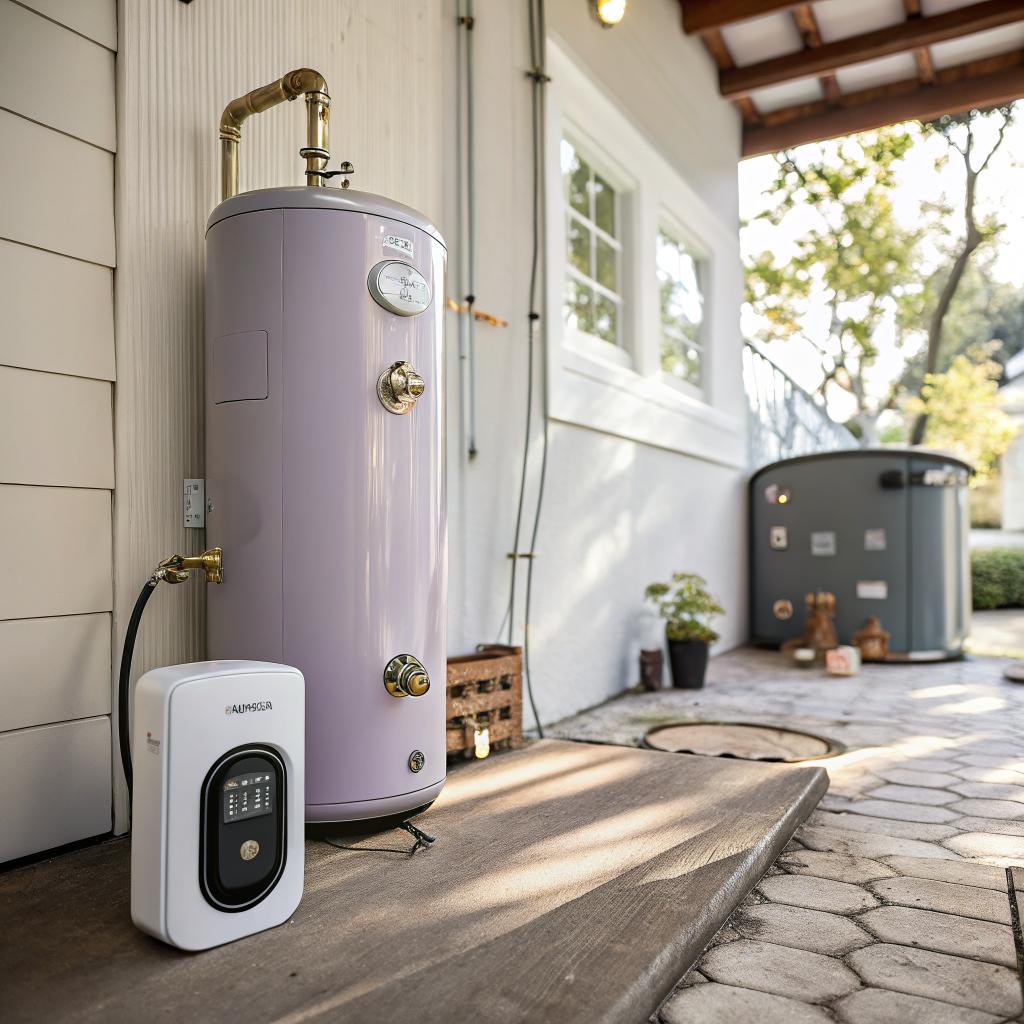
What if I told you that one of the most futuristic upgrades to your home is hiding in the least glamorous room, hooked up to pipes, often covered in dust, and powered by tech that has not really changed much since your grandparents were young?
Here is the short version: if you care about tech history, smart homes, and real comfort, you should treat your water heater as one of your core devices. Pair smart controls with reliable water heater repair Aurora CO, and you turn an old, often ignored machine into a quiet, efficient part of a connected home that still respects its retro roots.
The rest of this piece is about how we got from pilot lights and clunky dials to Wi‑Fi, apps, and data for something as ordinary as hot water. And why this shift feels a bit like watching the story of home technology on fast forward.
You might not think about your water heater until the shower turns cold halfway through. That moment usually feels less like “minimalist living” and more like “why did I ignore that weird noise for two months.” But hidden in that moment is a neat story about nostalgia, evolution, and technology.
From analog knobs to quiet background tech
If you grew up with a basement or garage that smelled faintly of metal and dust, you probably remember older heaters with big mechanical dials. No screen. No app. Just a click, a flame, and a lot of guessing.
Those old units were simple, but they were not dumb. They had:
- Mechanical thermostats that reacted to temperature changes
- Safety valves that cut off gas flow
- Pilot lights that stayed on all the time
To kids who like gadgets, that pilot light almost felt like a small secret engine, always running.
Old water heaters were early examples of “set it and forget it” home tech, even before we had a term for it.
The thing is, most people still treat modern heaters the same way. They install them, set a temperature once, then ignore them for ten years. That mindset is very retro, in both good and bad ways.
Good, because we all like tech that just works.
Bad, because hot water depends on moving parts, minerals in your water, and heating cycles. All of those age. And they fail in the least convenient moments.
Now we live in a time where we can check our door lock from another city, but many of us cannot say how old our water heater is. That mismatch is what makes this shift interesting.
Why hot water feels “uninteresting” until it fails
Most of your favorite nostalgic tech had a personality. CRT TVs glowed. Cassette decks clicked. Game consoles whirred and hummed. You interacted with them.
A water heater is different. No glowing screen. No clear audible feedback, unless it is making a weird rumble, and by then it is usually a bad sign.
Modern smart home culture is full of obvious front stage devices:
- Voice assistants
- Smart speakers
- Color changing lights
- Video doorbells
Hidden devices like water heaters sit in the background. Yet they decide how your morning feels more than any light strip ever will.
You notice a laggy TV. But a cold shower or a dripping ceiling after a tank leak is on a different level. That is more “life is on hold now” than “my Netflix froze.”
So if we are honest, hot water is boring only until the moment it fails. Then it becomes the most urgent tech in the house.
Retro tech habits vs smart home expectations
Smart home expectations changed how we think about devices. We now expect:
- Control from a phone
- Energy use data
- Remote monitoring
- Alerts before something fails
That mindset does not match how most people treat their plumbing or water heaters. There is still a very old pattern:
Wait for something to break, then scramble to fix it as fast and as cheaply as possible.
If you compare that to how we treat other tech, it feels a bit stuck in the past. For phones or laptops we often:
- Check battery health
- Clean storage
- Update software
- Replace before failure
With water heaters, many people just hope the unit will last one more winter. That is a retro habit, and not in a good, vinyl‑records kind of way.
I think there is a middle ground. You can still appreciate the simplicity of older systems, but borrow smart home thinking to monitor and maintain them better. You do not have to install a full blown smart plumbing system to gain some of the benefits.
Bringing “tech thinking” to water heaters
If you look at a water heater less as a mysterious tank and more as a long running device, then certain ideas feel familiar:
| Old tech habit | Water heater equivalent |
|---|---|
| Cleaning dust from console vents | Flushing sediment from the tank |
| Updating firmware | Checking thermostat and controls |
| Replacing a noisy fan | Replacing a failing heating element or anode rod |
| Monitoring battery health | Watching energy use and recovery time |
Once you think of maintenance as the “care routine” for an important device, it stops feeling like a chore and more like basic digital hygiene, just in an analog corner of the house.
You do not need to become a plumber. You just need better signals and a simple plan, like you already have with your phones and computers.
How water heaters evolved from dumb tanks to quiet smart devices
If we zoom out, you can almost treat water heaters as another chapter in the story of home tech.
The very early stage: fire and guesswork
Before tanks, people heated water over fire or on stoves. No thermostat. No storage. Time and attention were the “control system.” That is as manual as it gets.
You could argue this was the most “retro” stage. Heat source, container, and human judgment. Simple, but also wasteful and inconsistent.
The classic tank era
Then came gas and electric storage heaters. Big cylinders, pilot lights, and thermostats. They added:
- Stored hot water on demand
- More stable temperatures
- Basic safety features
This stage feels a bit like the analog hi‑fi era. Dependable. Physical. You could hear clicks, feel warm metal, and see the small inspection window glow on some units.
I think many of us still see water heaters through this lens: “a big metal tank that should last a decade if left alone.”
The quiet jump: better controls and tankless units
Next, controls improved. Electric units gained more accurate thermostats. Gas models added better ignition, venting, and safety systems. Tankless heaters appeared and tried to solve the “run out of hot water” problem by heating only what you need.
This phase is a bit like the move from VHS to DVD. Not as flashy as streaming, but still a real quality step. Some people loved it. Others stayed with what they knew.
The smart stage: sensors, apps, and alerts
Modern heaters, especially higher end models, can now include:
- Built in leak sensors
- Wi‑Fi modules for remote monitoring
- Usage reports
- Integration with smart thermostats or home platforms
Here is where it starts to resemble the smartphone moment for hot water. You can:
- Check the status of your heater from your phone
- Get alerts if there is a leak or an abnormal temperature change
- Adjust temperatures based on time of day or travel
When your water heater can send you a notification before it leaks or fails, you move from reacting like it is 1975 to managing your comfort like it is actually the connected age.
But to get there, you have to care about a tank almost as much as you care about your router. That mental shift is still catching up.
What smart homes expect from water heaters
Smart homes are not just about smart bulbs and speakers. They are about predictable comfort and control.
Here are the main expectations a modern, somewhat tech aware homeowner often has, even if they do not say it out loud:
- Hot water that is ready when you need it
- No surprise cold showers
- No huge spikes on the utility bill
- Minimal risk of leaks and water damage
- Easy control from a phone or central hub
Older heaters can meet some of that, but they usually need help. That is where small upgrades and solid repair work come in.
Little upgrades that bridge retro and smart
If you have an older heater, you do not need to replace it right away to bring it closer to smart home expectations. There are smaller steps that feel almost like putting new firmware on a classic device.
Some examples:
- Smart leak sensors on the floor near the heater
- Smart plugs or switches for some electric units, with careful limits
- External temperature and humidity sensors in the utility room
- Usage logging through whole home energy monitors
These upgrades are not glamorous, but they give you data. And data is what separates guesswork from actual decisions.
You can notice patterns like:
| Pattern | Possible meaning |
|---|---|
| Heater runs unusually long | Sediment buildup, failing element, or insulation issue |
| Random short cycles at night | Thermostat issue or heat loss in plumbing |
| Spikes in run time after a few years | Aging parts, anode rod consumed, or partial failure |
If you grew up watching CRT flicker or modem lights blink as signs of life, this kind of “invisible signal” is not that different. It is just quieter.
Why repair still matters in a “replace everything” culture
Modern consumer tech teaches us a habit: if something misbehaves, consider replacing it entirely. Phones, laptops, even TVs. Replacement often feels easier than extended repair.
Water heaters sit in a different category. They are more like a car than a phone.
Repair vs replacement: a practical view
If your heater is newer and:
- Heats slowly
- Makes new noises
- Produces inconsistent temperatures
then repair is often the reasonable move. Common repair targets:
- Heating elements in electric units
- Gas control valves in gas units
- Thermostats
- Anode rods that protect the tank from corrosion
These parts act a bit like the caps or belts you used to replace in old electronics. Swap them on time, and the device keeps going. Ignore them, and failure climbs up the chain until it hits the whole unit.
If the heater is nearing the end of its typical life, replacement begins to make more sense, especially when paired with an upgrade to a more efficient or smarter unit. But jumping straight to new hardware every time something seems off is usually a waste.
Repair as an extension of smart home thinking
Smart home fans often talk about efficiency and control, but not enough about longevity. If you think about it, real “smart” should also include:
A system that keeps devices healthy for longer, instead of throwing them away at the first sign of trouble.
Scheduled or at least planned water heater repair helps you:
- Extend the life of an expensive appliance
- Avoid sudden, messy failures
- Keep energy use more stable
It also respects something we often like about retro tech: the idea that things can be maintained and repaired, not just tossed out.
The nostalgia angle: why this topic even fits a tech memory blog
At first glance, water heaters do not sound like they belong next to old consoles, tape decks, or 8‑bit computers. There is no startup sound, no iconic design.
But if you look at what nostalgia often reflects, there is actually some overlap.
From manual to automatic to invisible
Many of the stories we tell about old tech follow this pattern:
- First stage: manual work, obvious feedback, visible effort
- Second stage: more features, automated tasks, better comfort
- Third stage: invisible background service, less friction, more reliability
Think about:
| Device type | Early stage | Middle stage | Current stage |
|---|---|---|---|
| Music | Vinyl, cassettes | CDs, MP3 players | Streaming on phones and speakers |
| Computing | Terminals, early PCs | Laptops, GUIs | Cloud, phones, tablets |
| Hot water | Pots on stoves | Mechanical tank heaters | Smart heaters with sensors and apps |
The hot water story is just less glamorous, but it fits the same curve.
We might remember old dials or that humming in the basement without ever thinking of it as “tech.” But it is. It always was.
Why some people resist smart heaters
There is a fair argument here: not everyone wants an app for everything. The idea of your hot water depending on Wi‑Fi can feel a bit wrong.
Some concerns are:
- Fear of overcomplication
- Privacy worries
- Long term support for connected features
- Repair costs on newer systems
Those concerns are not silly. They mirror the same reservations people once had about digital music, smart TVs, even basic home networks.
The nice part is, you do not have to pick a pure side. You can keep a relatively simple heater, but:
- Add just enough sensing for leak alerts
- Use energy monitoring without giving every device its own app
- Pair it with trusted repair work rather than continuous upgrades
That mix respects nostalgia for simple hardware while still using modern tools to prevent the worst failures.
Practical ways to treat your water heater like real tech
If you like the idea of treating this old corner of your home more like a device you care about, here are some clear, grounded steps.
1. Learn three basic facts about your heater
You do not need the full spec sheet. Just know:
- Type: gas, electric, heat pump, or tankless
- Age: check the label or serial number for the manufacture date
- Capacity: usually in gallons
These three details help you judge realistic life span and energy use. Without them, it is hard to make sensible choices about repair vs replacement.
2. Set a simple checkup schedule
You probably already do this for other tech in a casual way. Maybe you clean your keyboard every few months, or sort files yearly.
For a heater, a light routine could be:
- Once a year: visual check for rust, leaks, or stains around the base
- Once a year: test pressure relief valve (carefully or with help)
- Every 1 to 3 years: flush some water from the tank to reduce sediment
You can treat these as your “maintenance patches.” They are not glamorous, but small actions spread out over time.
3. Add at least one simple sensor
If you do not want full connectivity, consider:
- A basic water leak sensor near the heater
- Or a smart leak sensor that sends a phone alert
That single device can save you from waking up to a flooded room. It is not science fiction. It is a small, practical step that fits well in a home that already has Wi‑Fi and at least one smart device.
4. Pay attention to “early failure signals”
Tech almost never fails with no signs at all. Water heaters are the same. Watch for:
- Water that runs out faster than before
- New popping or rumbling sounds from the tank
- Discolored or rusty water, especially from hot taps
- Small puddles or constant damp areas near the base
- Constantly fluctuating water temperature
The earlier you react to these signs, the more likely it is that a repair can save the unit, rather than needing a full replacement.
This is the same logic you already apply to other devices. You do not ignore a phone that swells or a laptop that makes a burning smell.
5. Match your tech comfort level with your heater choice
If you eventually replace your heater, pick a level of “smartness” that suits your personality.
A few rough profiles:
| Profile | Good match | Notes |
|---|---|---|
| Retro purist | Simple tank heater, no Wi‑Fi, minimal electronics | Pair with good maintenance and maybe external sensors |
| Balanced user | Standard modern heater with better controls, optional smart add ons | Focus on reliability, simple interfaces, clear manuals |
| Smart home fan | High efficiency or heat pump heater with built in connectivity | Integrates with wider home automation and detailed monitoring |
You do not need to jump to the most connected option just because it exists. A smart home still feels smart if some devices stay quiet and simple, as long as they are looked after.
How this all changes daily comfort more than you might expect
It is easy to treat all this as theory. So it may help to walk through two small, real feeling scenarios.
Scenario 1: Cold shower nostalgia you never asked for
A family in an older house has a 12 year old gas tank heater. It worked fine for years. Lately, showers run cold faster. There is a faint banging sound from the basement. They ignore it, partly out of habit, partly out of cost worries.
One winter morning, the burner fails completely. No hot water. They scramble to find help, all while juggling work and school. Repair is tricky because parts are old and the tank is rusted. Now replacement is urgent, not planned. Costs rise, stress piles up.
None of that feels nostalgic. It just feels preventable.
Scenario 2: Quiet upgrade path
Same house, similar heater, but a few different choices:
- They place a small leak sensor near the heater one year
- They flush a bit of water from the tank each year
- They pay attention when the heater noises change
When hot water starts running out faster, they treat it like a tech glitch, not a mystery. They call for a check while the unit still mostly works. Some parts are replaced. The heater lasts a few more years.
When it clearly nears end of life, they schedule a replacement on their terms. They pick a model that fits their smart home comfort level and budget. No emergency, no surprise bills above what they expected.
The difference is not magic. It is just treating the heater as a real device in the home, not an invisible utility.
Where nostalgia, tech, and plumbing quietly meet
If you read about old devices, you probably enjoy seeing the line between simple machines and complex modern systems. Water heaters live on that same line. They just rarely get the spotlight.
Maybe the most honest way to look at them is this:
They started as simple mechanical helpers, turned into reliable background machines, and now stand at the edge of becoming measurable and connected, just like everything else in the house.
You do not have to love apps on appliances. But if you love the story of technology, it is hard to ignore how something as plain as hot water fits into that story.
And if you enjoy keeping classic gear alive, tuning a record player, or cleaning a mechanical keyboard, then giving your water heater a bit of structured attention is not that different. It is just less visible.
You might even find a small pleasure in knowing that your comfort, first thing in the morning and last thing at night, depends on a mix of old and new tech quietly working together. That is not flashy. But it is real.
Common questions people quietly ask about water heaters and smart homes
Q: Do I really need a smart water heater for a modern home?
A: No. You need a reliable heater that fits your home and your usage. Smart features are an option, not a requirement. They help with monitoring and control, but good installation and regular repair matter more than Wi‑Fi.
Q: Is repair worth it, or should I just replace the whole unit?
A: It depends on age, damage, and how often it has failed. If your heater is under 8 to 10 years old and the tank is still sound, repair is often the better move. Past that, especially with corrosion or frequent issues, planning a replacement can save money and stress.
Q: How does any of this relate to nostalgia and tech history?
A: The water heater story mirrors a lot of tech progress: from manual work to mechanical automation, to smarter, more connected systems. The difference is that heaters stayed in the background, while other devices took center stage. Seeing that pattern in such an ordinary appliance is part of understanding how technology quietly shapes daily life, even where you rarely look.
