

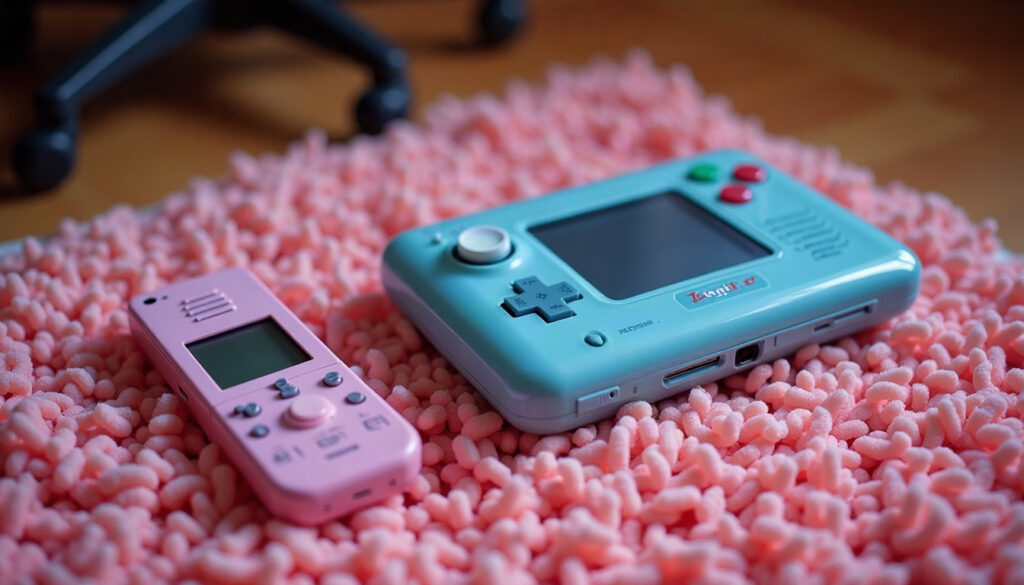
Squeak. Scrape. Thunk. That’s a rolling chair fighting its way across shag carpet to a beige tower, right before the modem starts screaming. If you grew up with a computer room, you can hear it right now.
Fast-forward. The tower is a slim laptop these days, but the spare room still matters. When someone types lvp flooring installation in Denver into a search box, they’re usually staring at a bare room and picturing a desk, a monitor and a chair that actually rolls. Same room, new upgrades. Let’s rank what changed.
The computer room had one rule: mind the cables
Then
The computer room was usually a spare bedroom or a corner of the den, and the floor was usually carpet. Shag, if the house had a sense of humor. The beige tower sat under the desk, humming like a fridge, with cables snaking across the floor to a CRT monitor that weighed about as much as a toddler. Cable management meant a strip of tape and a lot of optimism.
That chair? Pure resistance training. Squeak, drag, stall. And one sock-shuffle later, you touched the tower and got zapped. Free power-up, zero fun. Not every gamer got stuck in that room, though. The handheld went everywhere, from the back seat to the bus stop.
Retro vault
The original Game Boy was a gray handheld with a small greenish screen, and it ran on four AA batteries. It earned a reputation for shrugging off drops, which helped, because it lived in backpacks and car seats.
Now
Today the computer room is a home office, and the floor finally gets some respect. A rolling chair needs a surface that lets it roll. A desk, a monitor arm and a pile of gear need a floor that stays flat under them. That’s a big reason luxury vinyl plank, usually shortened to LVP, shows up in so many remodels. It’s a layered, plank-style floor that can look like wood and is made for everyday foot traffic.
Planks aren’t all equal, though. Thickness, the wear layer on top and the way the planks lock together vary by product, so ask what you’re actually getting. Ask how the installer checks the subfloor, too. A good one wants it flat, clean and dry before a single plank goes down, because the floor can only be as good as the base under it. And if the room needs new outlets for all that gear, that’s a job for a licensed electrician, not a weekend project.
Every step came with a sound effect
Then
Old houses talked. The hallway creaked on the way to the kitchen, the stairs complained, and a boss fight on the couch earned you a thump from the ceiling below. Carpet muffled a lot of that, which is why gamers loved it more than they admitted.
Here’s my ranking of what carpet did best in the candybar years. Number three: it cushioned dropped controllers. Number two: it swallowed the stomp of a rage-quit. Number one: it hid a lost cartridge until moving day. The candybar phone in your pocket got the same treatment, thudding onto the rug instead of cracking on tile.
Retro vault
Snake came preloaded on many candybar phones. It ran on a tiny monochrome screen and was steered with the number keys. It needed no download, no account and no signal, which is how it ate so many bus rides.
Now
The modern office has a different noise problem. Nobody’s stomping, but you’re on video calls in a headset, and a bare hard floor can bounce sound around the room. A pad under the planks can take the edge off, and so can a rug where the chair lives. Some plank products come with a pad attached and some need a separate underlayment, so it’s worth asking which one you’re getting.
If the office sits above another room, say so. Footsteps and chair wheels travel through floors, and a good installer will talk through the options instead of guessing. A few questions to bring along:
- Does the plank include an attached pad, or does it need a separate underlayment?
- How will the new floor meet the hallway, and what trim covers the gap?
- What happens at the doorway and along the baseboards?
- What should be moved out of the room before work starts?
Game over used to mean soda on the carpet
Then
Marathon sessions ran on snacks. Pizza, chips, a two-liter of something fizzy balanced on the arm of a beanbag. Then, tip. Fizz everywhere. You grabbed paper towels, scrubbed, and hid the evidence by sliding the beanbag over the spot. Classic strategy. Zero long-term planning.
Meanwhile the flip phone lived on the floor near the charger, snapping open for a quick call about dinner. Snap. Call over. Back to the game. The room took a beating, and the carpet wore every bit of it: stains, flattened paths, a permanent dent from the desk. We called it character. The carpet called it a lost cause.
Now
Today’s game-and-work room still sees snacks, coffee and the occasional tipped mug. The difference is that flooring has moved on. Plenty of vinyl plank styles are built to shrug off spills far better than carpet could, though the details vary, so ask about moisture resistance and the wear layer before you choose. Checking a sample in your own room’s light helps, too.
A few habits protect any floor. Felt pads go under furniture feet, a chair mat or soft casters go where the chair lives, and a mat goes by the entry for wet shoes. Snowy winters make that last one worth the floor space. Pick a plank color you can live with for a while, because trends in this room change fast. (Just ask anyone who once owned translucent purple everything.)
What we kept, what we lost
| Then | Now |
|---|---|
| Beige tower humming under the desk | Slim laptop or compact desktop |
| Cables snaking across the carpet | Wireless gear and tidy cable routes |
| Shag that grabbed chair wheels | Planks that let a chair roll |
| Stomps heard through the whole house | Pads and rugs that soften the sound |
| Soda hidden under a beanbag | Spills wiped up the same day |
We kept the spare room that turns into whatever we’re obsessed with this year. We lost the static zaps, the cable jungle and the thump from downstairs. The beanbag stain, thankfully, left with the carpet.
Hit save
The old computer room got one thing right: it was a space built around what you loved, even if the floor fought you. Keep that. Then give the space a base that works with it. Measure the room, decide where the desk and the chair will live, and ask a local installer to talk through the subfloor, the transitions and the sound before you commit to a color. Your future self, mid-boss-fight on a quiet floor, will say thanks. Game on.
